
Seasonal blogging offers exciting opportunities to attract readers who are actively searching for holiday inspiration, decorating ideas, recipes, fashion trends, and special occasion tips. However, publishing seasonal content is only part of the strategy. To reach the right audience on Pinterest, you need to understand what people search for, which keywords they use, and when their interest begins to increase. Effective Pinterest keyword research helps seasonal bloggers create content that matches real search behavior instead of relying on guesswork. It also makes it easier to plan blog posts, design relevant pins, optimize descriptions, and attract consistent traffic during important times of the year. Whether you publish Christmas decorating tutorials, Thanksgiving recipes, spring garden inspiration, or summer lifestyle content, the following 15 keyword research tips will help you discover valuable search phrases, organize your content calendar, and build a stronger Pinterest SEO strategy throughout every season.
1. Start Researching Seasonal Keywords Early

One of the biggest mistakes seasonal bloggers make is waiting until a holiday or event is approaching before researching keywords. Pinterest users often search for inspiration weeks or even months before they need it. Christmas decorating searches, for example, can become popular well before December, while spring gardening interest may increase during winter. Start researching seasonal topics at least two to three months before the expected publishing period. This gives you time to identify relevant phrases, prepare useful blog content, create attractive pins, and allow Pinterest to discover your material. An early research schedule also helps you avoid last-minute competition and gives your seasonal posts more time to gain visibility.
2. Use Pinterest Search Suggestions

Pinterest’s search bar is one of the simplest tools for discovering keywords that reflect what users actually want. Enter a broad seasonal phrase such as Christmas decor, summer outfits, or fall recipes and observe the suggested searches that appear. These suggestions can reveal more specific search intentions, including Christmas mantel decorating ideas, casual summer outfits for women, and easy fall dinner recipes. Record useful suggestions in a spreadsheet and group them by topic. Instead of targeting only broad phrases, use these longer search terms to develop focused articles and pin descriptions. Search suggestions are especially helpful when you want to understand how people naturally describe seasonal ideas.
3. Explore Pinterest Guided Search Topics
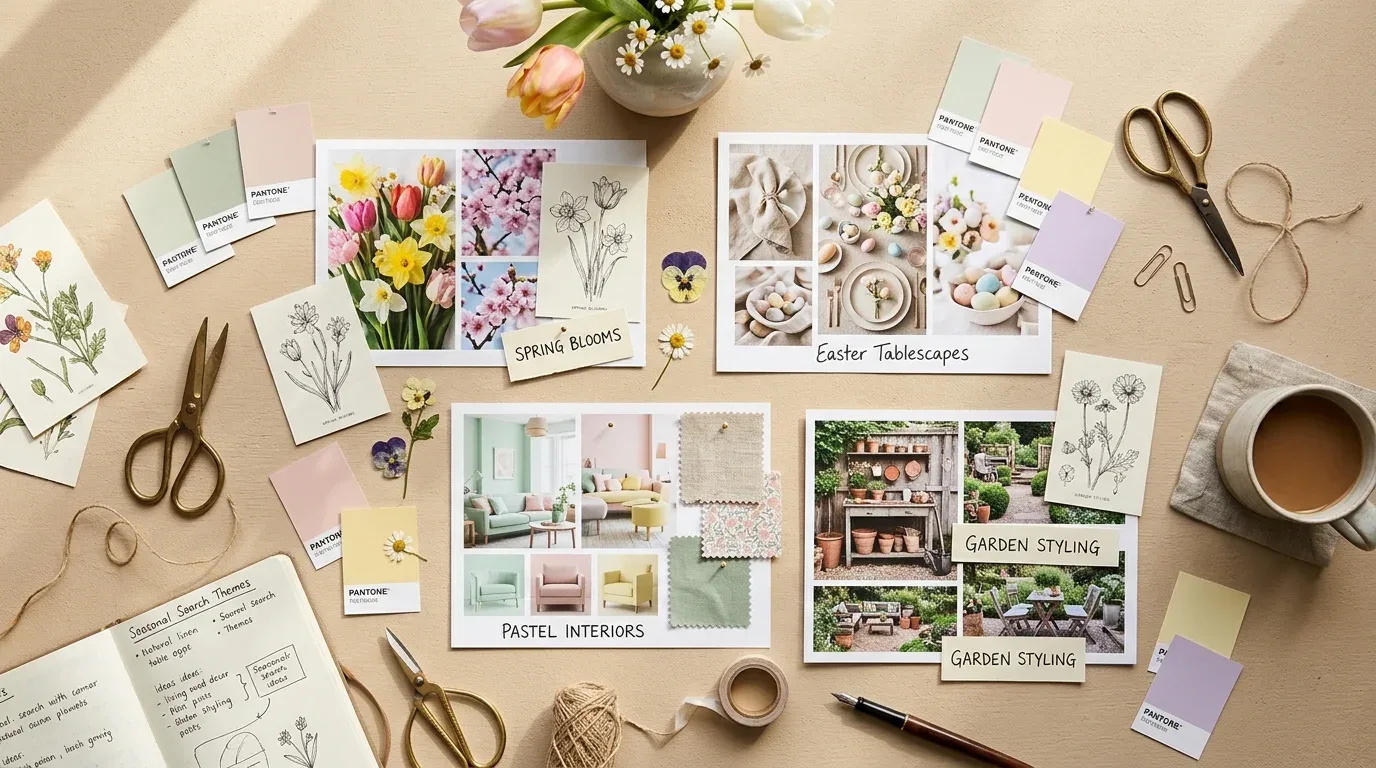
After searching for a seasonal topic, pay attention to the additional keyword bubbles and related search refinements Pinterest displays. These guided search topics can help you discover subcategories that may not have appeared in your original search. For example, searching for spring home decor might reveal related themes such as pastel decorations, floral arrangements, Easter centerpieces, and fresh living room styling. Each related phrase represents a potential direction for your content strategy. Explore several combinations and save the most relevant terms. This approach helps seasonal bloggers move beyond general keywords and identify specific subjects that can become individual blog posts or supporting sections.
4. Focus on Long-Tail Seasonal Keywords

Long-tail keywords are specific search phrases that usually contain several words and communicate a clearer intention. Instead of targeting a competitive term like Christmas decorations, consider phrases such as small apartment Christmas decorating ideas or budget-friendly outdoor Christmas lights. These detailed searches help you create content that directly addresses a particular reader’s needs. Long-tail keywords can also make your Pinterest pins more descriptive and relevant. A seasonal blogger might develop separate articles for small kitchens, farmhouse interiors, handmade ornaments, and minimalist holiday styling. Although individual long-tail phrases may attract smaller audiences, targeting several relevant searches can help build meaningful traffic across an entire season.
5. Study Competitor Pinterest Boards

Successful Pinterest accounts within your niche can provide useful clues about seasonal keyword opportunities. Search for established bloggers who regularly publish content similar to yours and examine their public boards, board titles, pin descriptions, and recurring topics. Look for descriptive phrases that appear naturally across multiple pins. For example, a home decor blogger might notice boards focused on cozy winter bedrooms, neutral Christmas decorations, or outdoor fall decorating. Do not simply copy another creator’s wording or strategy. Instead, use competitor research to identify missing topics, discover useful keyword variations, and understand how successful accounts organize their seasonal content. This can help you find opportunities to create more specific and valuable resources.
6. Research Keywords Using Pinterest Trends

Pinterest Trends is a valuable resource for understanding how search interest changes throughout the year. Where available, it allows creators to explore keyword popularity over time and compare related search terms. Use it to investigate topics such as Thanksgiving table decor, summer garden ideas, winter fashion, and Valentine’s Day crafts. Pay attention to when interest begins increasing, when it reaches its peak, and how different phrases perform against one another. This information can help you prioritize content with stronger seasonal potential. Remember that search interest is not the same as guaranteed blog traffic, so combine trend information with relevance, competition research, and your audience’s needs.
7. Identify Different Keyword Variations

People do not always describe the same seasonal idea using identical words. One Pinterest user might search for cozy fall living room decor, while another prefers autumn home decorating ideas. Both searches may communicate similar interests, but using variations helps your content connect with a wider range of relevant searches. Create a list of alternative words, related expressions, and regional spelling differences. Consider terms such as fall and autumn, cozy and comfortable, or decor and decoration. Include natural variations in your article headings, pin titles, descriptions, and supporting paragraphs where appropriate. Avoid repeating every variation unnaturally. The goal is to make your content comprehensive and easy for both readers and Pinterest to understand.
8. Match Keywords With Search Intent

Keyword research becomes more effective when you understand what Pinterest users expect to find after entering a particular search phrase. Someone searching for Christmas gift wrapping ideas probably wants visual inspiration and practical examples, while someone searching for how to make homemade Christmas ornaments may need step-by-step instructions. These are different search intentions and should guide the type of article you publish. Before selecting a keyword, examine the pins appearing in its search results and identify their common formats and subjects. Then create content that satisfies the same underlying need while offering something useful or distinctive. Matching search intent improves relevance and helps readers find exactly what they are looking for.
9. Build a Seasonal Keyword Spreadsheet

Keeping keyword research organized makes seasonal blogging much easier, particularly when you publish content across several categories. Create a spreadsheet with columns for primary keywords, secondary keywords, seasonal topics, estimated search interest, target publishing dates, and article status. You can also include the corresponding Pinterest board and pin URLs once content is published. For example, a Christmas section might contain Christmas kitchen decor, DIY Christmas centerpieces, festive bedroom decorations, and outdoor holiday lighting. Grouping these phrases makes it easier to identify related articles and avoid repeatedly targeting the same search intent. Review your spreadsheet regularly and update it as you discover new opportunities or seasonal trends.
10. Discover Keywords Through Pinterest Analytics

If you have a Pinterest business account, Pinterest Analytics can help you understand how your existing content performs. Review your top-performing pins, impressions, saves, outbound clicks, and available audience insights. Look for patterns in the wording, subjects, and seasonal themes associated with successful content. If several pins about small Christmas living rooms attract attention, for instance, you might explore related topics such as compact holiday tree styling or space-saving Christmas decorations. Your existing performance data can reveal opportunities that general keyword research might overlook. Use these insights to refine future articles and create additional pins that serve the same audience without simply duplicating existing content.
11. Combine Seasonal and Evergreen Keywords

Seasonal keywords can generate valuable traffic during particular periods, but evergreen keywords remain relevant throughout the year. Combining both can help bloggers create content with longer-lasting potential. For example, an article about cozy winter bedroom ideas might also naturally address bedroom lighting, comfortable bedding, neutral color palettes, and small bedroom decorating. These broader themes can remain useful after winter ends. Similarly, a Christmas recipe article might include evergreen baking techniques or general holiday entertaining advice. Choose one clear primary keyword and incorporate closely related evergreen phrases where they genuinely support the topic. This balanced approach helps you build a content library that is not entirely dependent on short seasonal traffic windows.
12. Research Keywords for Specific Audiences

Broad seasonal keywords can attract many different people, but specific audience-focused searches often reveal more useful content opportunities. Think about the readers you want to reach and the challenges they experience during different seasons. For example, instead of targeting only Christmas decor ideas, explore Christmas decorating ideas for small apartments, simple holiday decorations for beginners, or elegant Christmas decor for neutral interiors. These phrases communicate a clearer audience need and make it easier to develop focused articles. Audience-specific keyword research is especially valuable for lifestyle, fashion, home improvement, food, and DIY blogs. When your content reflects real reader circumstances, it becomes more practical, relevant, and shareable.
13. Use Google Search to Expand Pinterest Keyword Ideas

Although Pinterest should remain your main platform for Pinterest SEO research, Google can provide additional keyword inspiration. Search for your primary seasonal topic and examine autocomplete suggestions, related searches, and relevant question-based results. These features may reveal useful phrases that Pinterest users also search for, although search behavior differs between platforms. For instance, researching winter home organization might uncover questions about storing seasonal clothing, organizing small entryways, or preparing closets for colder weather. Add only relevant discoveries to your Pinterest keyword list and validate them through Pinterest search results whenever possible. Using multiple research sources helps you develop more comprehensive seasonal articles and uncover topics that competitors may have overlooked.
14. Optimize Pinterest Board Titles and Descriptions

Keyword research should influence your Pinterest boards as well as your individual pins and blog articles. Create clearly named boards that describe their subjects using natural, relevant search phrases. For example, a board titled Cozy Winter Home Decor communicates its purpose more effectively than a vague name such as My Favorite Ideas. Write a short board description that explains the type of inspiration users can expect to discover. Include a few closely related keywords without turning the description into a list of repeated phrases. Organize seasonal pins into appropriate boards so that your account has a clear content structure. Well-organized boards make it easier for visitors to explore related ideas and discover your seasonal content.
15. Review and Refresh Seasonal Keywords Regularly

Seasonal keyword research should not be a one-time task. Search behavior, popular aesthetics, and audience interests can change from one year to another. Before each seasonal publishing cycle, review older articles, examine current Pinterest search suggestions, and check whether new keyword variations have emerged. An article targeting traditional Christmas decorations might benefit from additional sections covering minimalist styling, sustainable ornaments, or contemporary color combinations if those subjects are relevant to your audience. Refresh outdated examples, improve weak pin titles, and create new creative variations that accurately represent the article. Track your results after publishing so you can learn which keyword groups attract saves and outbound clicks. Consistent reviews help your seasonal content stay useful and competitive.
Conclusion
Successful Pinterest keyword research is about understanding your audience, recognizing seasonal search patterns, and creating content that answers genuine questions. By researching early, exploring Pinterest suggestions, studying competitors, targeting long-tail phrases, and reviewing your analytics, you can develop a stronger strategy for every season. Keep your keywords organized, prioritize search intent, and combine seasonal opportunities with topics that remain useful throughout the year. Most importantly, use keywords naturally rather than forcing them into every sentence. Consistent research and thoughtful content planning can help seasonal bloggers improve Pinterest visibility, attract relevant readers, and build a more sustainable source of organic blog traffic.
Leave a Reply