
Growing a new blog can feel challenging, especially when organic traffic is slow and search engines have not yet started ranking your content. Pinterest offers a valuable opportunity to get your articles discovered by people actively searching for inspiration, tutorials, recommendations, and solutions. Unlike traditional social media platforms, Pinterest works more like a visual search engine, where well-optimized pins can continue attracting visitors long after publication. However, simply creating attractive graphics and publishing them randomly is not enough. You need a clear Pinterest SEO strategy that connects your blog content with relevant search terms and audience interests. From keyword research and board optimization to pin design and performance tracking, small improvements can make a meaningful difference. The following 15 Pinterest SEO tips will help new bloggers build visibility, attract targeted visitors, and create a stronger foundation for long-term blog growth.
1. Research Pinterest Keywords Before Writing Blog Posts

Keyword research should be one of your first steps when developing a Pinterest SEO strategy. Before writing an article, explore what your target audience is already searching for on Pinterest. Enter broad topics into the Pinterest search bar and pay attention to autocomplete suggestions, which can reveal popular search phrases and related interests. For example, a home decor blogger might discover searches such as small bedroom decorating ideas, cozy neutral living rooms, or budget-friendly kitchen updates. These phrases can inspire both article topics and pin descriptions. Focus on keywords that closely match your content rather than choosing broad terms simply because they sound popular. Relevant keywords help Pinterest understand your pins and connect them with people who are more likely to visit your blog.
2. Choose Specific Long-Tail Keywords

New blogs often struggle to compete for broad Pinterest keywords because established creators have already built strong content libraries and engagement histories. Long-tail keywords offer a more practical starting point. Instead of targeting a general phrase such as bedroom decor, consider specific searches like cozy bedroom ideas for small apartments or neutral bedroom decor with natural wood. These detailed phrases communicate a clearer search intention and help you create content that answers a particular question. Use one primary long-tail keyword for each article and incorporate closely related phrases naturally throughout its headings, introduction, and Pinterest descriptions. You can also create multiple relevant pins around different aspects of the same article. This approach helps a new blog reach smaller, more focused audiences while gradually building topical visibility.
3. Optimize Your Pinterest Business Profile

Your Pinterest profile introduces your blog to potential readers, so it should clearly explain what you publish and who your content helps. Start by choosing a recognizable profile name that includes your brand identity and, where appropriate, a relevant keyword. Write a concise bio describing your main topics and naturally incorporate important search phrases. For example, a lifestyle blogger could mention home decorating inspiration, seasonal DIY projects, and practical organization ideas. Upload a professional profile image or recognizable brand logo to create consistency across your online presence. Make sure your website is claimed and that your profile links directly to your blog. A properly optimized profile helps visitors understand your niche and gives Pinterest additional context about the subjects your account covers.
4. Create Keyword-Rich Pinterest Boards

Pinterest boards organize your content into recognizable topics and provide additional opportunities for search visibility. Avoid creating boards with vague names such as My Favorites, Inspiration, or Things I Love when you want to attract search traffic. Instead, use descriptive titles that reflect what people might actually search for. Examples include Modern Kitchen Design Ideas, Small Bedroom Decorating Tips, and Easy Christmas Home Decor. Write a useful description for each board using its primary keyword and a few closely related phrases. Organize your boards around the main categories of your blog so that your account develops a clear topical structure. Save relevant pins to the most appropriate boards rather than placing every pin everywhere. Well-organized boards make your content easier to discover and help visitors explore related articles.
5. Design Vertical Pins for Better Visibility

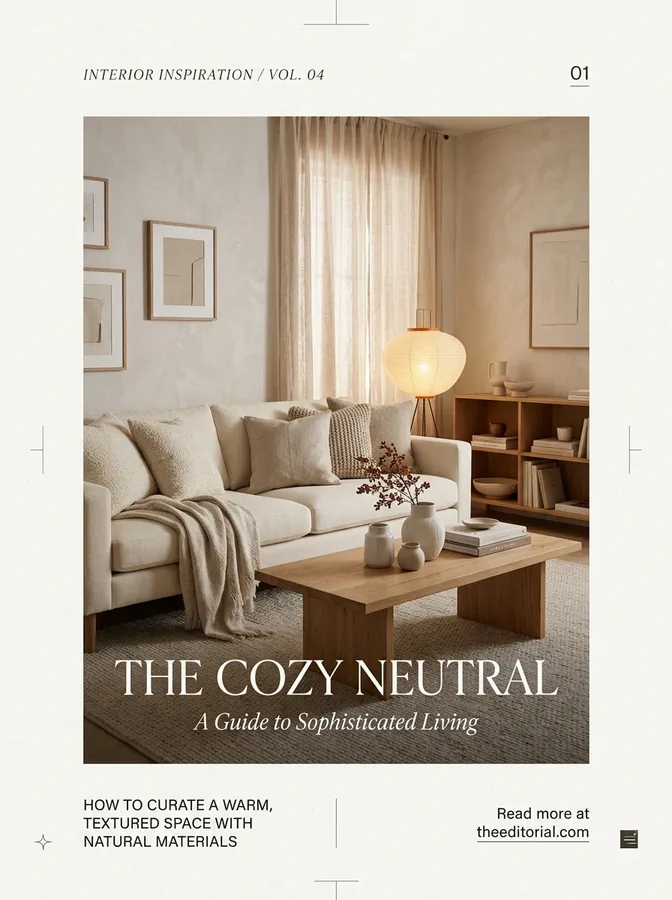
Visual presentation plays an important role in Pinterest marketing because people often decide whether to open a pin based on its appearance. Create vertical graphics that display clearly on mobile devices, with a 2:3 aspect ratio and a commonly used size of 1000 by 1500 pixels. Use a high-quality photograph, readable typography, and a clear headline that communicates the article’s main benefit. Avoid overcrowding the design with too many decorative elements or long blocks of text. A home decor pin might feature an attractive room photograph with a simple headline such as 15 Cozy Bedroom Ideas for Winter. Maintain consistent colors and fonts across your graphics to develop recognizable branding. Attractive, readable designs can encourage more people to stop scrolling and explore your content.
6. Write Descriptive, Keyword-Optimized Pin Titles

A Pinterest pin title should tell users exactly what they will discover after clicking. Instead of using generic phrases such as Beautiful Ideas or Must-See Inspiration, write descriptive titles that include your primary keyword. For example, 15 Small Bathroom Storage Ideas for a Clutter-Free Space communicates the topic and offers a clear benefit. Place the most important phrase near the beginning when it reads naturally. Keep titles concise enough to understand quickly, particularly when displayed on smaller screens. Avoid stuffing several unrelated keywords into one title because this can make your content look unnatural and confusing. Your title should accurately represent the linked article rather than promising information that the page does not contain. Relevant titles help attract the right audience and establish consistency between Pinterest searches and your blog content.
7. Write Natural Pinterest Pin Descriptions

Pin descriptions provide additional context about your content and can help Pinterest understand what a graphic represents. Write a natural description that explains the article’s subject, highlights useful information, and includes your primary keyword along with relevant variations. For instance, a description for a seasonal decorating article might mention cozy winter decor, affordable decorating ideas, warm neutral interiors, and festive home inspiration. Avoid repeating the same phrase excessively just to increase keyword density. Instead, write for people who want to know whether the article is worth opening. A helpful call to action, such as Discover practical decorating ideas or Explore the complete guide, can provide a gentle reason to click. Make every description unique enough to reflect the specific pin and the content it promotes.
8. Publish Multiple Creative Pins for Each Blog Post

One blog article can provide several opportunities to reach different Pinterest searches. Rather than creating only one graphic, design a small collection of genuinely different pins for each important article. Each design can highlight a separate benefit, visual, or subtopic while linking to the same relevant page. For example, an article about small bedroom decorating might have one pin focused on storage solutions, another featuring color combinations, and a third highlighting cozy layout ideas. Change the main photograph, headline, composition, or visual treatment so that each graphic offers a distinct presentation. Write descriptions that accurately match the individual designs. Publishing multiple creative variations allows you to test which visual approaches attract attention without creating duplicate-looking graphics or overwhelming your account with repetitive content.
9. Build a Consistent Pinterest Publishing Schedule

Consistency is more useful than publishing a large number of pins in a short period and then disappearing for weeks. Develop a realistic schedule that fits your blogging workload and allows you to create high-quality content regularly. A new blogger might begin with a manageable number of fresh pins each week and gradually increase publishing as their content library grows. Use Pinterest’s native scheduling features or a suitable scheduling tool to plan posts in advance. Spread your publishing activity across relevant boards and make sure every pin has an appropriate destination. Avoid focusing entirely on daily volume because publishing more graphics does not automatically guarantee more traffic. A sustainable routine gives you time to improve your designs, write stronger descriptions, and monitor which topics generate meaningful engagement.
10. Publish Seasonal Content Before Demand Peaks

Seasonal content can create valuable traffic opportunities for new blogs, particularly in niches such as home decor, fashion, food, and lifestyle. Pinterest users often search for holiday inspiration and seasonal projects before the actual occasion arrives. Plan your content calendar around upcoming events such as Christmas, Thanksgiving, Valentine’s Day, Easter, and summer vacations. Research relevant keywords early, prepare useful articles, and publish your pins well ahead of peak seasonal interest. For example, Christmas table decorating articles should be available before December rather than being published at the last minute. Seasonal content can also remain relevant year after year when it offers timeless advice and updated recommendations. Build a collection of seasonal articles gradually so your blog has multiple opportunities to attract search traffic throughout the calendar year.
11. Make Sure Every Pin Links to the Right Blog Page
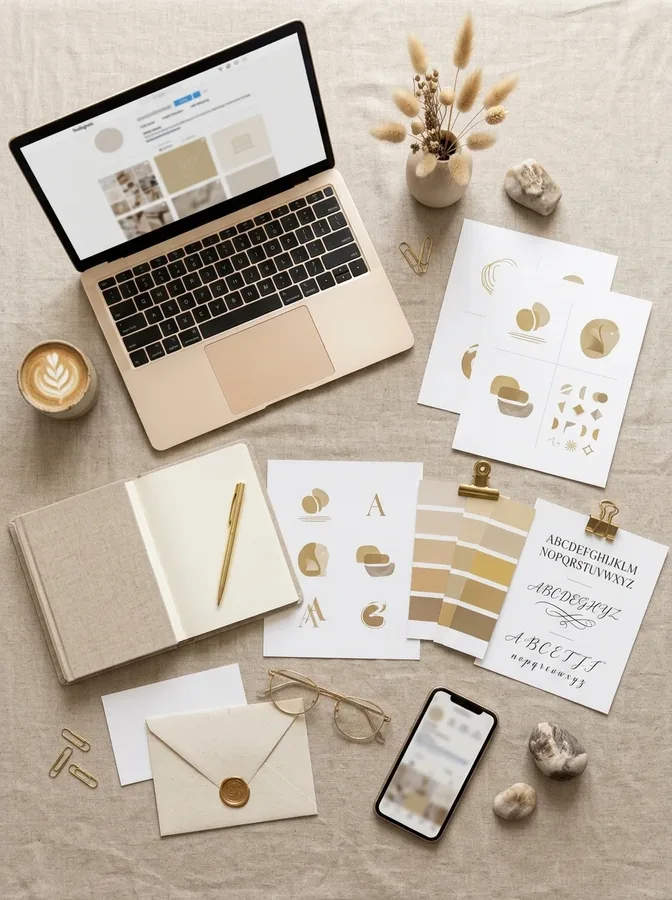
A beautiful pin is only useful for blog growth when it takes visitors to a relevant, functioning page. Always check the destination URL before publishing and make sure the linked article matches the promise made in the graphic and description. Avoid sending every pin to your homepage when a specific article is available. Direct links provide a better visitor experience and make it easier to measure which content attracts clicks. Check that your blog loads properly on mobile devices, images display correctly, and readers can find the information they expected. Pay attention to page speed because slow-loading websites can discourage visitors before they have a chance to read your content. A relevant destination and smooth browsing experience help turn Pinterest discovery into meaningful blog traffic.
12. Organize Your Blog Around Clear Content Categories
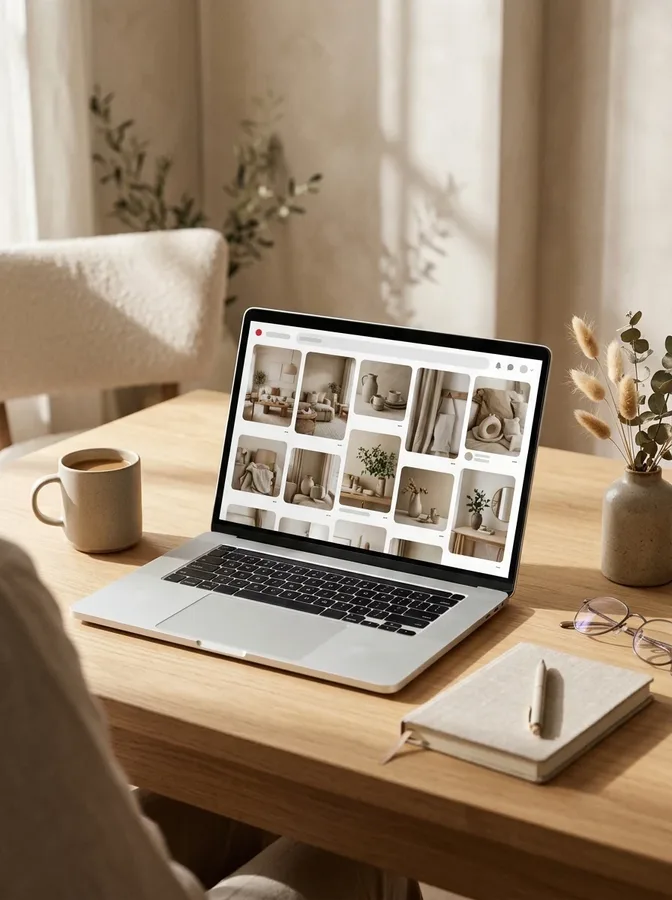
A well-organized blog makes it easier for both readers and search engines to understand your website. Choose a few main categories that represent your niche and publish related articles within those sections. For example, a home and lifestyle blog might include bedroom decor, kitchen inspiration, DIY projects, and seasonal decorating. Pinterest boards can reflect these same categories, creating a consistent relationship between your blog and your Pinterest account. Develop related articles around important subjects instead of publishing disconnected topics simply because they are trending. This strategy helps establish topical relevance and provides more opportunities to link related articles together. Include descriptive category names, clear navigation, and helpful internal links. A focused content structure makes your blog easier to explore and creates a stronger foundation for long-term organic growth.
13. Use Pinterest Analytics to Identify Winning Content
Publishing pins without reviewing their performance makes it difficult to understand what your audience actually likes. Pinterest Analytics can help you evaluate impressions, saves, outbound clicks, and other engagement indicators. Look for patterns rather than judging your strategy from one pin or a few days of activity. If certain topics consistently receive more outbound clicks, consider creating additional useful articles around those subjects. If a graphic receives impressions but few clicks, experiment with a clearer headline, stronger image, or more compelling visual composition. Saves can indicate that users find a pin useful or inspiring, while outbound clicks provide a more direct indication of blog traffic potential. Review your results regularly and use the information to improve future content instead of repeating the same approach without evidence.
14. Improve Your Blog’s Mobile Experience and Loading Speed

Many Pinterest visitors discover content while browsing on smartphones, so your blog should provide a comfortable mobile experience. Choose a responsive WordPress theme, use readable font sizes, and make sure navigation menus are easy to operate on smaller screens. Compress large photographs without sacrificing too much visual quality, and avoid installing unnecessary plugins that could slow down your website. Check that advertisements, pop-ups, and promotional elements do not cover important content or make reading difficult. Your introduction should quickly explain what the article offers, while headings and short paragraphs help visitors find useful information. Test important pages on different screen sizes and fix layout problems whenever you notice them. A faster, easier-to-use website can help reduce frustration and make visitors more likely to explore additional articles.
15. Refresh Your Pinterest Strategy and Update Older Content

Pinterest SEO is not a one-time activity. Search trends, visual preferences, and audience interests can change, so regularly review your existing content and identify opportunities for improvement. Update older articles with more useful information, improved photographs, relevant internal links, and clearer headings. Create fresh pin designs when an article deserves another opportunity to reach a new audience. Review outdated seasonal information and replace broken links or unavailable recommendations. You can also revisit your keyword research to discover more specific search phrases related to successful articles. However, avoid changing content simply to make it look new when no meaningful improvement is needed. Focus on adding genuine value for readers. Consistent maintenance helps preserve the usefulness of your blog and gives your best articles more opportunities to attract Pinterest visitors over time.
Conclusion
Growing a new blog through Pinterest SEO requires patience, consistency, and a clear understanding of what your audience wants to discover. Start with focused keyword research, optimize your profile and boards, and create attractive pins that accurately represent helpful blog content. Build a sustainable publishing routine, plan seasonal articles early, and use Pinterest Analytics to identify opportunities for improvement. Just as importantly, make sure your website offers a fast, mobile-friendly experience that encourages visitors to explore more pages. You do not need to implement all 15 strategies perfectly from the beginning. Start with a few practical improvements, measure your results, and gradually develop a stronger Pinterest marketing system. With useful content and a consistent SEO approach, your new blog can build visibility and attract more targeted organic traffic over time.
Leave a Reply