
Christmas is one of the biggest seasonal opportunities for bloggers, content creators, and online businesses looking to grow their Pinterest traffic. As people start planning holiday decorations, gift guides, festive recipes, DIY crafts, and Christmas celebrations, they turn to Pinterest for inspiration and practical ideas. This creates an excellent opportunity to attract new audiences through well-optimized pins and helpful seasonal content. However, getting consistent organic Pinterest traffic requires more than publishing attractive images. You need a thoughtful SEO strategy that helps Pinterest understand your content and connect it with relevant searches. From choosing the right Christmas keywords to creating engaging pin designs and organizing seasonal boards, small improvements can make a meaningful difference. Whether you run a home decor blog, lifestyle website, food blog, or holiday inspiration account, these 16 Christmas SEO strategies can help you improve your visibility, reach interested users, and generate more organic Pinterest traffic throughout the holiday season.
1. Research Christmas Keywords Before Creating Content
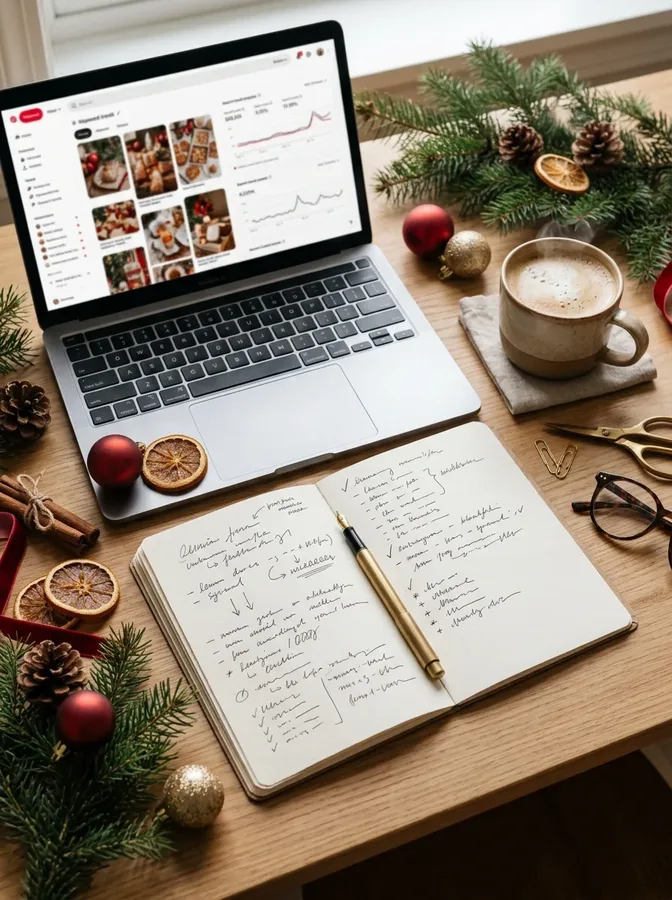
Keyword research is the foundation of a successful Christmas Pinterest SEO strategy. Before writing blog posts or designing pins, discover what people are actually searching for during the holiday season. Focus on specific phrases such as Christmas mantel decorating ideas, budget-friendly Christmas gifts, farmhouse Christmas decorations, and easy holiday appetizers. These long-tail keywords often reveal clearer search intentions than broad terms like Christmas decor. Explore Pinterest’s search suggestions and related search phrases to discover additional keyword opportunities. You can also compare seasonal topics with your existing website content to identify relevant gaps. Build a keyword list organized by topic, search intent, and content type. This makes it easier to create targeted articles and pins that match what Pinterest users want to discover.
2. Use Long-Tail Christmas Keywords in Your Pin Titles
Long-tail keywords help your pins reach people searching for specific Christmas inspiration. Instead of using a general title such as Christmas Ideas, create descriptive titles like 15 Small Living Room Christmas Decorating Ideas or Easy Christmas Cookies for Holiday Parties. Specific wording tells Pinterest what your pin contains and helps potential readers decide whether it matches their interests. Place the main keyword naturally near the beginning of your title whenever possible. Avoid adding unrelated search terms simply to increase keyword coverage. A clear, relevant title is more useful than a collection of popular phrases. Try creating different titles for genuinely distinct pin designs that lead to the same article, while keeping every title accurate and relevant to the destination.
3. Optimize Pinterest Pin Descriptions Naturally
Your pin description provides additional context about the content behind an image. Use it to explain what readers will find when they click through to your website. Include your primary Christmas keyword and a few closely related phrases in natural sentences. For example, a description for a Christmas bedroom article might mention cozy holiday bedding, festive bedroom accents, winter color palettes, and simple seasonal decorating tips. Avoid repeating the same keyword excessively because descriptions should sound helpful rather than automated. Include a compelling reason to visit the linked article, such as discovering affordable decorating ideas or finding an easy holiday project. Well-written descriptions make your content clearer and create a better experience for people browsing Pinterest.

4. Create Fresh Christmas Pin Designs Regularly
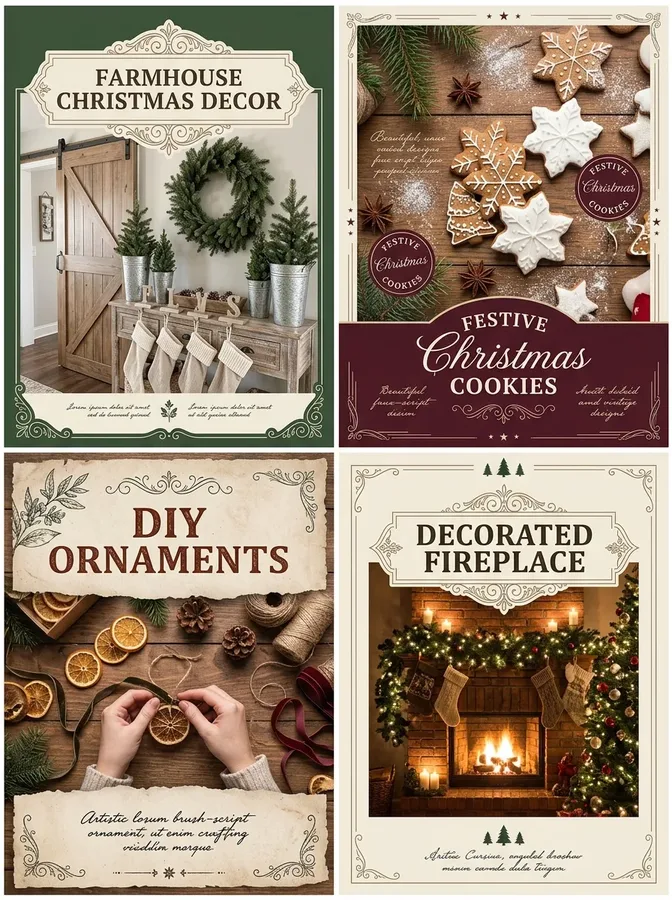
Fresh creative designs give your seasonal content more opportunities to attract attention. Instead of repeatedly publishing an identical image, experiment with different layouts, photographs, headlines, and visual treatments for the same useful article. A Christmas decor post, for example, could have one pin featuring a beautifully decorated mantel and another highlighting affordable holiday decorating tips. Each design should communicate a distinct visual idea while linking to the same relevant destination. Use vertical images with readable text and attractive photography that remains clear on mobile screens. Consistency matters more than publishing a large number of nearly identical pins. Develop a manageable content schedule so your best Christmas articles receive fresh visual promotion throughout the holiday planning season.
5. Optimize Your Pinterest Profile for Christmas Searches
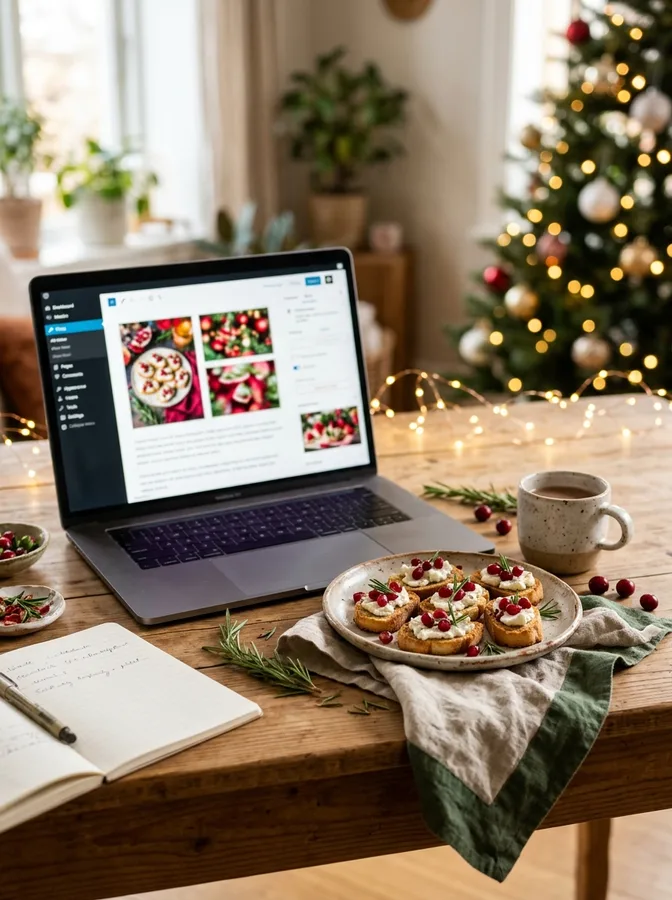
Your Pinterest profile can help communicate your website’s subject and the inspiration people can expect to find on your account. Start with a clear profile name and description that naturally include your main content niche. If you publish Christmas decorating, seasonal recipes, and holiday lifestyle content, mention these topics where they accurately describe your work. Keep your branding consistent across your profile, website, and pin designs. A professional profile photograph or recognizable logo also makes your account easier to identify. Avoid filling your profile description with unrelated keywords. Instead, write a concise introduction that explains how your content helps visitors. An optimized profile gives new visitors a clearer understanding of your account and encourages them to explore relevant boards.

6. Organize Seasonal Content Into Targeted Christmas Boards
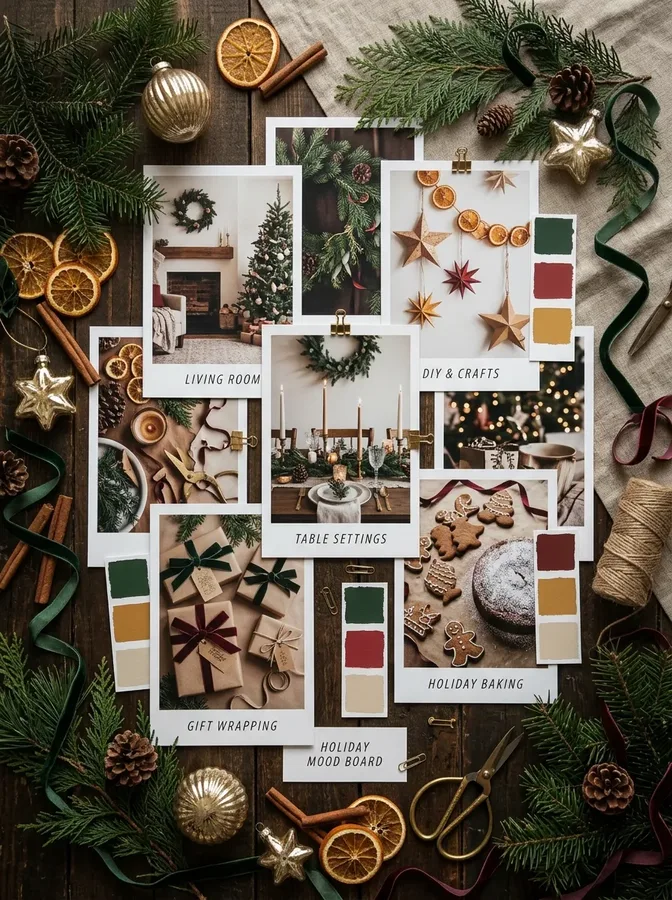
Well-organized boards make it easier for Pinterest users and the platform to understand your content categories. Rather than placing every seasonal pin into one general Christmas board, create focused collections around specific interests. Examples include Christmas Living Room Decor, DIY Christmas Crafts, Holiday Table Settings, Christmas Gift Ideas, and Festive Baking Recipes. Give each board a descriptive title and a useful keyword-rich description. Keep the saved content relevant to the board’s subject instead of mixing unrelated topics. You can also create supporting boards for narrower themes, such as Scandinavian Christmas Decor or Rustic Farmhouse Christmas Ideas. A logical board structure improves navigation and helps visitors discover more of your seasonal inspiration.

7. Publish Christmas Content Before Peak Search Demand
Timing is an important part of seasonal Pinterest SEO. People often begin researching Christmas ideas well before December, especially when planning decorations, shopping, parties, and holiday travel. Publishing content early gives Pinterest more time to discover your pins, understand their topics, and potentially distribute them to relevant audiences. For many Christmas-focused articles, consider preparing and publishing content during September or October, depending on the topic and your audience. Gift guides and party-planning articles may benefit from even earlier publication. Do not wait until Christmas week to introduce your main seasonal content. Create an editorial calendar that accounts for preparation, publication, and ongoing promotion. Early planning helps your articles remain discoverable when holiday searches become more active.

8. Write SEO-Friendly Christmas Blog Post Titles
Your blog post title should reflect a specific search query while making readers curious enough to click. Instead of publishing a vague article called Christmas Inspiration, choose a more descriptive headline such as 18 Cozy Christmas Living Room Ideas for a Festive Home. Include the main keyword naturally and communicate the value readers will receive. Numbers, practical benefits, and descriptive adjectives can make list-based titles more appealing when they accurately represent the article. Keep the headline readable rather than forcing multiple keyword variations into one sentence. Remember that Pinterest titles and website SEO titles can serve slightly different purposes, but both should describe the same content accurately. A consistent topic between the pin and article also creates a better visitor experience.

9. Add Descriptive Alt Text to Christmas Images
Image accessibility is an important part of creating useful website content. Add descriptive alternative text to meaningful Christmas images so visitors using screen readers can understand what the images communicate. For example, an image showing a traditional holiday mantel might use alt text such as Evergreen Christmas garland with gold ornaments and glowing candles decorating a fireplace mantel. Describe the actual visual content rather than inserting a long list of keywords. If an image is purely decorative, its accessibility treatment may be different depending on your website setup. Also, use descriptive image filenames where practical, such as rustic-christmas-table-decor.jpg. Good image descriptions improve accessibility and provide clearer context for your website’s visual content without sacrificing natural writing.

10. Create Multiple Pins for Different Search Intents
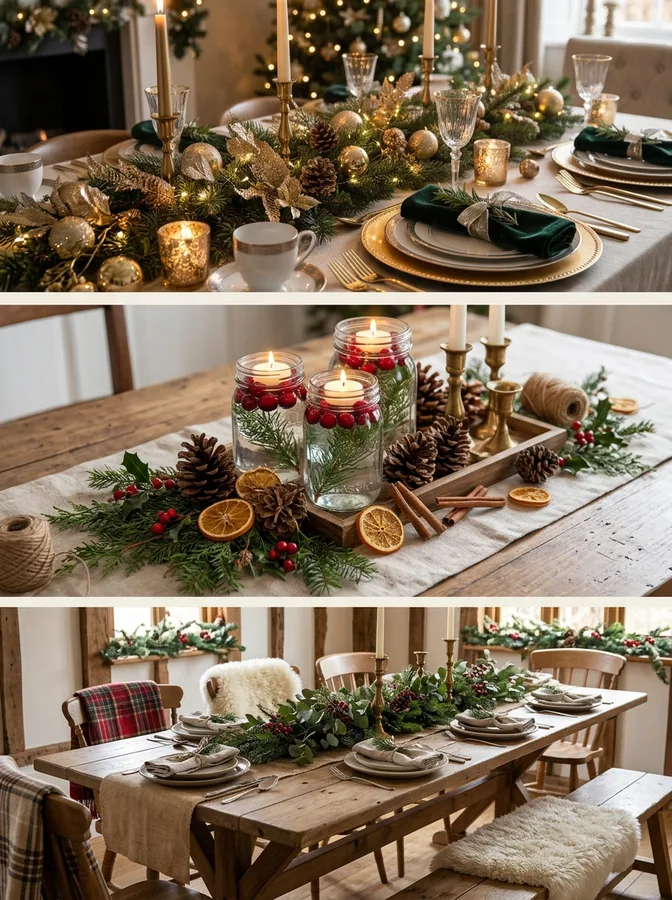
A single Christmas article can attract several audiences when you promote its different useful angles. Consider a post about Christmas table decorations. One pin might target elegant Christmas table settings, another could highlight inexpensive holiday centerpiece ideas, and a third might focus on rustic Christmas dining room inspiration. These variations connect the same article with different relevant searches without requiring you to publish duplicate blog posts. Make sure each pin highlights something genuinely covered in the destination article. Change the visual composition and headline rather than simply rearranging a few words. This approach helps you test which creative angles attract engagement and gives your content more opportunities to appear in searches related to its subject.

11. Use Seasonal Colors and Readable Pin Typography
Visual presentation plays a major role in attracting attention on Pinterest. Christmas content naturally offers a recognizable color palette, including evergreen, burgundy, warm white, champagne gold, and traditional red. Choose colors that complement the subject of your article instead of applying the same template to every pin. Typography should be clear, balanced, and easy to read on smaller screens. Use one prominent headline and avoid overcrowding the design with decorative elements. High-quality photographs, good contrast, and consistent spacing can make your pins look more professional. You can also develop a recognizable visual identity through repeated fonts and subtle branding. Attractive designs should support the content’s message rather than distract from it.
12. Link Every Christmas Pin to a Relevant Blog Post
Relevant destination links are essential for turning Pinterest visibility into useful website traffic. Every pin should lead directly to a page that delivers the information promised by its title and description. For example, a pin about easy Christmas appetizers should link to an article containing appetizer recipes rather than a general homepage. Check that your destination pages load correctly, work on mobile devices, and make the promised content easy to find. Avoid broken links, misleading headlines, or unnecessary redirects. If you create several pins for one article, ensure they all lead to the same appropriate page. A strong connection between the pin and its destination helps visitors trust your content and encourages meaningful engagement with your website.
13. Improve Your Christmas Blog Posts With Internal Links
Internal linking helps visitors discover related content while giving search engines a clearer understanding of your website’s structure. When publishing a Christmas decorating article, link naturally to other relevant posts about holiday centerpieces, Christmas bedroom decor, DIY ornaments, or festive lighting. Use descriptive anchor text that explains what readers will find after clicking. Avoid adding links simply for the sake of increasing their number. Every internal link should provide additional value or answer a related question. You can also create a central Christmas inspiration page that connects your most useful seasonal articles. This makes it easier for visitors to explore your website and gives older posts additional opportunities to receive traffic from newer content.
14. Track Pinterest Analytics to Identify Successful Keywords
Monitoring Pinterest analytics helps you understand which content attracts attention and which pins encourage people to visit your website. Review metrics such as impressions, saves, outbound clicks, and engagement over time. A pin receiving many impressions but relatively few outbound clicks may need a clearer headline or a more compelling visual. Meanwhile, pins generating consistent clicks can reveal useful topics and creative approaches worth exploring further. Compare results across different Christmas keyword groups, board categories, and pin designs. Avoid judging a seasonal campaign based on just a few days of activity because distribution can change over time. Use the information you collect to improve future content instead of repeating strategies that are not producing meaningful results.

15. Refresh Existing Christmas Content Every Season
Older Christmas articles can become valuable traffic sources when you review and improve them before each holiday season. Check whether product recommendations, photographs, links, statistics, and seasonal advice are still accurate. Update outdated information and add useful sections when readers would benefit from additional guidance. You can also create fresh pin designs that highlight updated sections or introduce a different angle from the same article. Keep the original page URL when possible so existing links continue to work. Avoid making superficial changes solely to display a new publication date. Focus on meaningful improvements that make the article more useful. Refreshing existing content allows you to build on previous work instead of constantly starting new articles from scratch.
16. Build a Consistent Christmas Pinterest Publishing Schedule
Consistency helps you maintain an active seasonal content strategy without overwhelming yourself during the busiest months of the year. Create a realistic schedule for publishing new articles, designing fresh pins, and organizing relevant boards. For example, you might prepare several Christmas pins each week and distribute them across suitable topics throughout the season. Prioritize high-quality content and meaningful variations instead of publishing large quantities of repetitive designs. Use a content calendar to track article URLs, target keywords, pin titles, descriptions, and publication dates. Review your performance regularly and adjust the schedule according to the results. A manageable routine makes it easier to maintain your Pinterest presence, promote your best seasonal articles, and build momentum over multiple Christmas seasons.

Conclusion
Growing organic Pinterest traffic during Christmas requires a combination of keyword research, attractive pin designs, useful seasonal content, and consistent optimization. By applying these 16 strategies, you can make your Christmas articles easier to discover and create more opportunities to reach people searching for holiday inspiration. Start by targeting relevant long-tail keywords, publishing content early, organizing your boards, and creating fresh pins that communicate clear benefits. Then use Pinterest analytics to understand what works and improve your approach over time. Remember that sustainable organic growth comes from publishing genuinely helpful content rather than chasing short-lived trends. Plan your seasonal strategy early, stay consistent, and give your best Christmas articles enough time to attract attention and generate valuable website traffic.
Leave a Reply