
A small home does not have to feel cramped. With the right furniture, a little planning, and a few clever habits, even a tiny apartment can feel open, calm, and easy to live in. The trick is not to own less for the sake of it, but to make every piece earn its place.
The ideas below focus on practical changes that work in real homes: furniture that does more than one job, storage that uses walls instead of floors, light that opens a room up, and simple routines that keep clutter from creeping back. Try one or two first, and let the rest follow as your home starts to feel lighter.
1. Choose Furniture That Does More Than One Job
In a small home, every large piece should work hard. A sofa bed gives guests a place to sleep, a storage ottoman hides blankets and chargers, and a bench by the door can hold shoes underneath while offering a seat on top.
Before buying anything new, ask what else it can do. If a piece only serves one purpose and takes up a lot of floor, it may be worth swapping for something smaller, lighter, or more flexible.
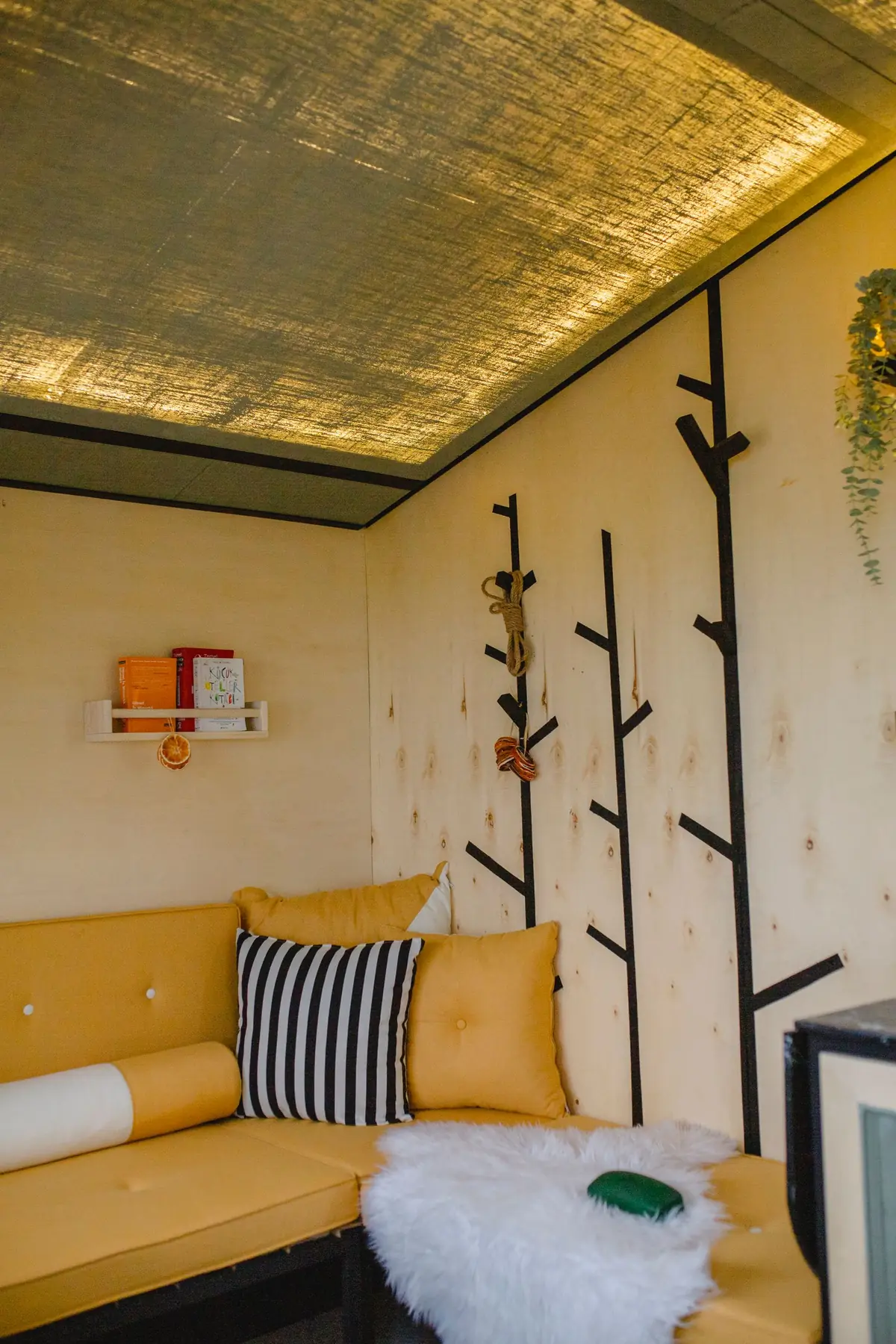
2. Use Light Colours and Mirrors to Open the Room
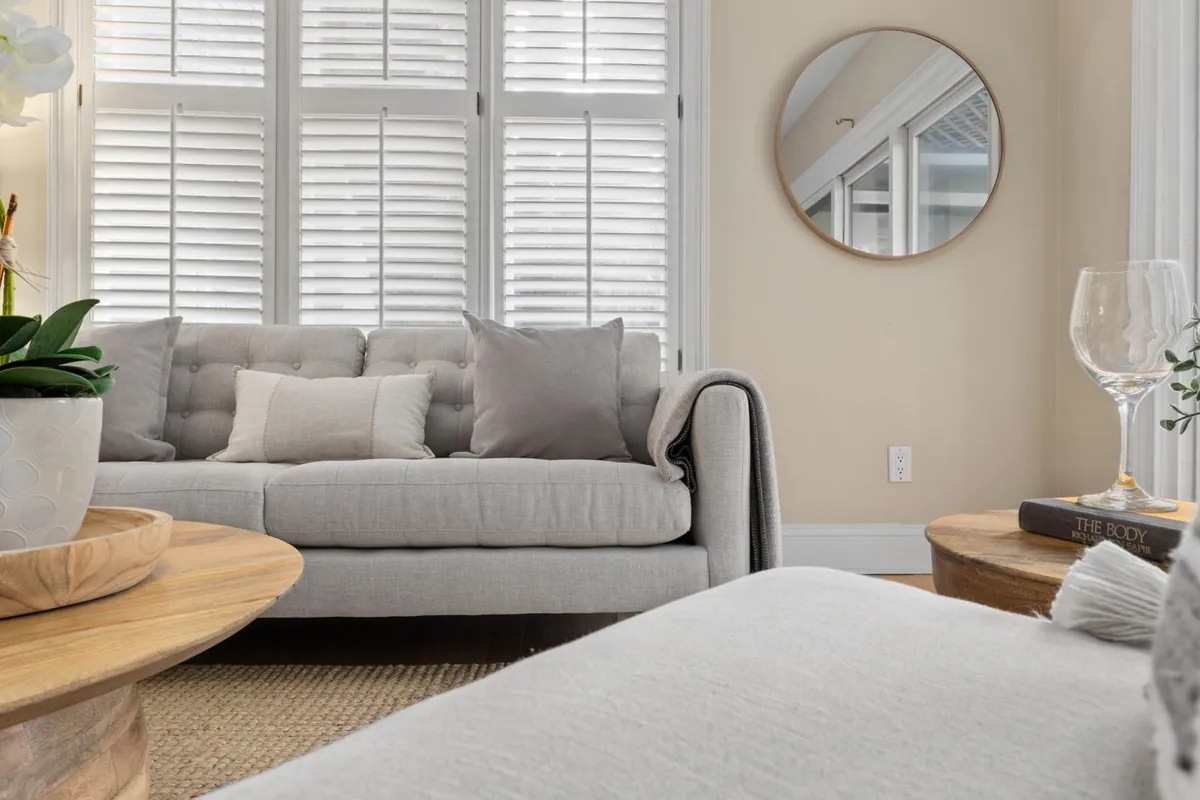
Pale walls, light wood, and soft neutral fabrics reflect daylight and make a room feel wider. A large mirror placed opposite a window doubles that light and gives the eye somewhere to travel, so the room feels less closed in.
Keep the biggest surfaces light, then add colour in small, easy-to-change touches like cushions, art, or a throw. The room will still have personality, but it will not feel weighed down by dark, heavy blocks of colour.
3. Go Vertical with Wall Shelves
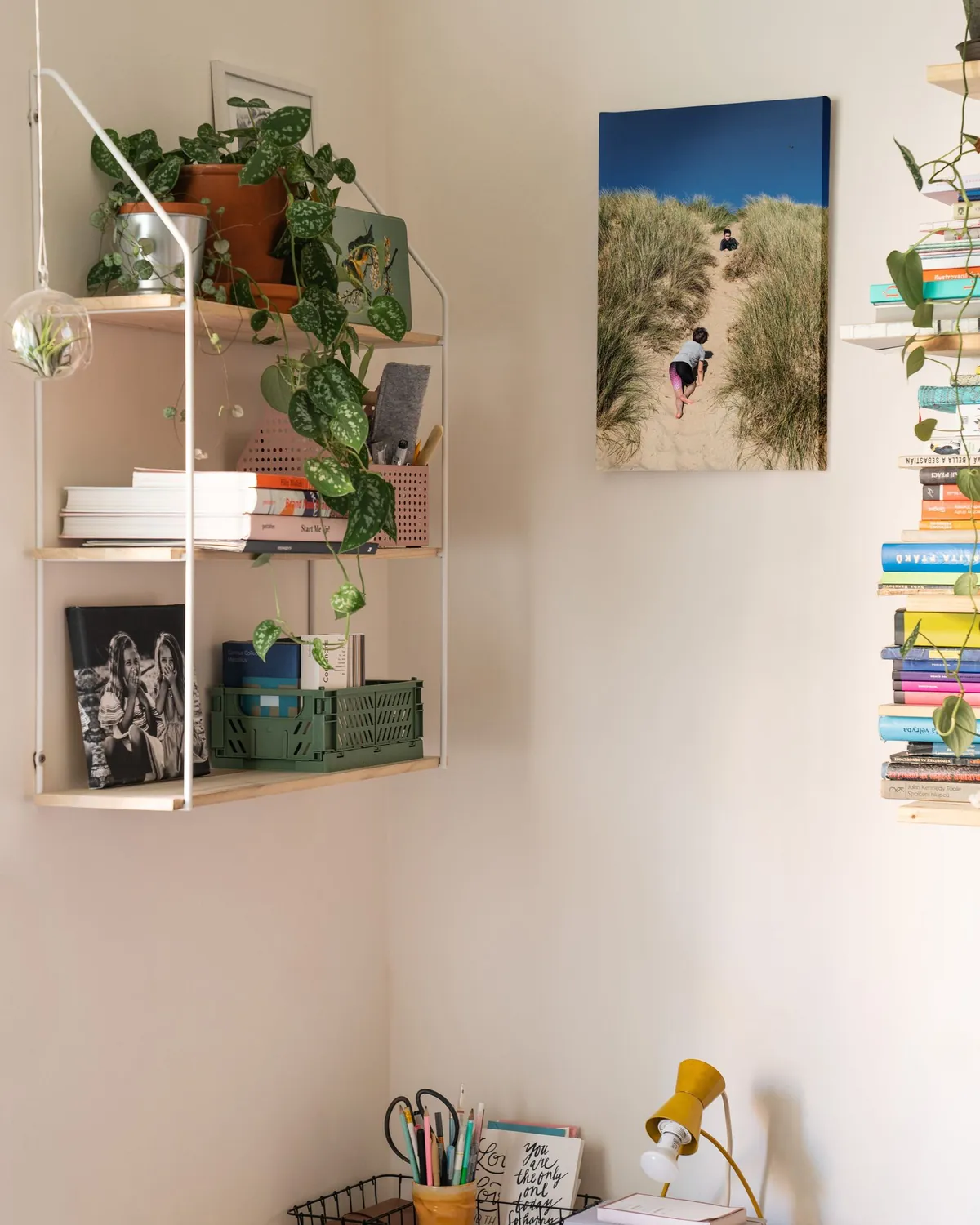
When floor space is tight, the walls are your best friend. Shelves above a desk, beside a bed, or over a doorway turn empty wall space into storage for books, plants, and everyday items, without crowding the floor.
Keep shelves tidy and leave some breathing room between objects. A shelf that is packed edge to edge can feel just as busy as a cluttered floor, so choose a few favourites and store the rest out of sight.
4. Create a Compact Work Corner That Folds Away
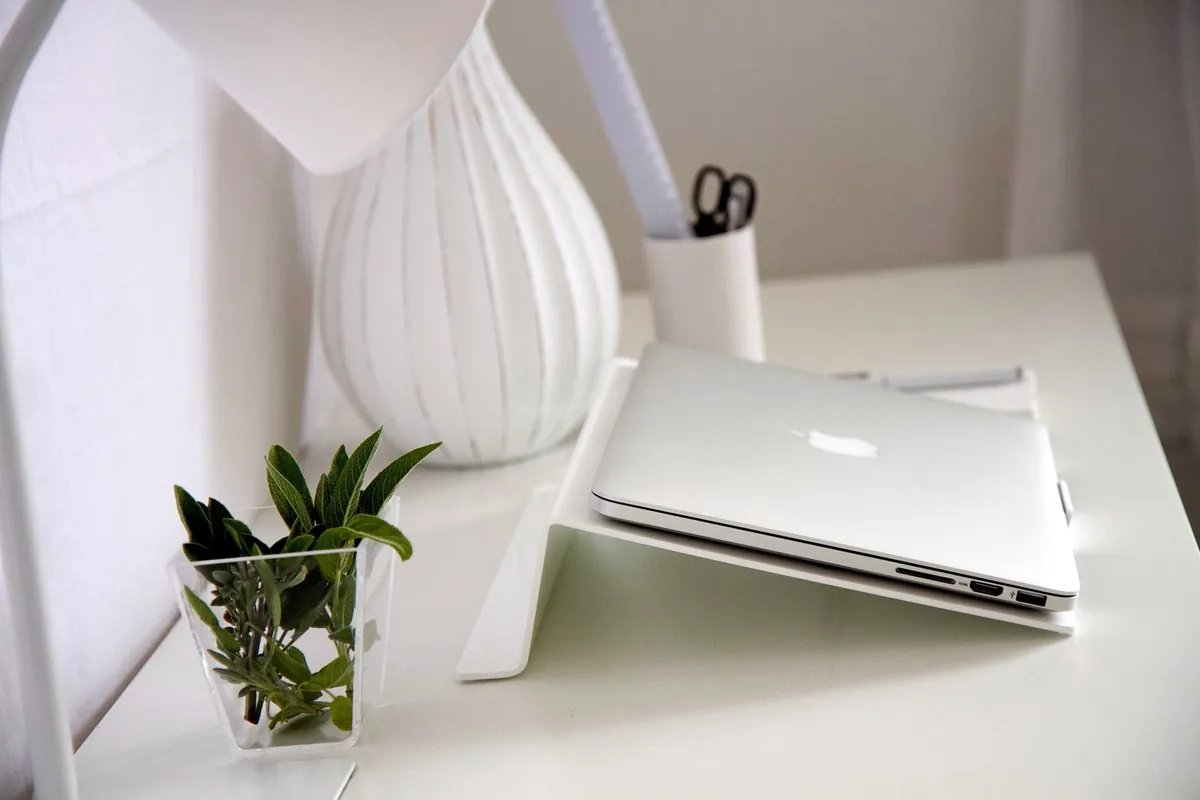
You do not need a separate office to work from home in a small space. A slim desk in a quiet corner, a wall-mounted fold-down table, or even a well-organised tray on a dining table can give you a clear place to focus.
When the workday ends, fold the table down, close the laptop, and clear the surface. That small ritual helps a single room switch from office back to home, which matters a lot when one space does everything.
5. Hide Storage in Plain Sight
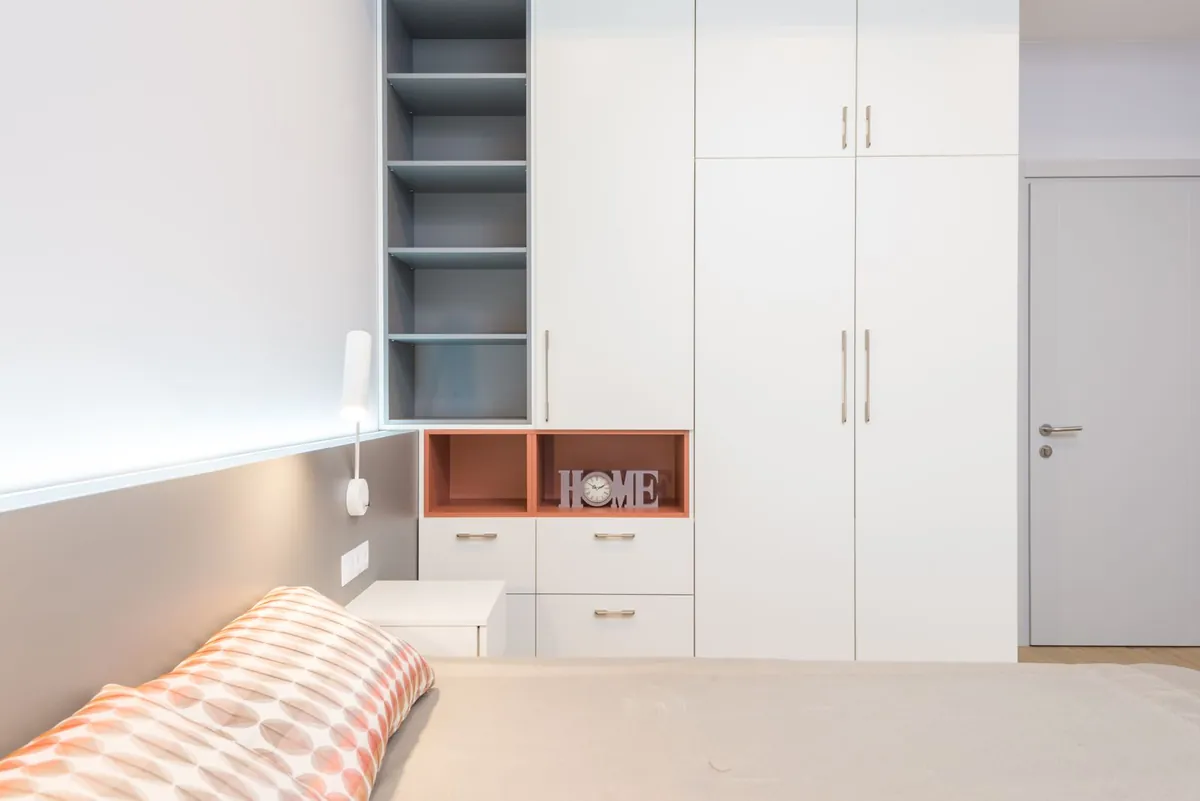
Fitted wardrobes, beds with drawers underneath, and closed cabinets keep everyday clutter out of view. When storage is built in or tucked away, the room looks calmer, even if it holds just as much as before.
Choose closed storage for the messy, everyday things, and open shelves only for items that look good on display. That balance keeps a small bedroom feeling restful rather than busy.
6. Zone an Open Room with Rugs and Layout
In a studio or open-plan apartment, zones matter more than walls. A rug under the sofa marks the living area, a different rug or a change in lighting marks the sleeping area, and furniture placed at a slight angle can separate the two without blocking light.
Keep walkways clear between zones so the home still flows. When each area has a clear job, a small space feels organised and purposeful instead of muddled.
7. Pick Slim, Leggy Furniture and Glass Tops
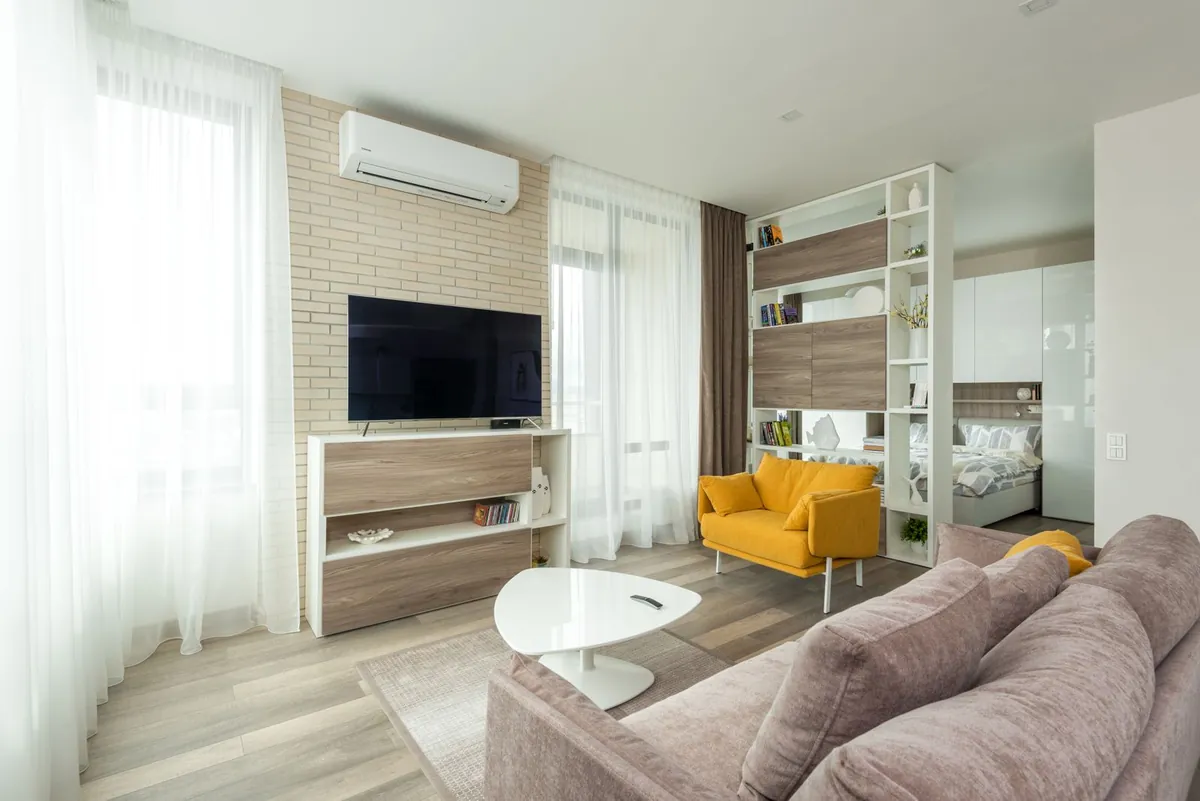
Heavy, boxy furniture can swallow a small room. Slim chairs with visible legs, a narrow console, and a glass coffee table let light and sightlines pass through, so the floor feels more open.
This does not mean everything must be tiny or uncomfortable. Choose one comfortable seat you love, then keep the pieces around it light in shape and scale, so the room can breathe.
8. Keep Dining Compact and Flexible
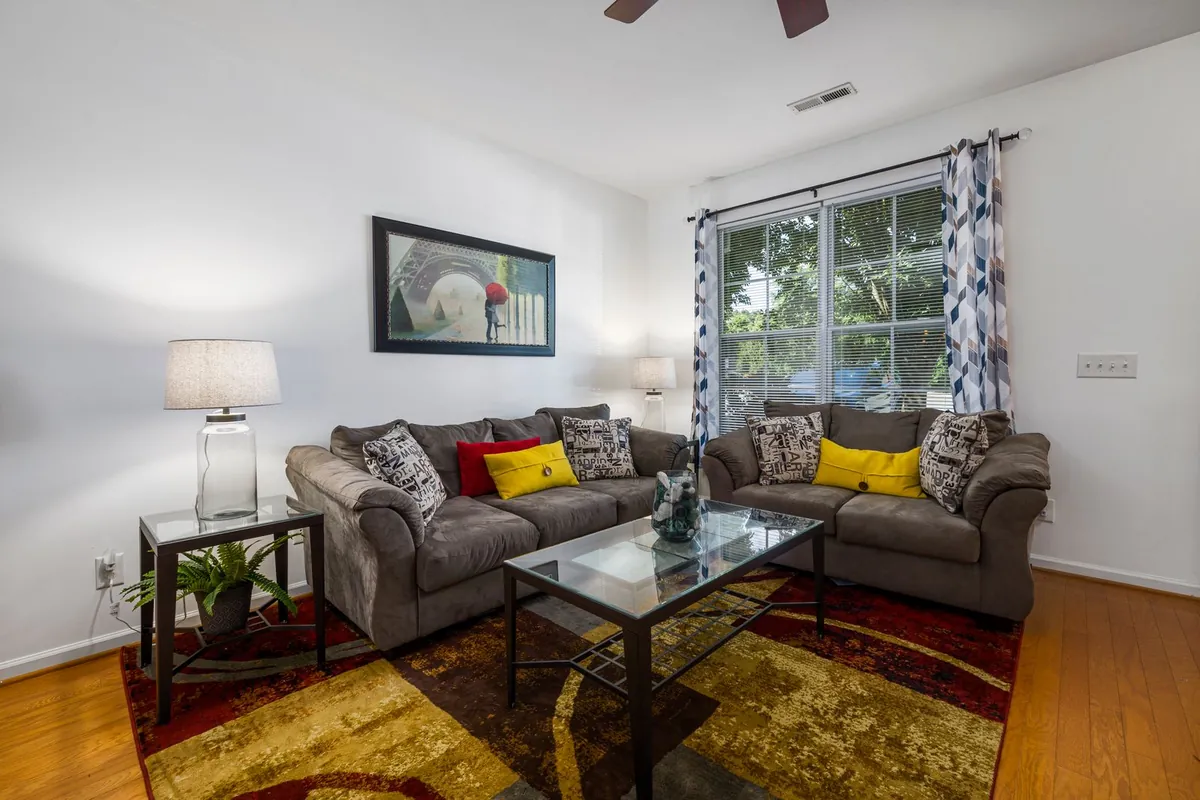
A small round table, a drop-leaf table, or a narrow table against a wall can seat two people every day and stretch for guests when needed. Stackable or folding chairs stored nearby make hosting possible without a permanent dining set.
Place the table near natural light if you can, and keep the centre clear except for one simple item. A dining spot that is easy to use daily is far more useful than a large table that mostly gathers clutter.
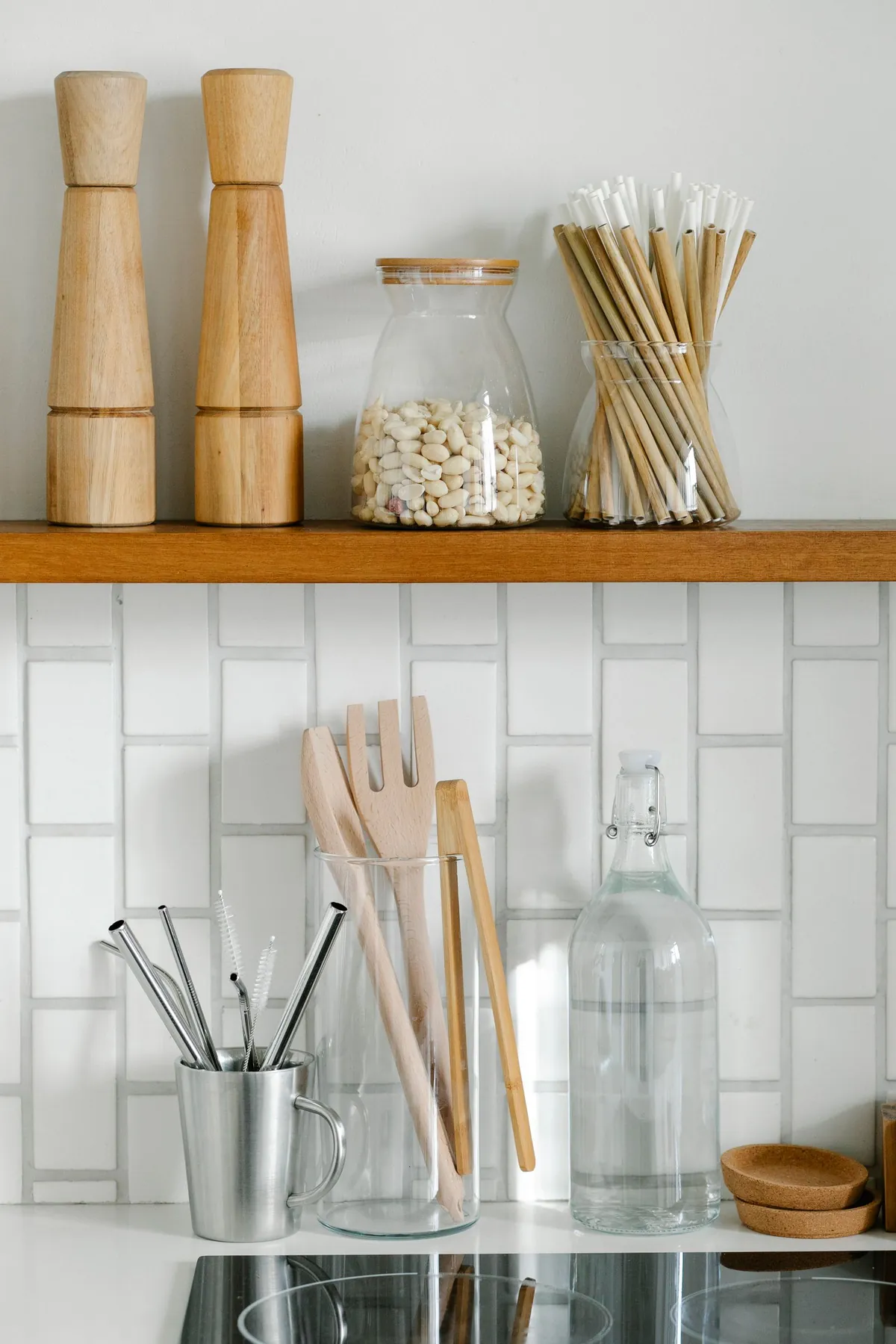
9. Use Open Shelves and Jars in a Small Kitchen
In a small kitchen, open shelves and clear jars make it easy to see what you have, so you buy less twice and waste less space. Group everyday items together, label jars simply, and keep the most-used things within easy reach.
Limit open shelving to one or two runs, and keep the rest behind closed doors. Too much on display can feel chaotic, but a tidy, well-edited shelf can make a compact kitchen feel warm and practical.
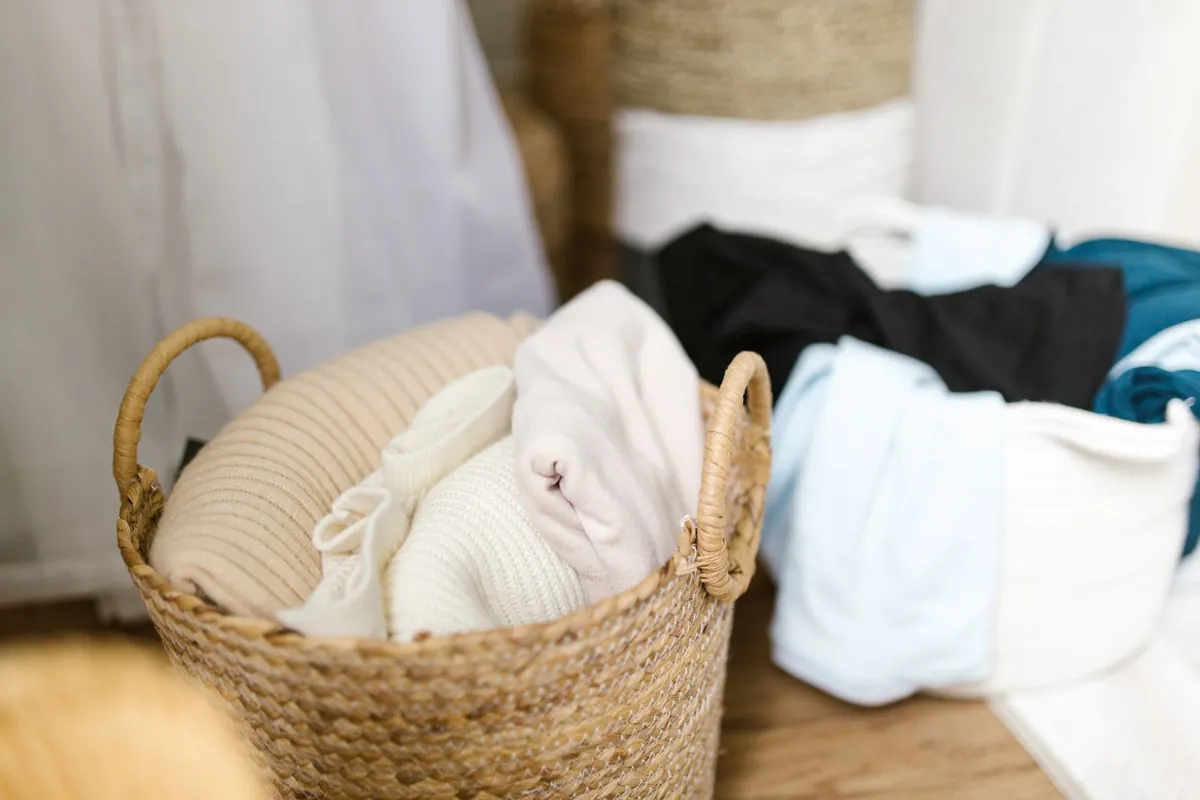
10. Declutter with Baskets and a One-In, One-Out Rule
Baskets are a small-space hero: they corral laundry, toys, chargers, and odds and ends into one neat container that can be moved or tucked away. Choose baskets that fit your shelves, and give each one a clear job.
Pair baskets with a simple rule: when something new comes in, something old goes out. That habit alone stops a small home from slowly filling up, and it makes tidying a five-minute job rather than a weekend project.
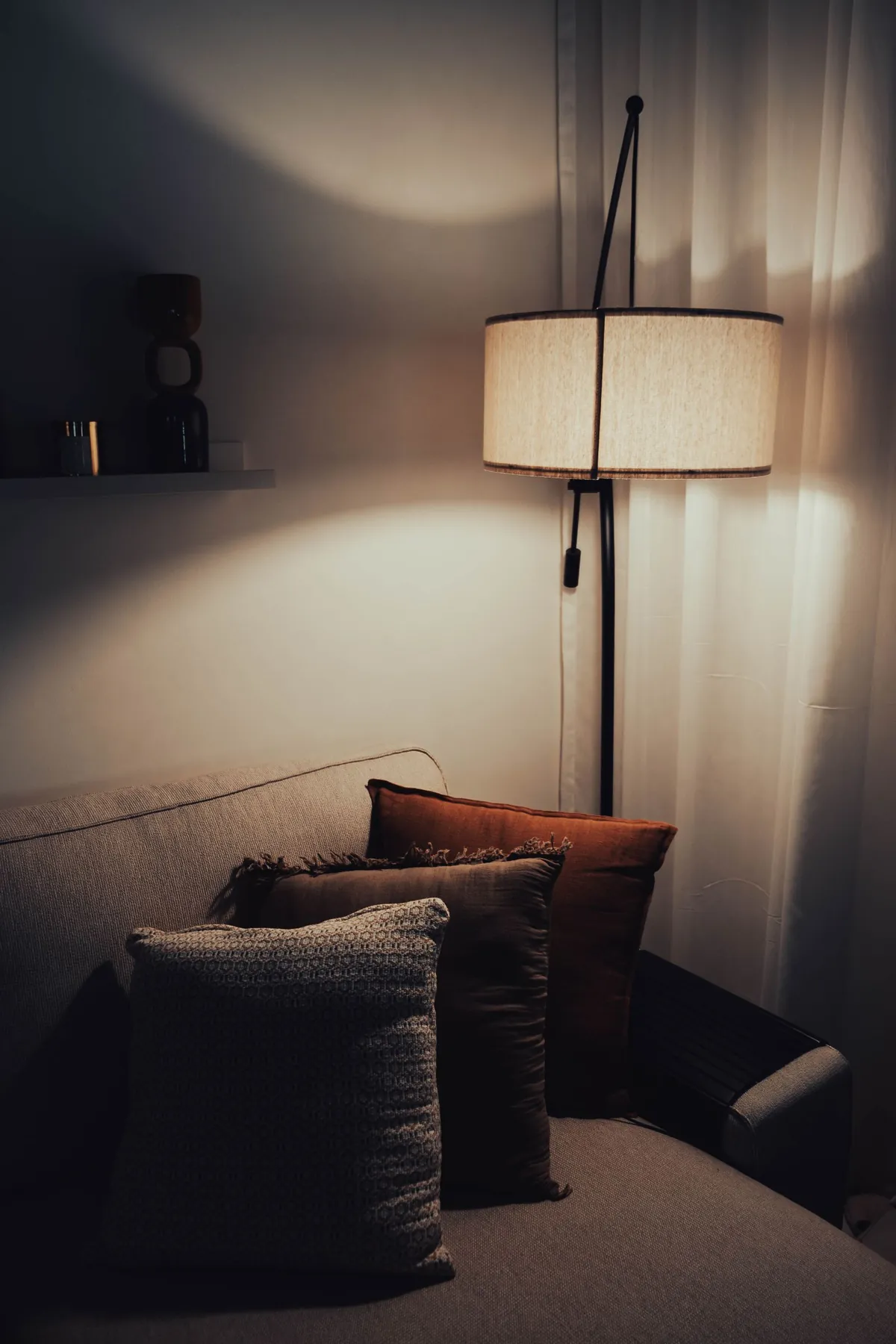
11. Layer Lighting Instead of Relying on One Bright Light
A single harsh ceiling light can make a small room feel flat and exposed. Instead, layer a floor lamp, a table lamp, and a small warm light where you read or relax, and let each area glow gently on its own.
Warm, low light in the evening makes a compact room feel cosy rather than cramped. During the day, keep curtains light and windows clear so daylight can do most of the work.
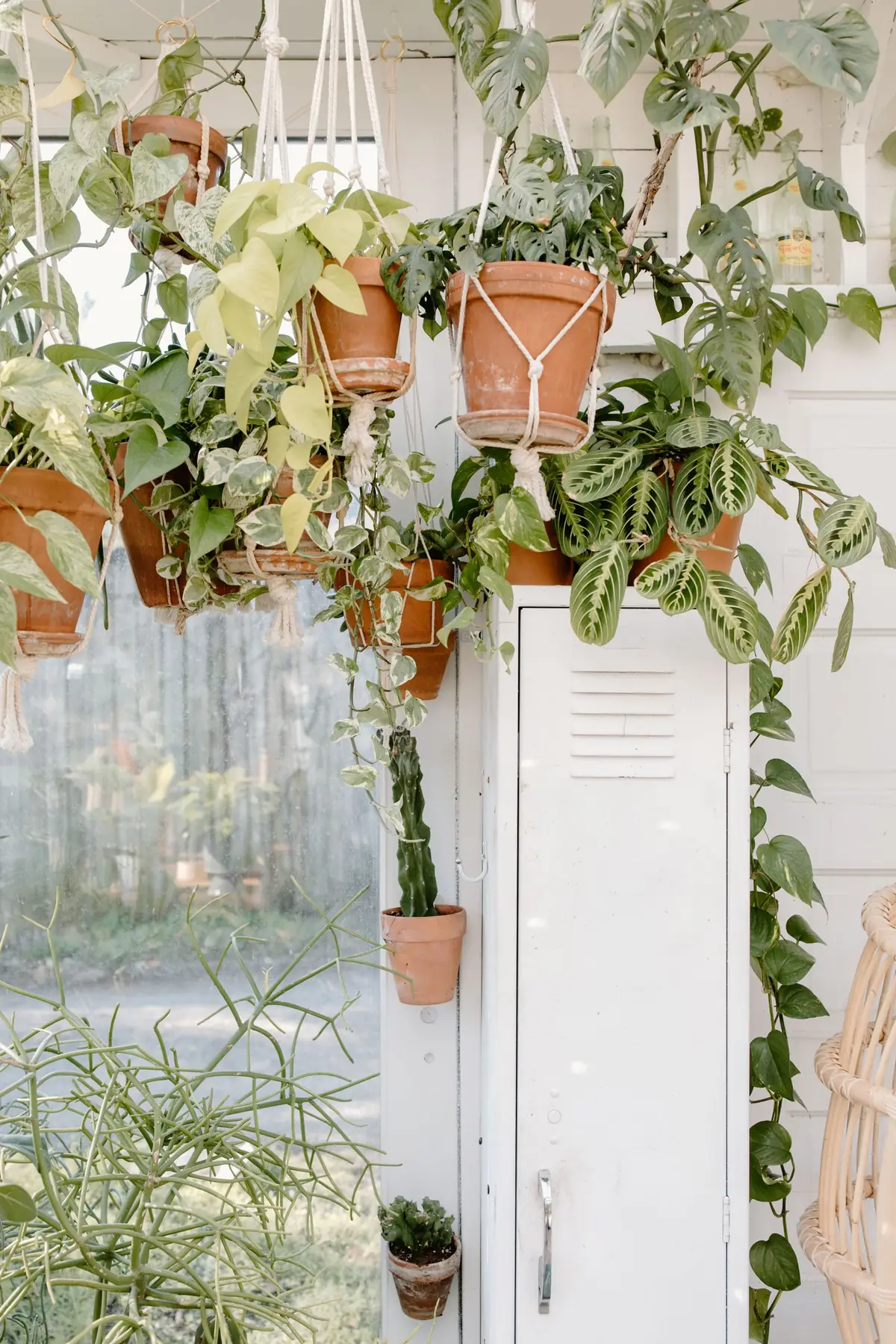
12. Grow Plants Upwards, Not Outwards
Plants make a small home feel alive, but large floor pots take up precious space. Hanging planters, wall-mounted pots, and a slim shelf of small plants near a window give you greenery without losing floor area.
Choose plants that suit your light and your routine, and start with two or three. A few healthy plants look far better than a crowded collection struggling for light, water, and room to grow.
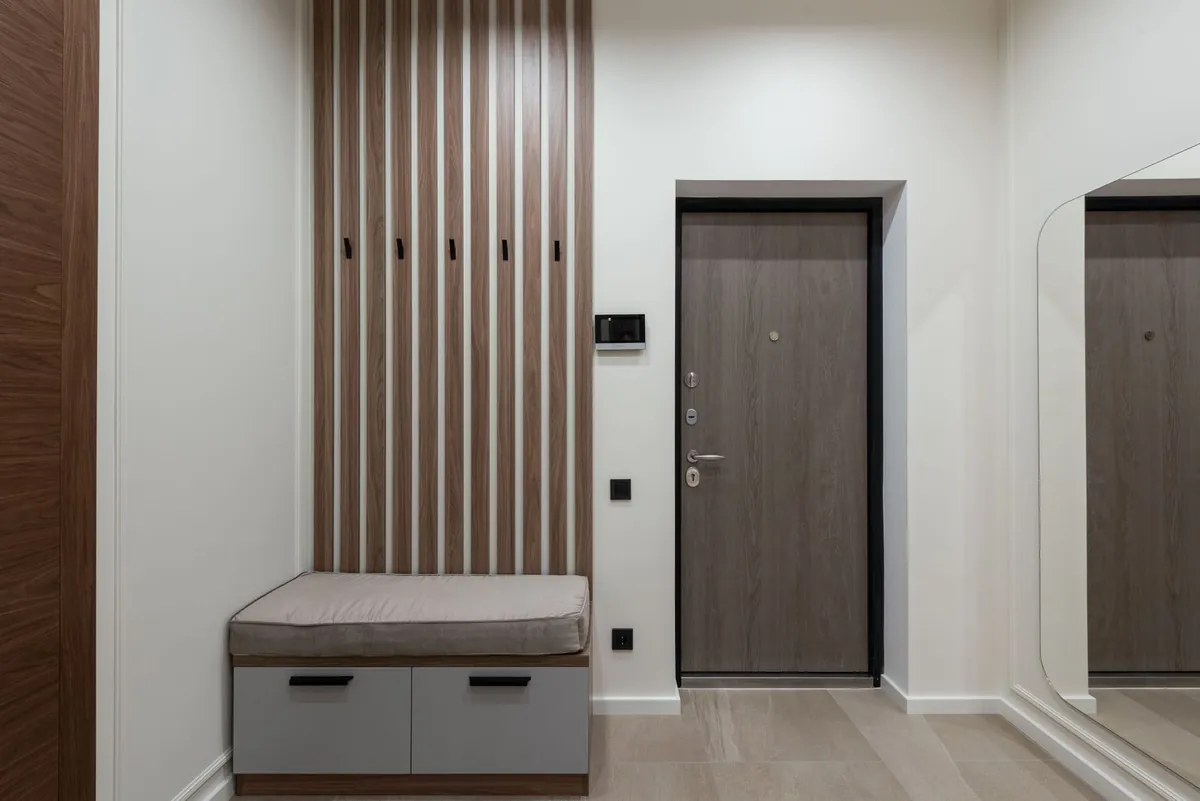
13. Give the Entryway a Bench, Hooks, and a Home for Keys
A small entryway sets the tone for the whole home. A slim bench, a row of wall hooks, and a tiny tray or hook for keys stop coats, bags, and shoes from spreading into the living room.
Keep this area to what you actually use daily. Seasonal coats and extra bags can live elsewhere, leaving the entry clear, welcoming, and easy to keep tidy when you come home.
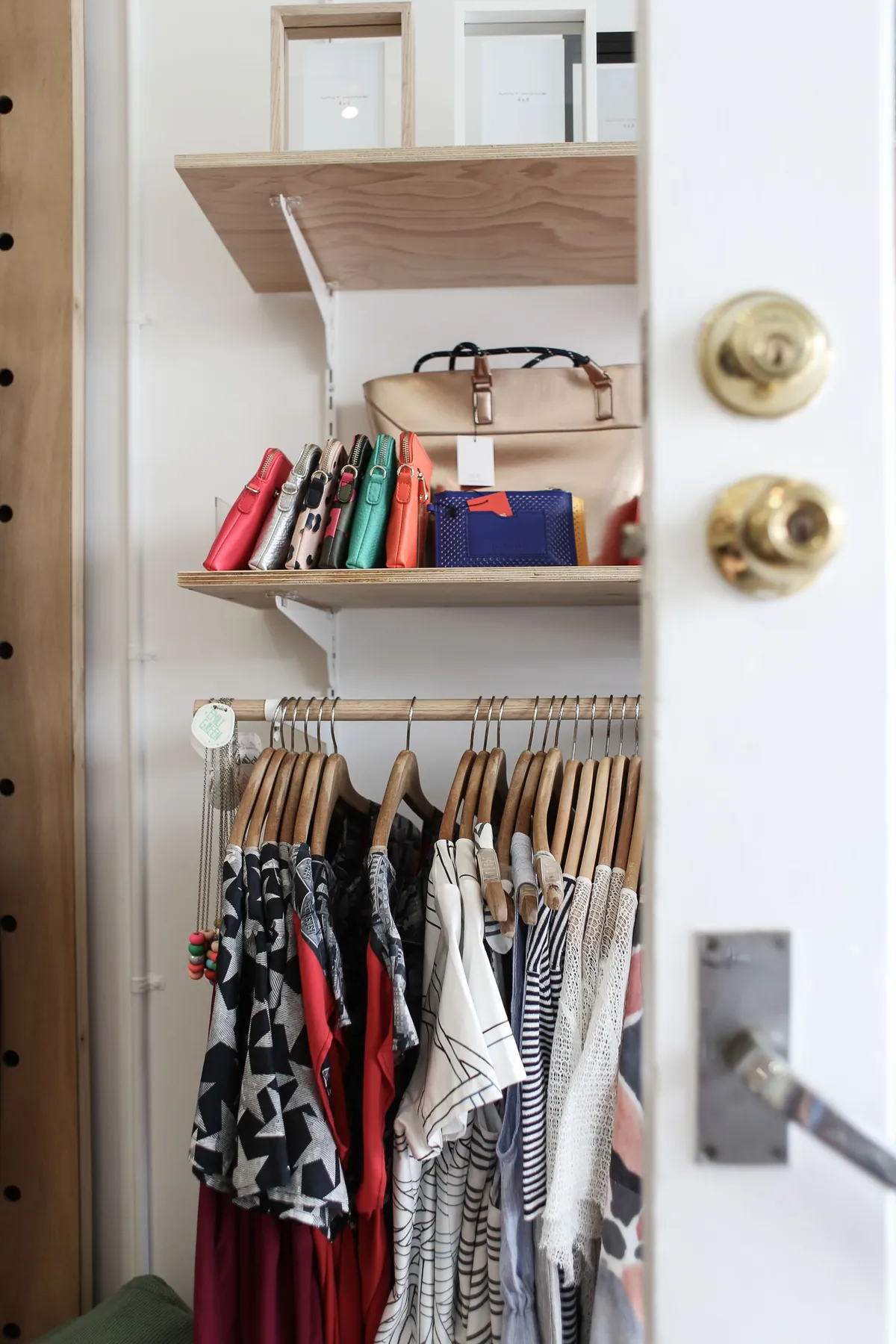
14. Organise the Wardrobe by Category and Season
A small wardrobe works best when it is organised, not just full. Hang clothes by category, fold knitwear neatly, use matching boxes for accessories, and move out-of-season items to a higher shelf or under-bed storage.
Take ten minutes each season to remove anything unworn, damaged, or duplicated. An organised wardrobe saves time every morning and stops clothes from spilling into chairs, beds, and every other surface.
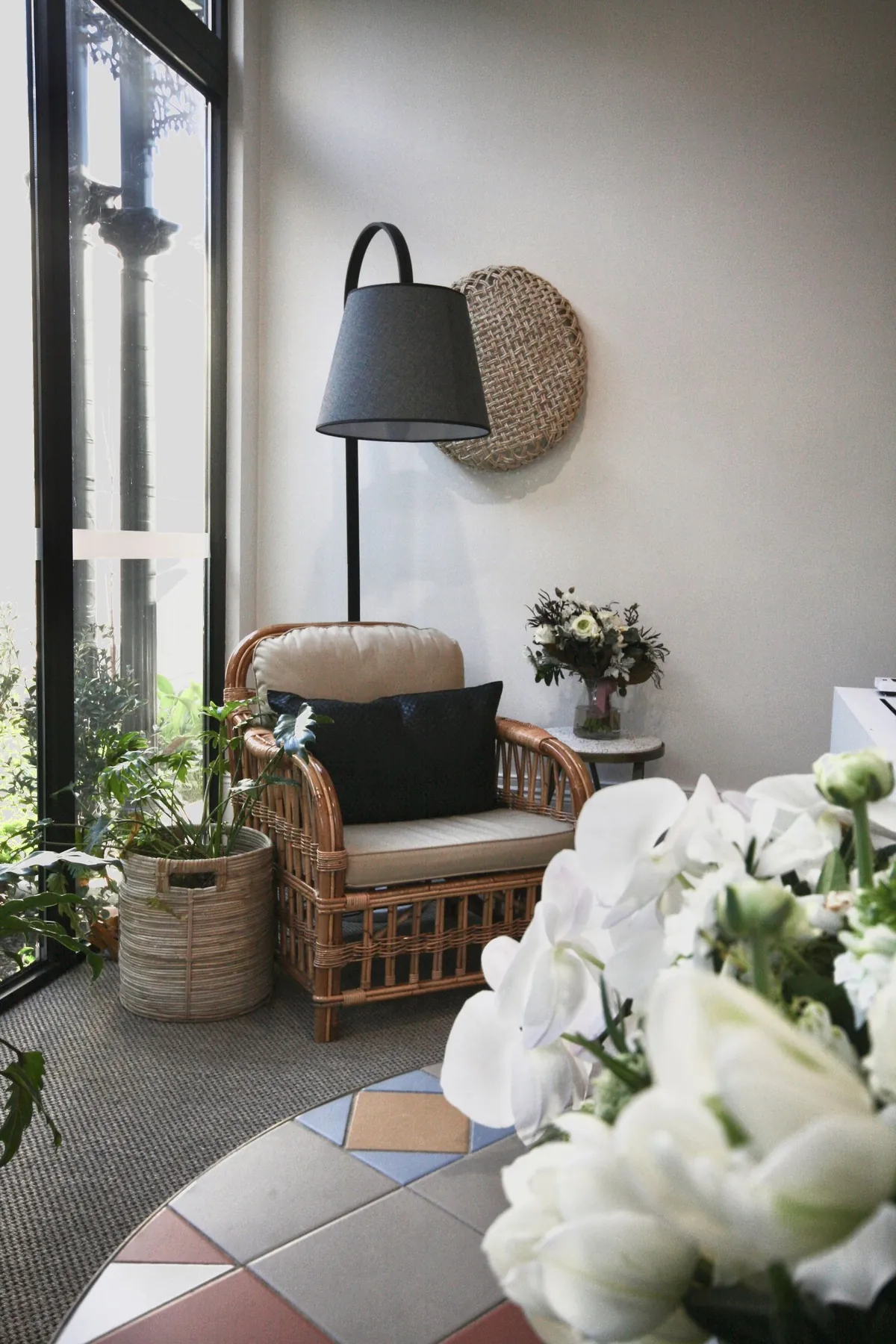
15. Claim a Tiny Reading Nook in an Unused Corner
Even the smallest home usually has one overlooked corner: beside a window, at the end of a hallway, or next to a bookshelf. A comfortable chair, a small side table, and a good lamp turn that corner into a place to pause.
A nook does not need to be large to feel special. Keep it simple, add a cushion and a throw, and protect it from becoming a dumping ground for bags and paperwork.
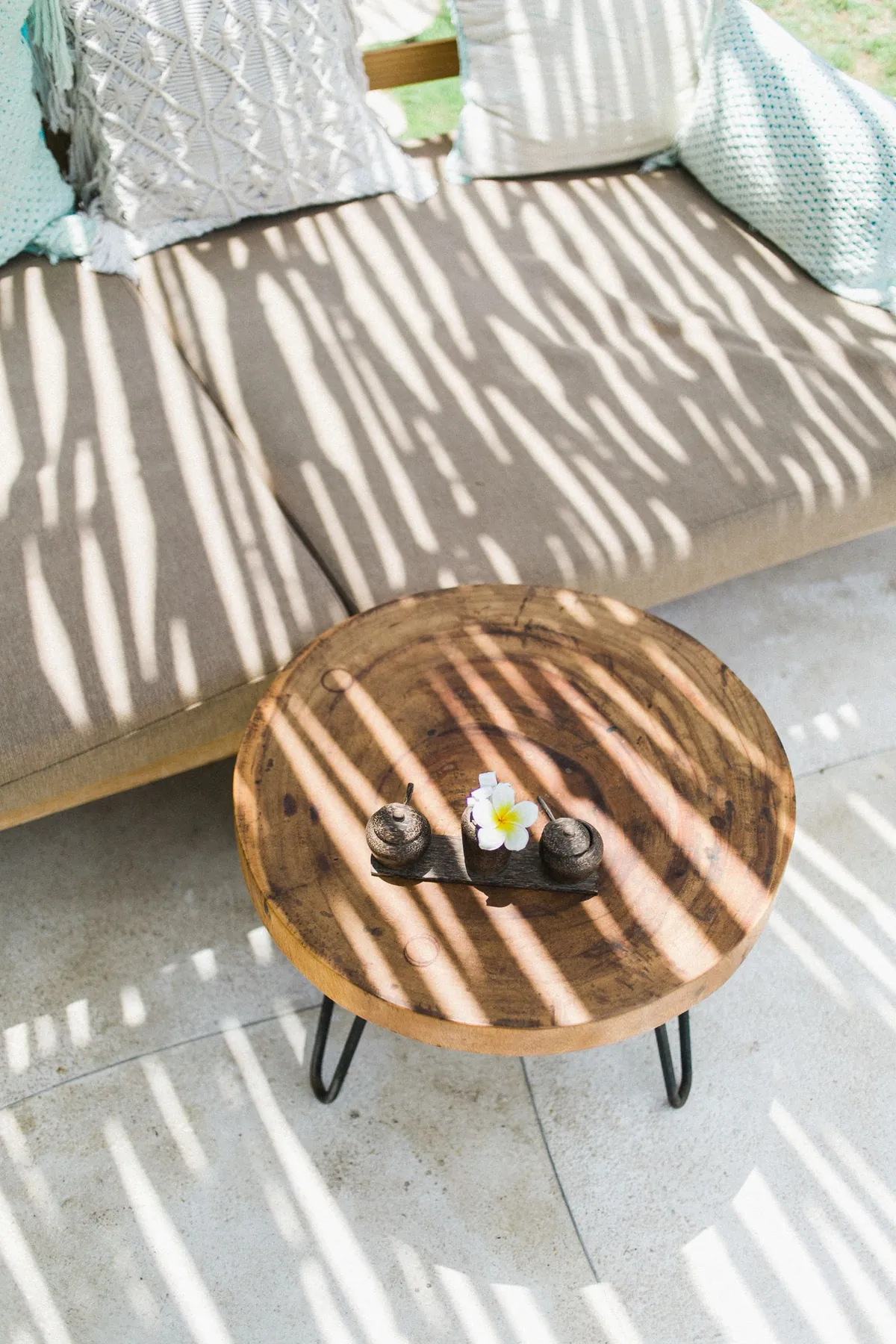
16. Edit Decor Often and Keep One Calm Focal Point
In a small room, too many decorations compete for attention and make the space feel busy. Choose one calm focal point, such as a simple sofa arrangement, a piece of art, or a wooden table, and let the rest of the room support it quietly.
Rotate decor seasonally instead of adding more. Swap a cushion cover or a vase, put one item away before bringing another out, and enjoy a home that feels fresh without feeling full.
Small-space living is really about making thoughtful choices: furniture that multitasks, storage that stays out of sight, light that opens a room, and habits that keep clutter in check. None of these ideas requires a renovation or a large budget.
Start with the change that would make the biggest difference in your home, whether that is a better work corner, a tidier wardrobe, or simply a mirror opposite a window. A small home, well arranged, can feel just as comfortable and welcoming as a much larger one.
Leave a Reply