
A kids room has to do a lot of jobs at once. It is a bedroom, a playroom, a homework corner and a quiet retreat, all in one small space, and it has to keep up as children grow. The best kids rooms are not the most perfect ones; they are the ones where everything has a place, play is easy to start, and rest feels calm at the end of the day.
The ideas below balance fun with practicality. From bunk beds and reading nooks to storage children can actually use, each suggestion is easy to adapt to a small room or a shared room, and none of them needs a full renovation to make a real difference.
1. Choose a Bunk Bed for a Shared Room
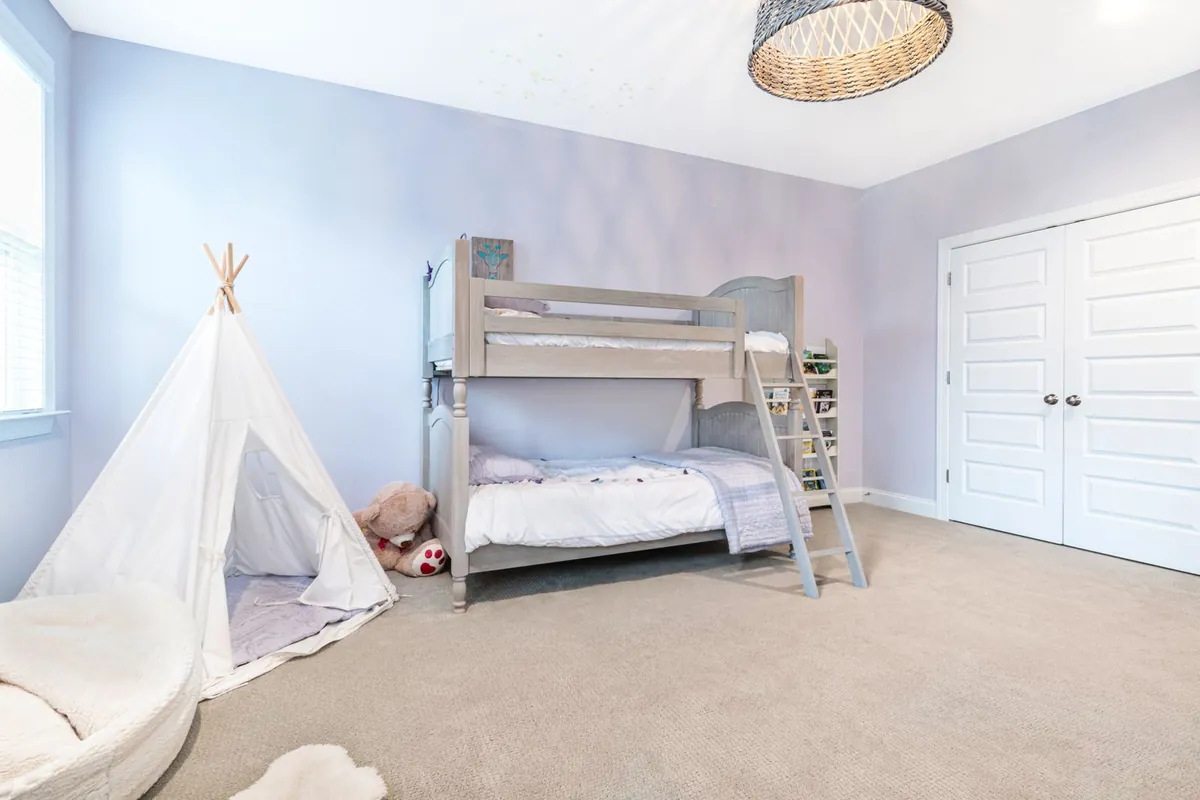
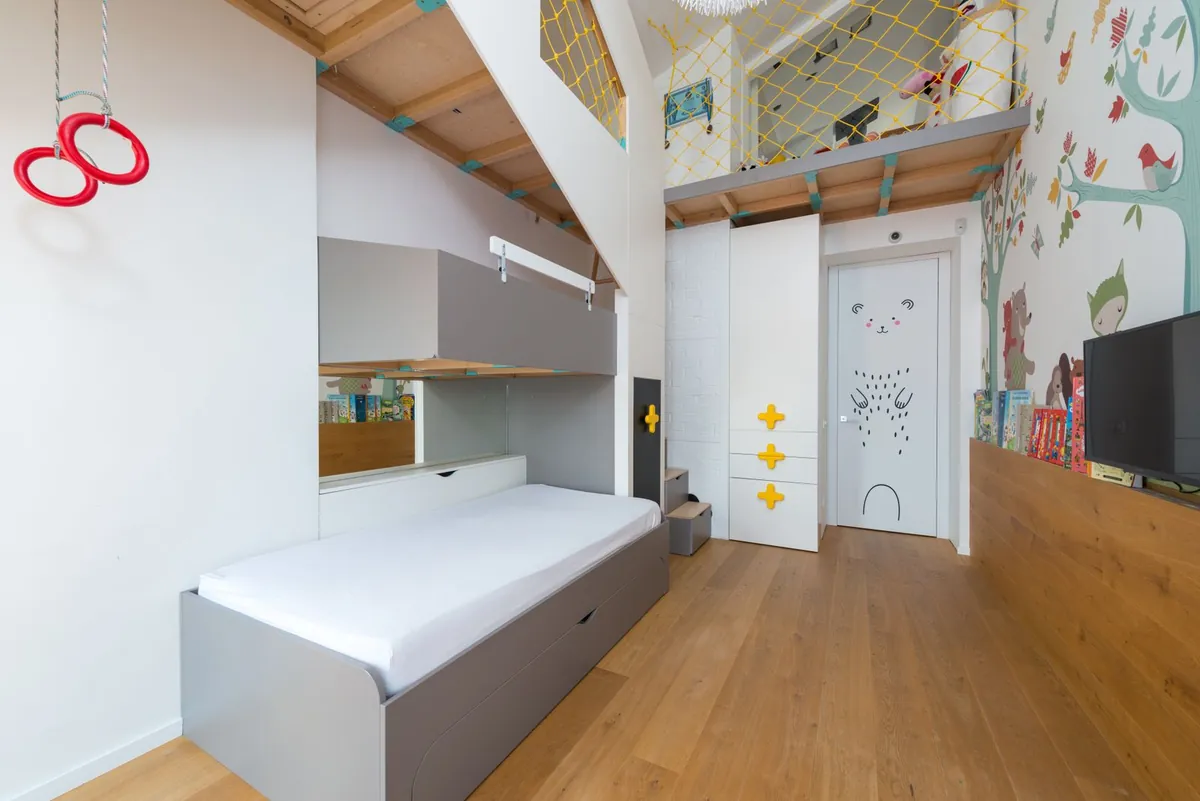
A bunk bed is the classic solution for children who share a room, and for good reason. It frees up floor space for play, gives each child their own sleeping spot, and turns bedtime into a small adventure, especially when a teepee tent or soft lighting is added nearby.
Choose a sturdy frame with a safe ladder and guard rails, and let each child personalise their own bunk with their bedding and a small shelf for books. When the bed itself is fun and comfortable, sharing a room feels like a privilege rather than a compromise.
2. Keep a Single Bed Bright and Book-Friendly
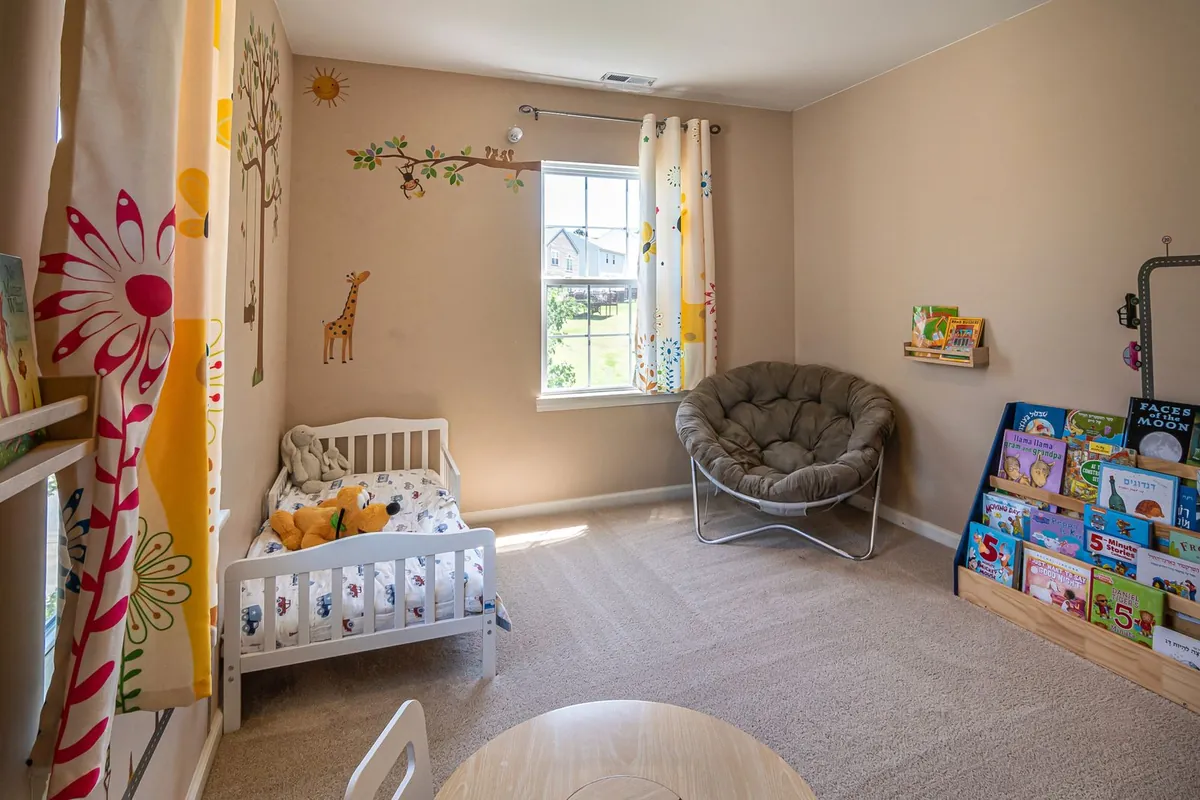
For a room with one child, a simple single bed with a bookshelf close by works beautifully. A white wooden bed, light bedding and a colourful shelf keep the room bright and calm, while books within arm’s reach encourage reading before sleep.
Keep the area around the bed uncluttered so mornings are easier and the room feels larger. A small bedside lamp, a favourite cushion and a tidy shelf are all a child needs to make this corner feel truly their own.
3. Let Colourful Wall Art Lead the Room
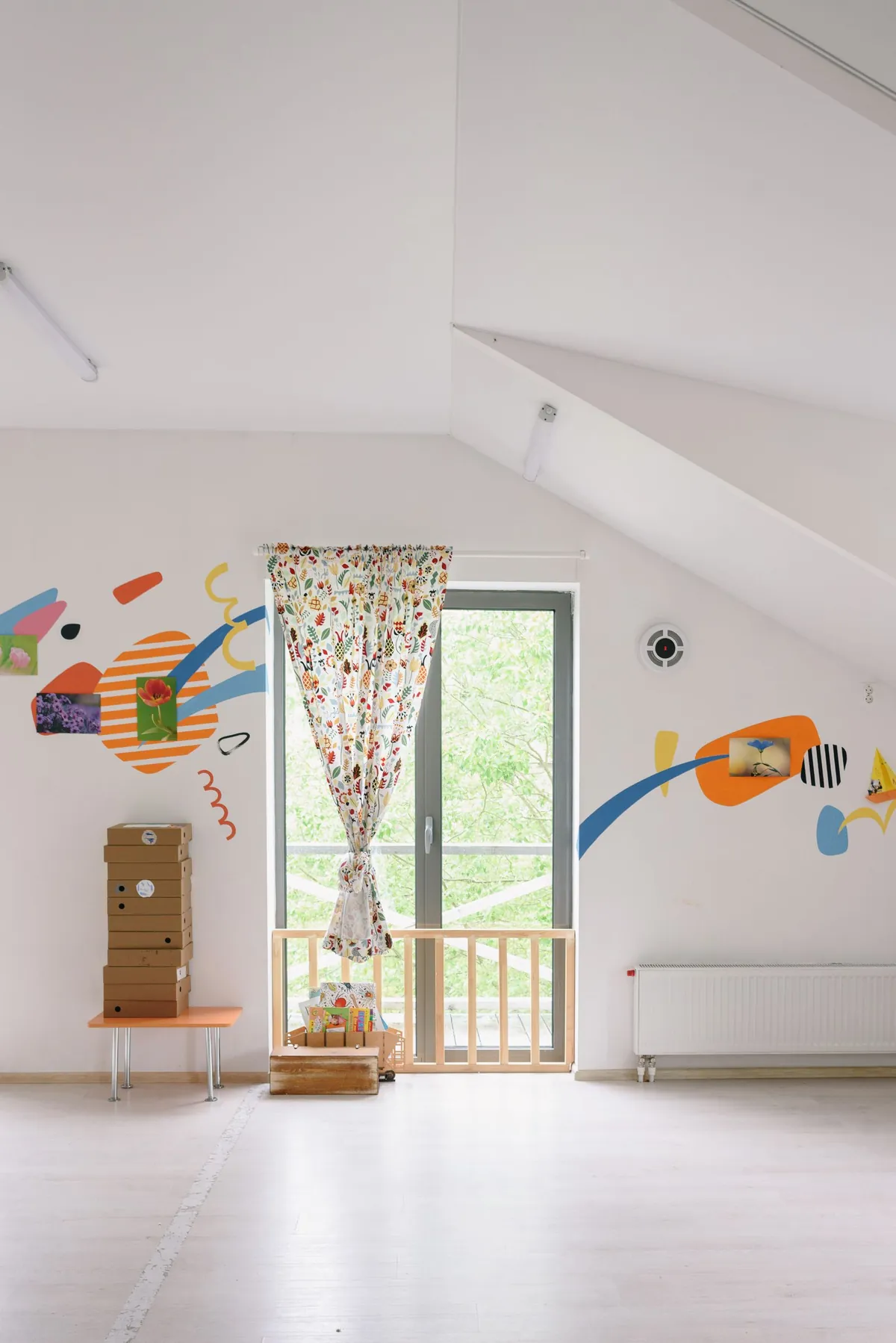
Children’s rooms are the perfect place to be bold with colour. Paintings, murals and playful wall decorations can set the whole mood of the room, from a bright art studio feel to a cheerful, creative play space.
Start with one feature wall or a gallery of children’s own artwork, and keep the rest of the room fairly simple so the art can shine. Colourful curtains and a few matching accents will tie the look together without making the room feel busy.
4. Make Bedtime Cosy with Soft Toys and Gentle Lights
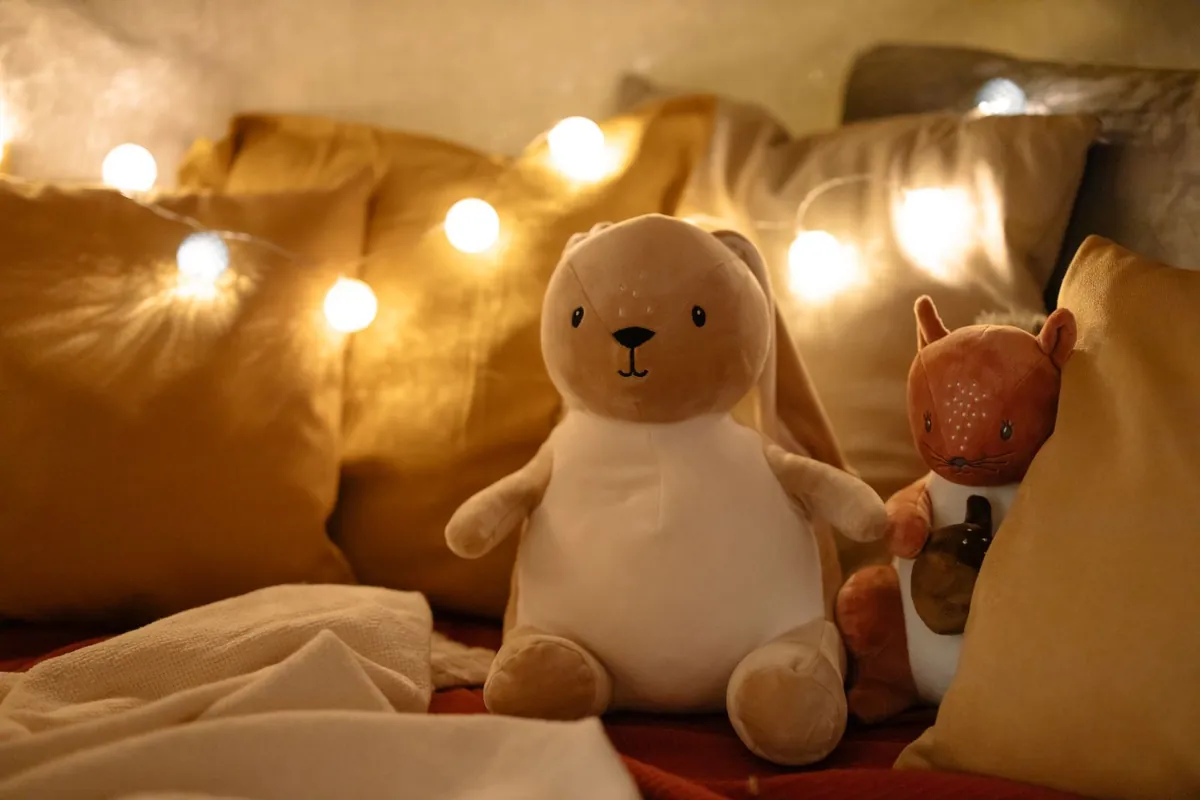
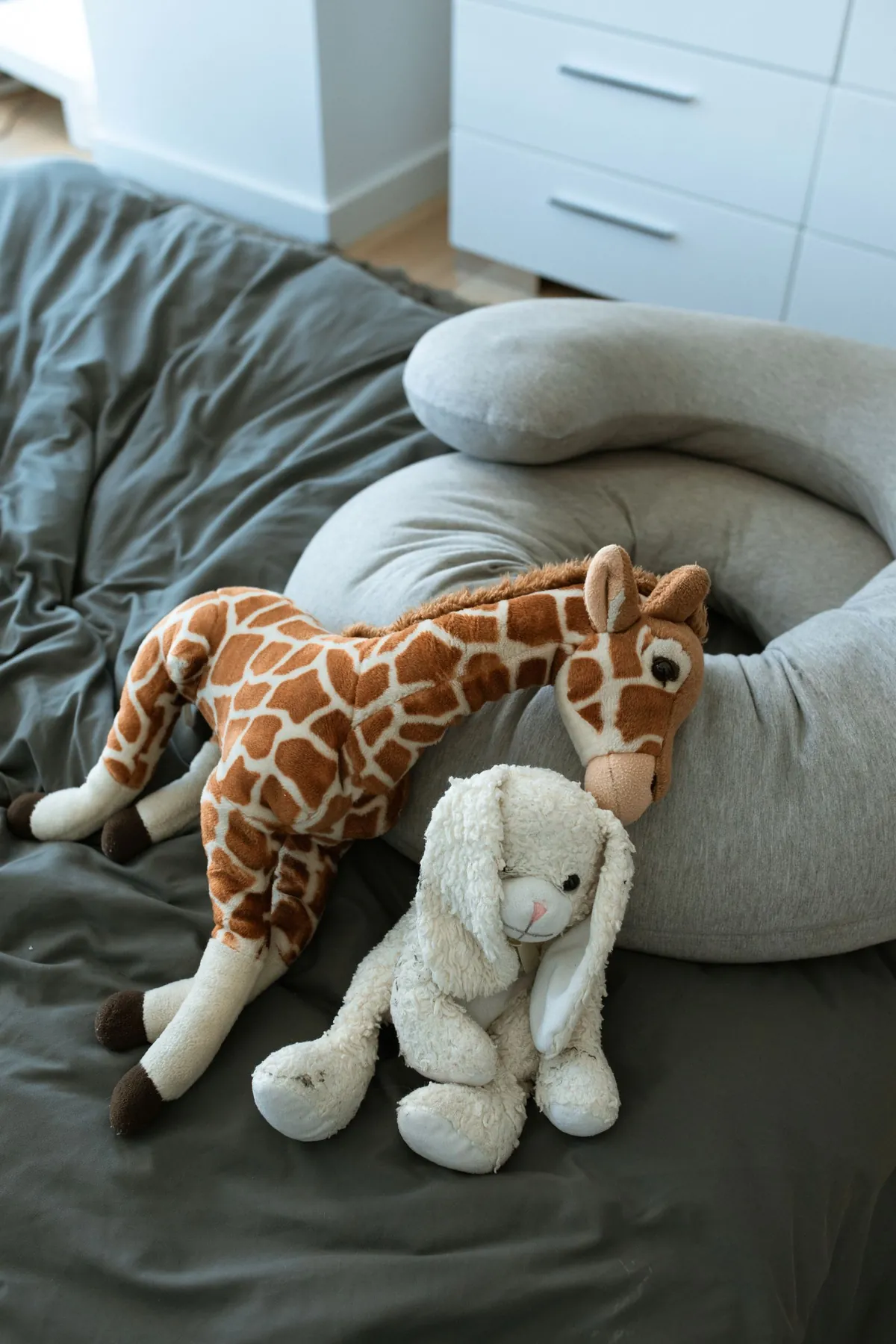
Bedtime is easier when the room feels safe and comforting. Plush toys, soft pillows and warm string lights create a gentle glow that helps children wind down, even on nights when they are full of energy.
Keep the lights low and warm rather than bright, and choose a few favourite soft toys rather than covering the whole bed. A calm, cosy bed signals that the day is ending, and it makes the room a place children actually look forward to at night.
5. Set Up a Proper Study Desk at Home
Even a small study corner makes homework feel more serious and more enjoyable. A child-sized desk, a comfortable chair and good light give schoolwork its own place, away from the bed and the toys.
Keep supplies organised in pots or a small tray, and add a colourful board or pinboard for timetables and proud work. When the desk is inviting and tidy, children are far more likely to sit down and get started on their own.
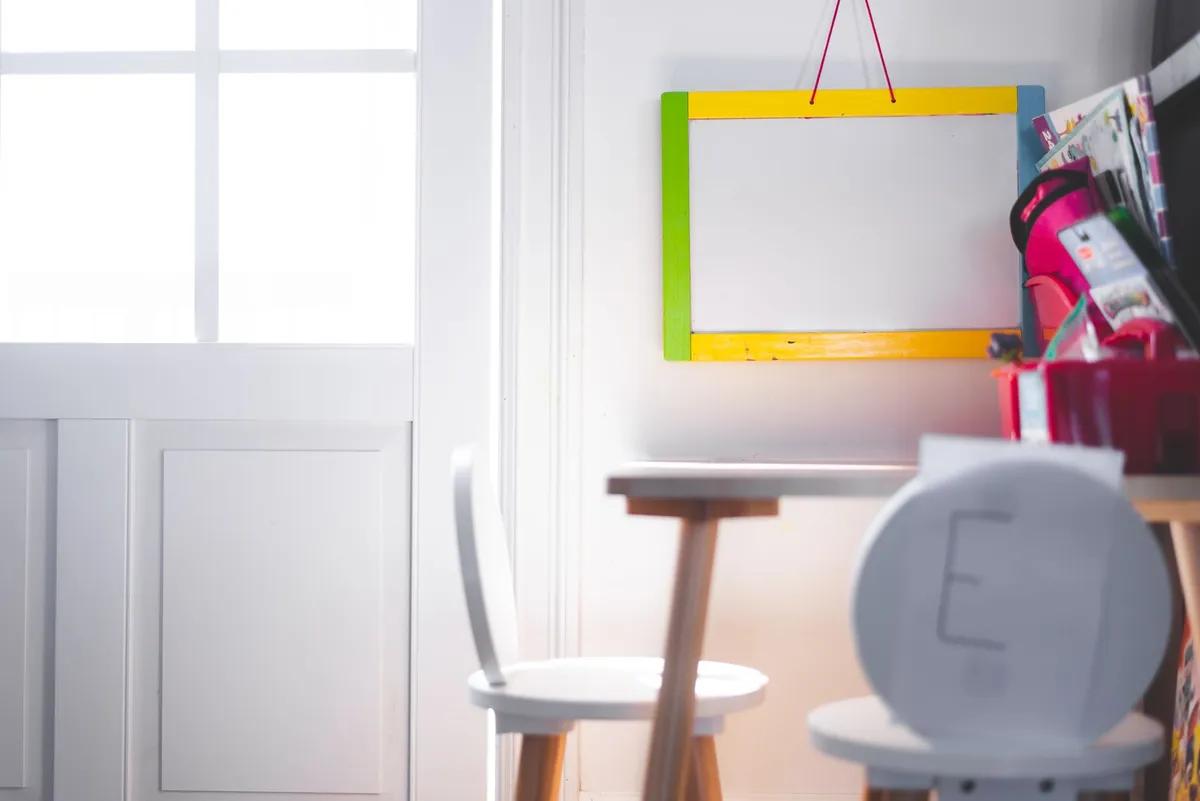
6. Use Low, Organised Storage Children Can Reach
Storage only works in a kids room if children can use it themselves. Low shelves, baskets and a tidy storage unit let them find toys and put them back without help, which makes tidying a habit rather than a battle.
Label baskets with pictures for younger children and words for older ones, and keep everyday toys low and special items higher up. A room with a clear place for everything stays calmer, and children learn to look after their own space.
7. Create a Building and Lego Play Zone
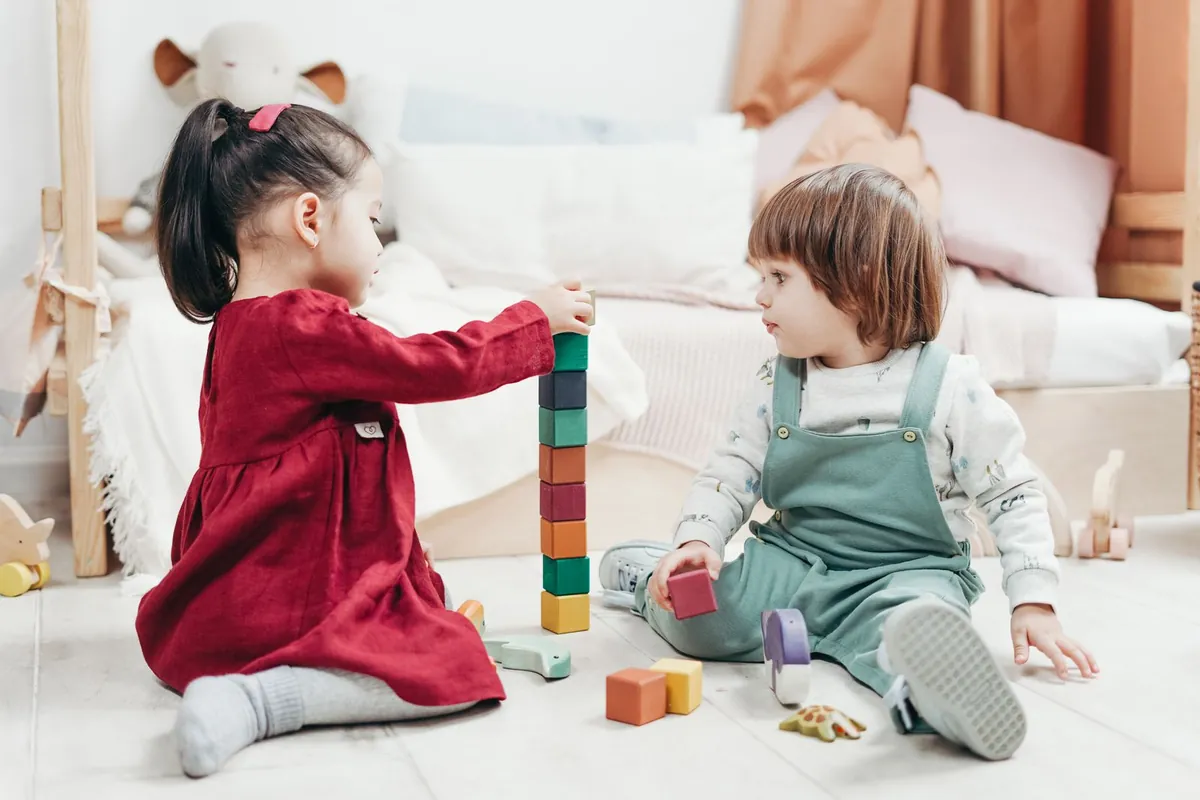
Building blocks are one of the best toys for a kids room because they grow with the child. A low table or a rug on the floor, plus a box or tray for blocks, gives building play a home that does not take over the whole room.
Keep the zone near good light and away from the bed, so half-finished creations can stay out for a day or two. Building play encourages patience, imagination and problem solving, and it is easy to tidy away when friends come over.
8. Keep Wooden Toys for Imaginative Play
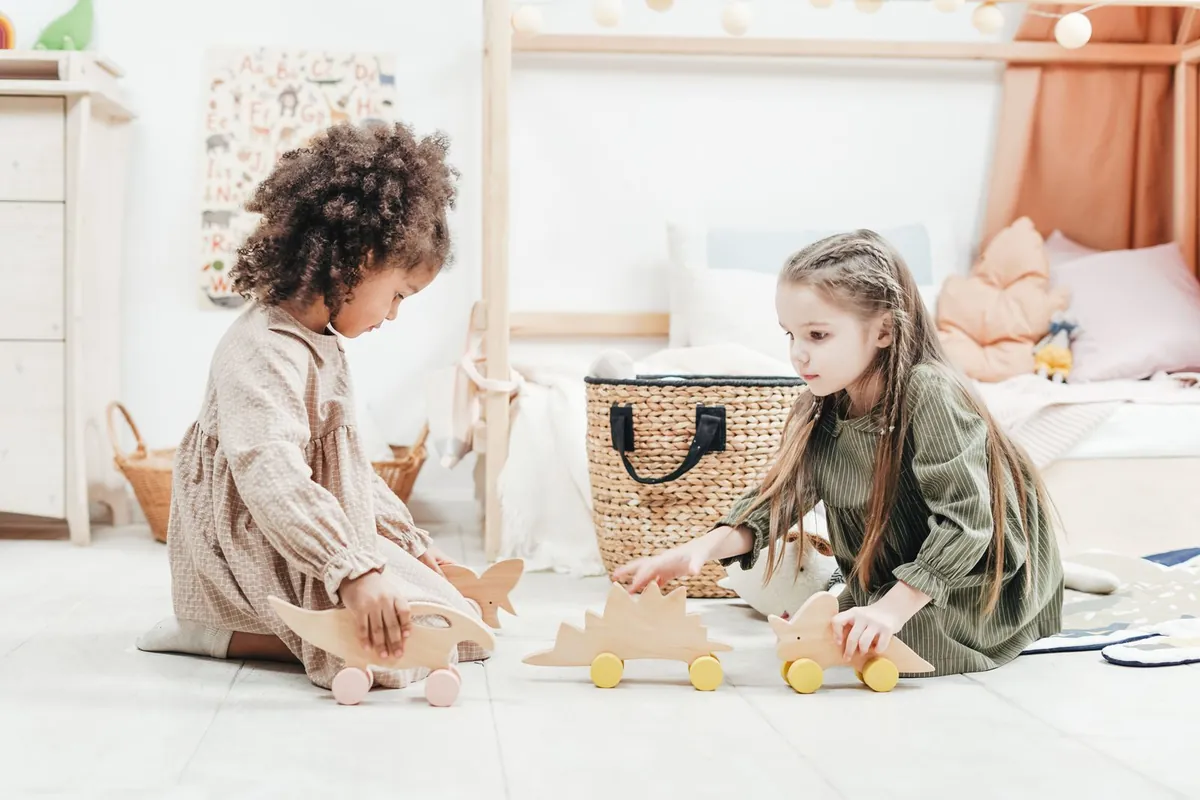
Wooden toys have a timeless charm in a kids room. Dinosaurs, animals, vehicles and simple figures invite open-ended stories, and they look far nicer left out on a shelf than piles of plastic toys.
Choose a few well-made pieces rather than a large collection, and rotate them from time to time to keep play fresh. Wooden toys also suit almost any room style, from bright and playful to calm and natural.
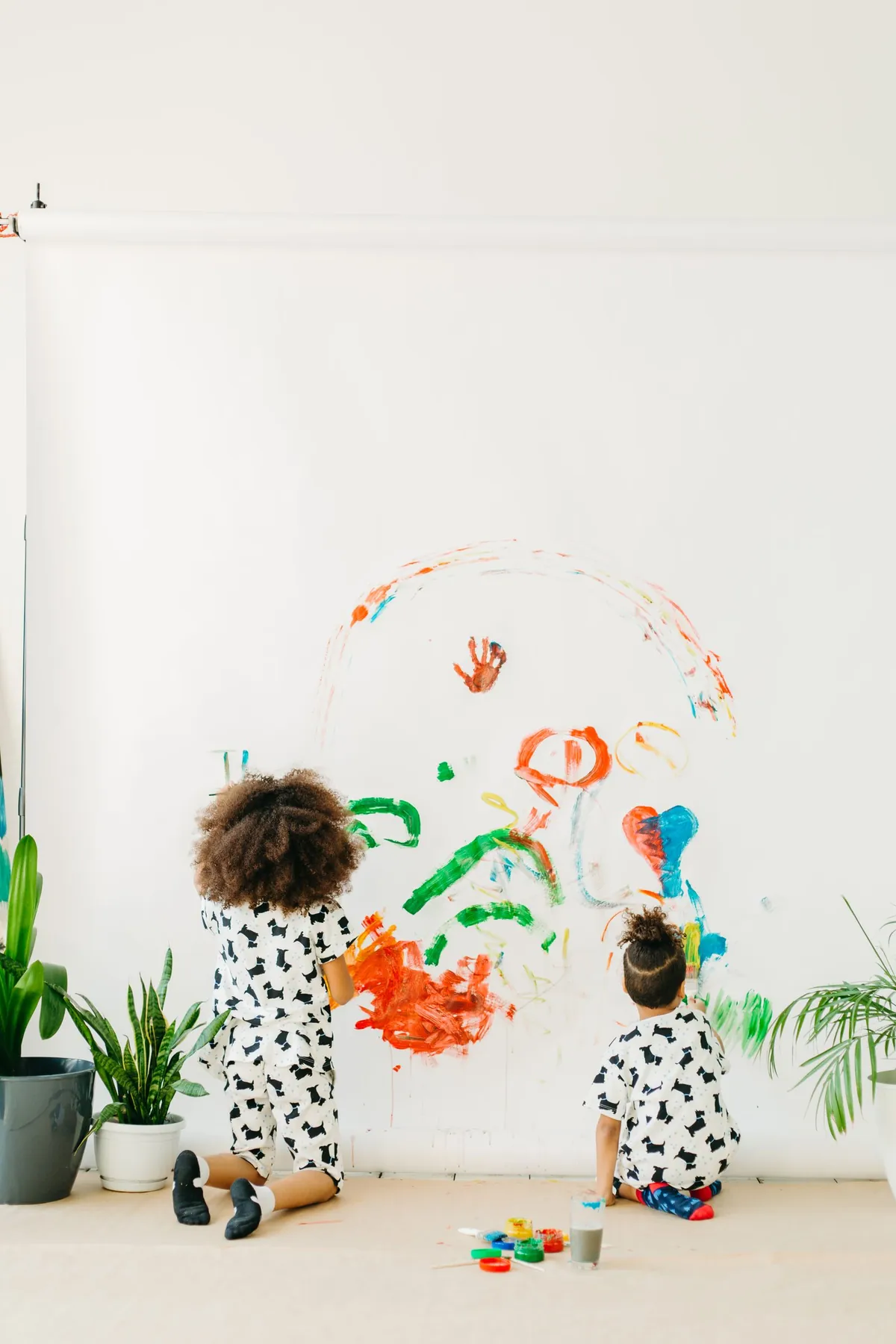
9. Make an Art and Craft Corner
Every kids room benefits from a place to get creative. A small table, washable supplies and a wall or board for finished pictures give children permission to paint, draw and make things without worrying about the rest of the house.
Use a wipeable mat under the table and keep paints and paper in one box so the corner can be cleared quickly. Displaying children’s art proudly on the wall is the finishing touch, and it makes the room feel personal and alive.
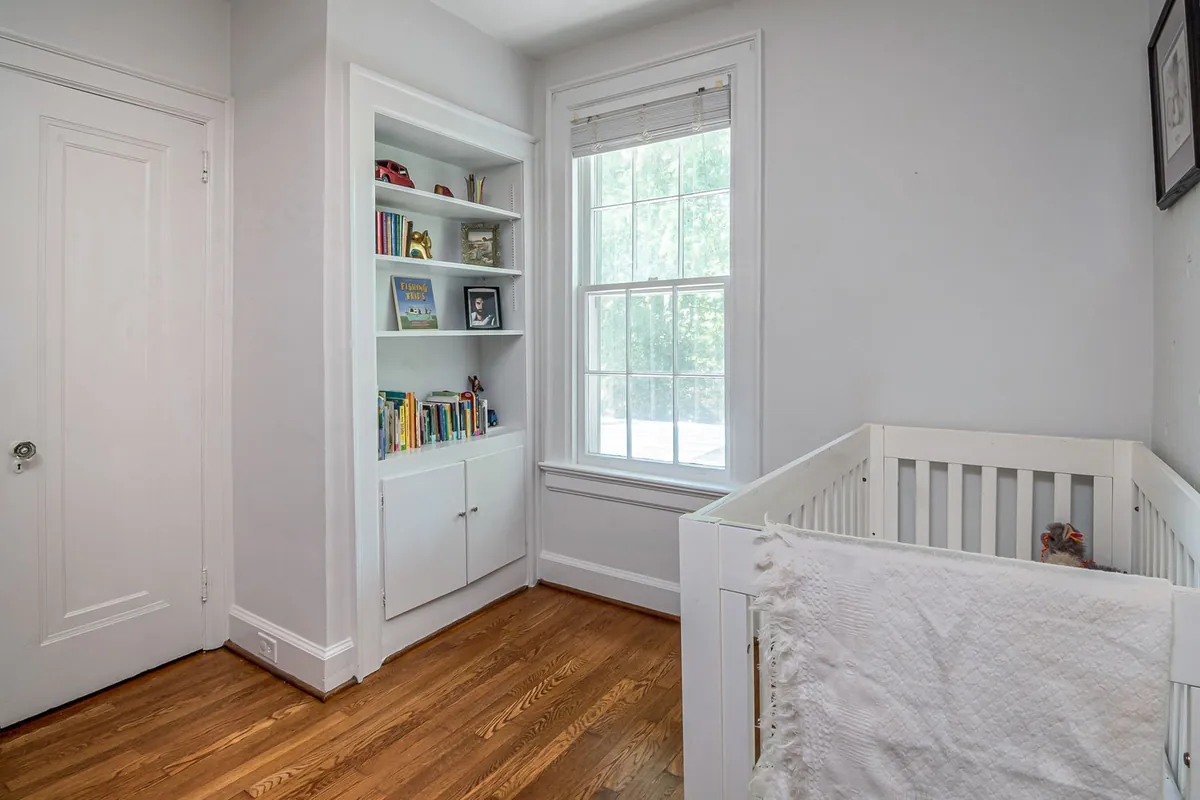
10. Design a Calm Room for Younger Children
Younger children need a room that feels gentle and safe. A simple crib or small bed, soft neutral bedding, wooden floors and built-in bookshelves create a calm base that can grow with them.
Keep colours soft, light natural, and clutter to a minimum, with a comfortable chair for bedtime stories. A calm room helps little ones settle at night, and it is easy to add brighter touches later as their tastes develop.
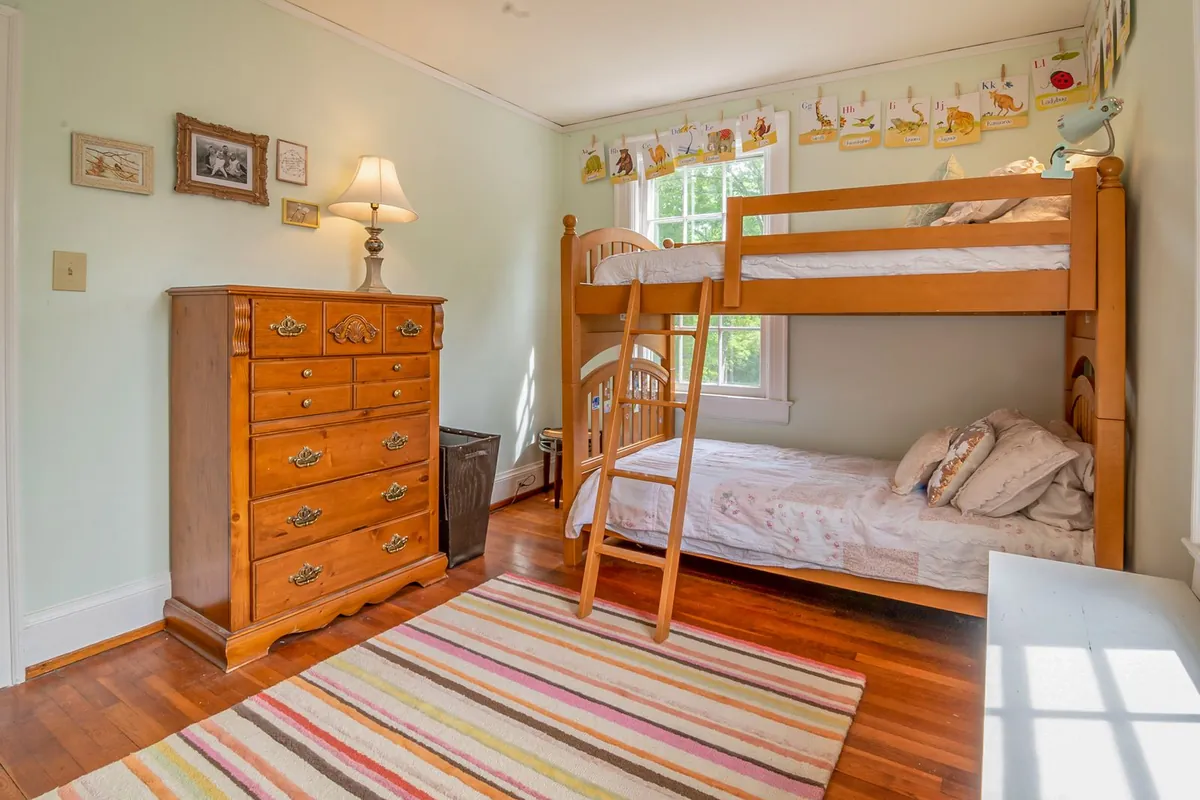
11. Choose Warm Wood Furniture That Lasts
Warm wooden furniture gives a kids room a grounded, homely feel that bright plastic cannot match. A classic wooden bunk or bed frame, a timber shelf and a few natural baskets will suit a child at five and still suit them at twelve.
Wood is also practical: it is sturdy, easy to clean and easy to repaint or restyle later. Pair it with colourful bedding and art so the room stays playful, while the furniture itself stays timeless in the background.
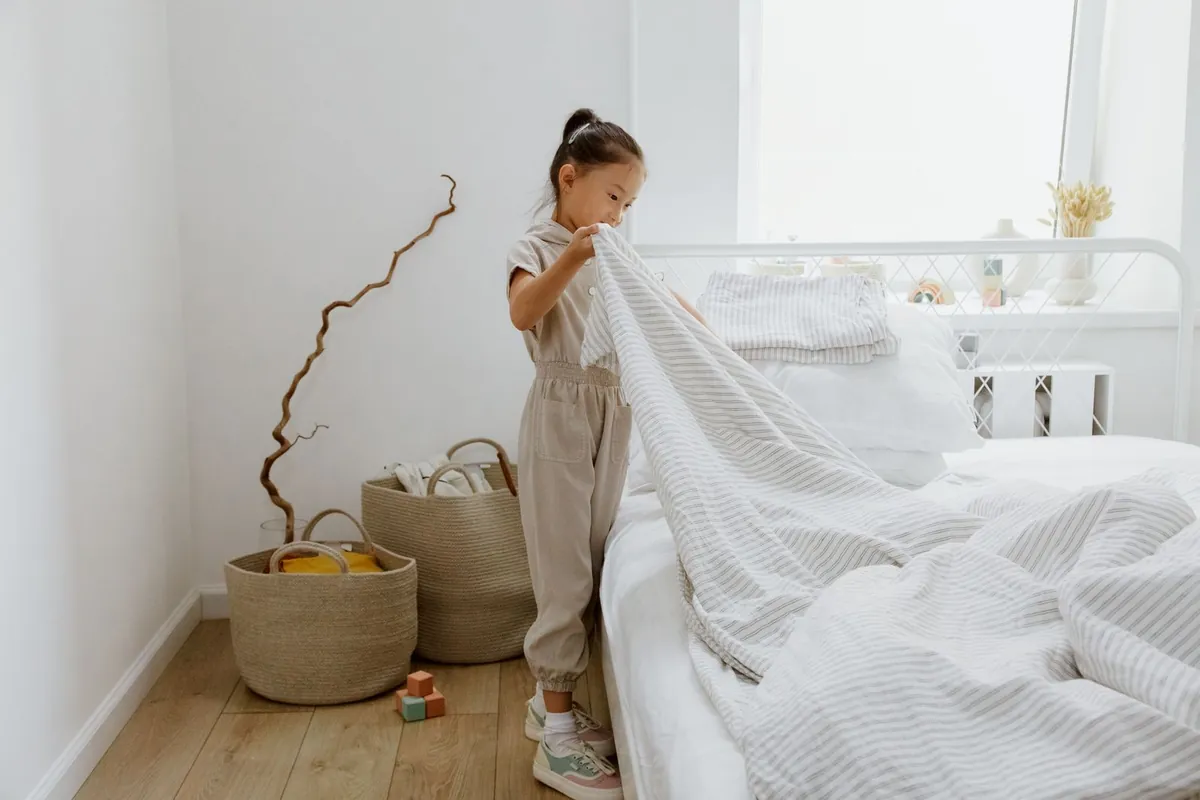
12. Build a Simple Morning Bed-Making Routine
A tidy bed changes the whole look of a kids room in two minutes. Teaching children to make their own bed gives them a small daily win, and it makes the room feel ready for the day, even when toys are still out.
Keep bedding simple so the job is quick, with a duvet that is easy to pull up and one or two cushions rather than a pile. Praise the effort, not perfection, and the routine will soon become a natural part of the morning.
13. Keep Soft Toys as Comfort, Not Clutter
Soft toys are often a child’s most loved possessions, so they deserve a proper home. A basket by the bed, a low shelf or a small hammock keeps favourites close at night without letting them spread across the floor.
Help children choose a few favourites for the bed and store the rest neatly, rotating them when they want a change. When soft toys have a place, the room feels cosy rather than chaotic, and bedtime comfort is always within reach.
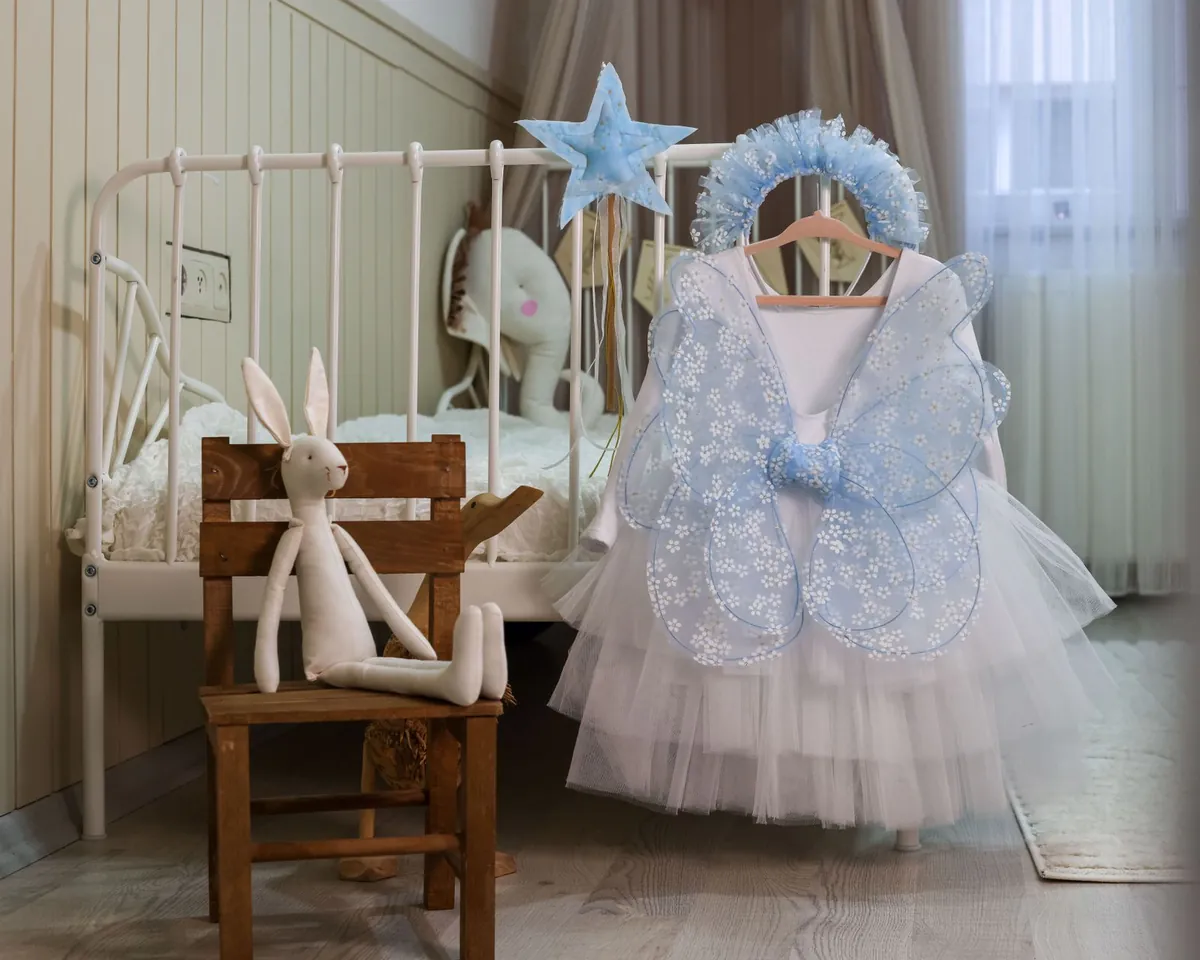
14. Add a Touch of Whimsy with a Storybook Theme
A storybook theme, such as a fairy costume corner, pastel colours and soft toys, can turn an ordinary nursery or bedroom into a magical place. The key is to keep it light: one themed corner, a few props and dreamy soft lighting are enough.
Avoid filling the whole room with themed items, which children can outgrow quickly. A whimsical corner is easy to change later, while the calm base of the room stays the same.
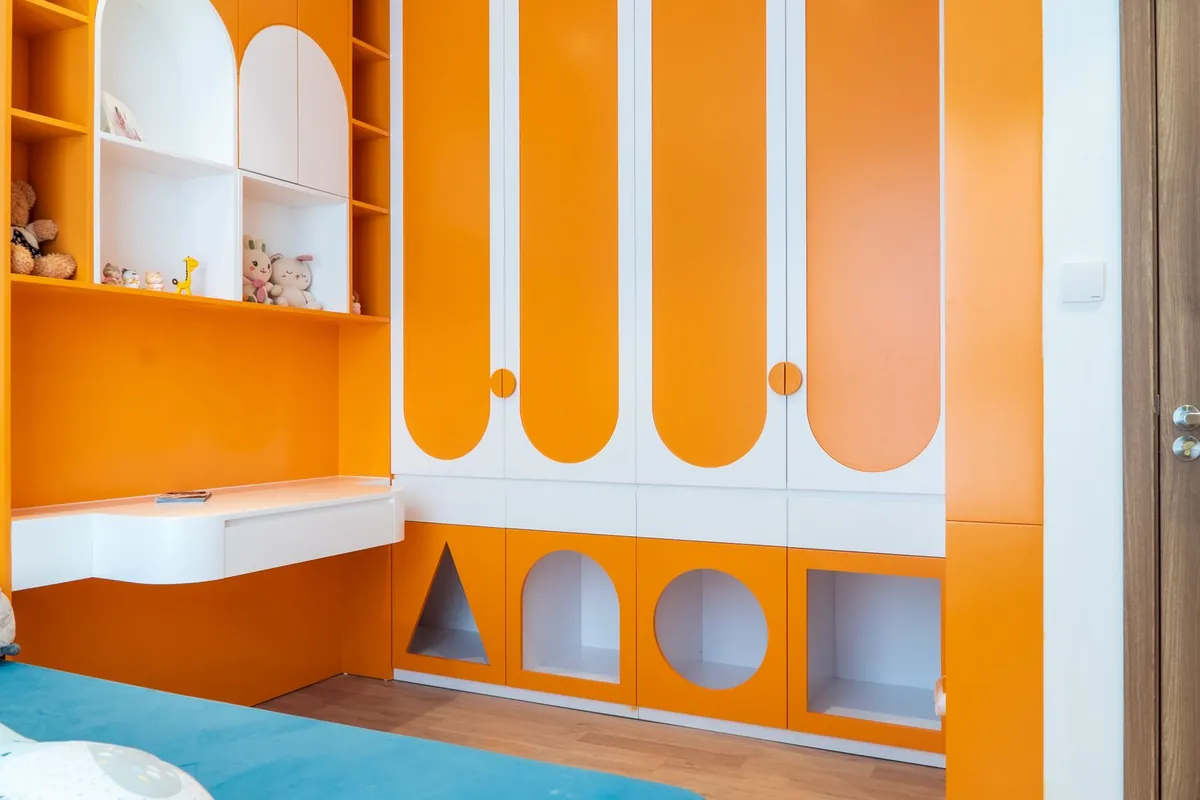
15. Try a Bold Accent Wall for Instant Personality
If a kids room feels plain, one bold wall can transform it. Warm orange walls, for example, instantly make a bedroom feel sunny, playful and full of energy, especially when paired with white furniture and simple storage.
Paint is one of the cheapest ways to refresh a room, and it is easy to change as tastes grow. Keep bedding and curtains in simple colours so the accent wall stays the star, and add teddy bears or toys as soft, friendly touches.
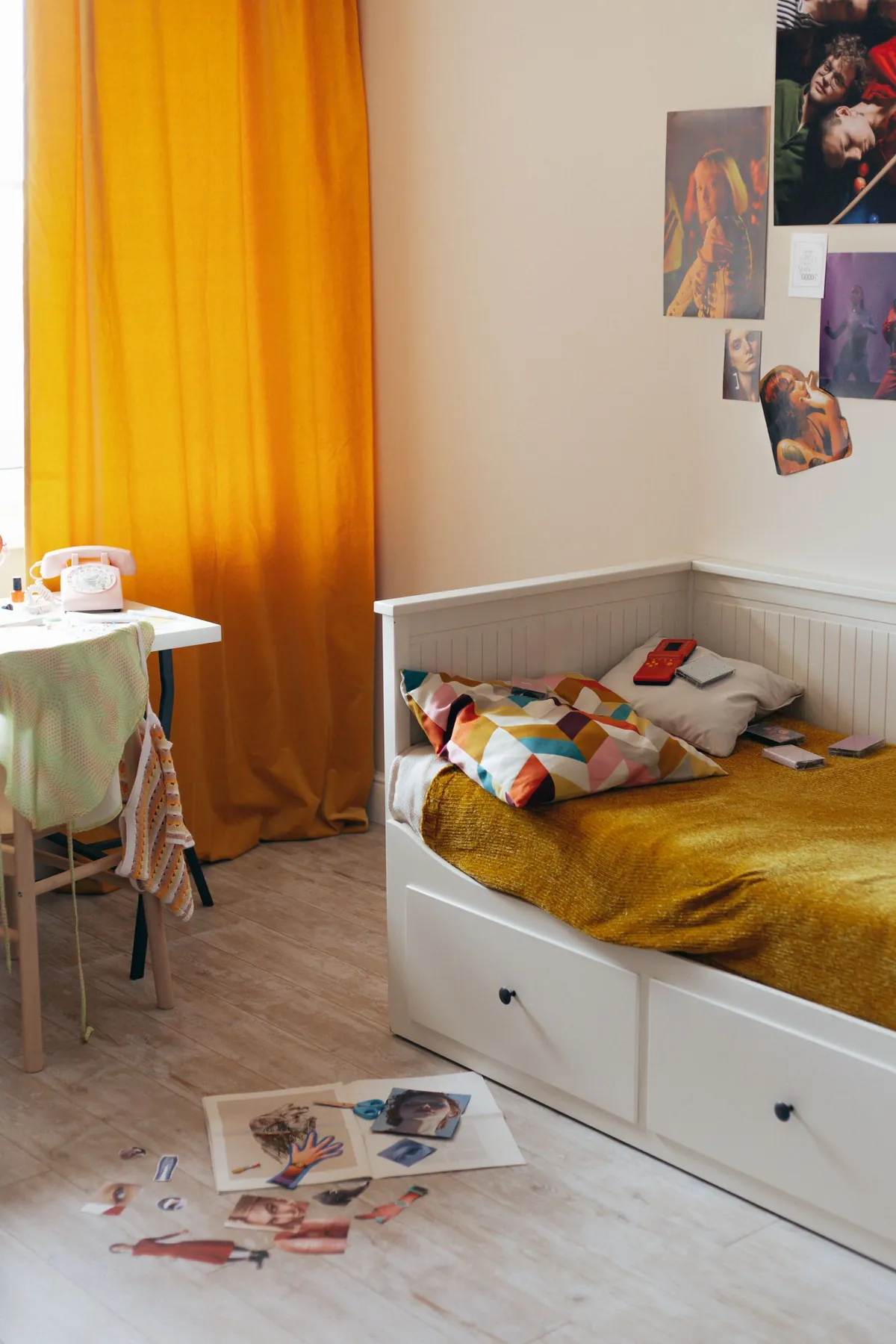
16. Let Daylight In with Bright, Cheerful Curtains
Natural light makes a kids room feel bigger, happier and healthier. A white wooden bed near a window, with cheerful yellow curtains, feels fresh in the morning and cosy when the curtains are drawn at night.
Choose curtains that are easy to open and close, and safe for children, with no long cords within reach. Bright curtains, colourful cushions and a few framed prints complete a room that feels sunny even on a dull day.
A great kids room does not need to be large or expensive. It needs a comfortable bed, a place to play, a place to learn, and storage that children can actually use, all wrapped in colour and comfort that feels like them.
Start with the change that will help most, whether that is a bunk bed, a study desk or simply better storage. Small, thoughtful steps add up to a room where children can play happily, sleep soundly and grow with confidence.
Leave a Reply