
Japandi brings together the quiet restraint of Japanese design and the soft warmth of Scandinavian living. The result is a home that feels calm without feeling cold, and simple without feeling empty. Natural materials, gentle colours, and furniture that earns its place do most of the work, so the rooms feel restful rather than decorated.
The ideas below show how to build that balance room by room, without a full renovation. Each one is practical, affordable to try in stages, and focused on comfort as much as appearance, so your home stays easy to live in as well as beautiful to look at.
1. Start with a Warm Neutral Palette
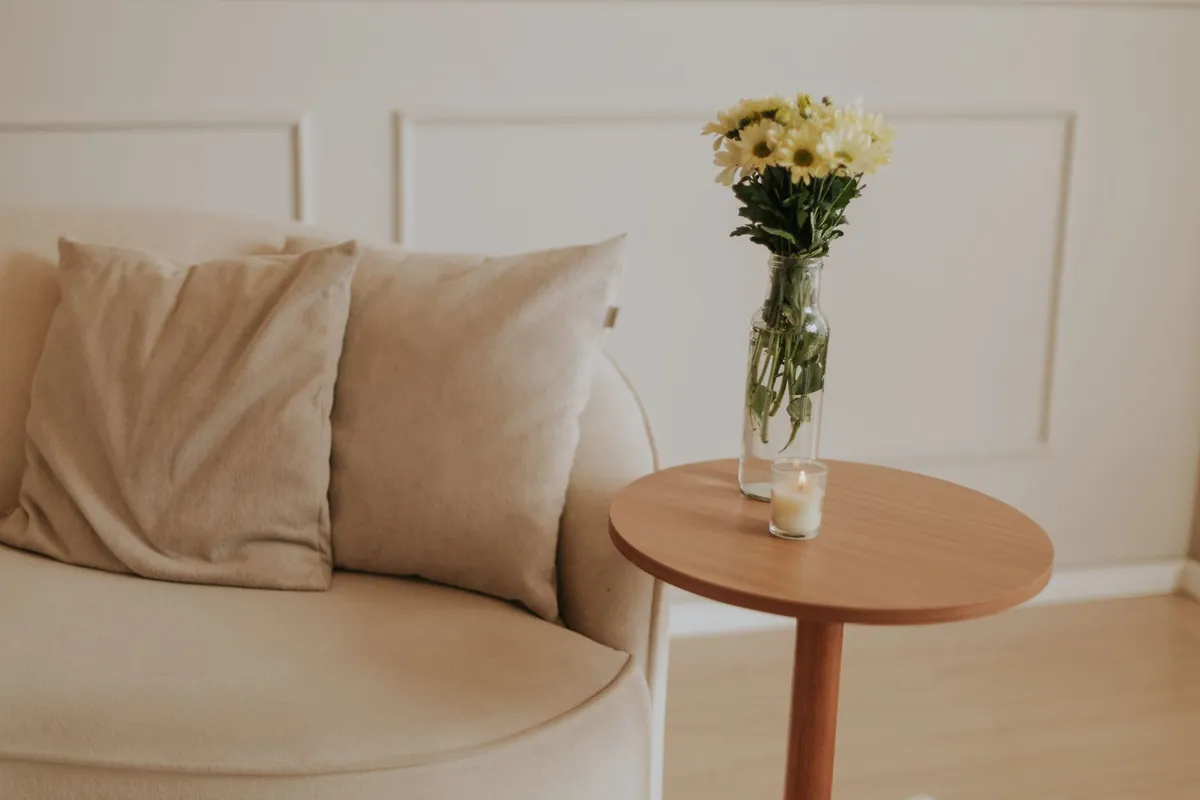
Begin with warm whites, beige, oatmeal, and soft taupe, then add one or two deeper notes such as charcoal, muted olive, or warm brown. A tight palette like this makes rooms feel connected, even when each space has a different purpose.
Keep bright, loud colours for a single small accent if you use them at all. When the background stays calm, wood grain, linen, and daylight stand out more, and the whole home feels steadier and easier to relax in.
2. Choose Low-Profile Wooden Furniture
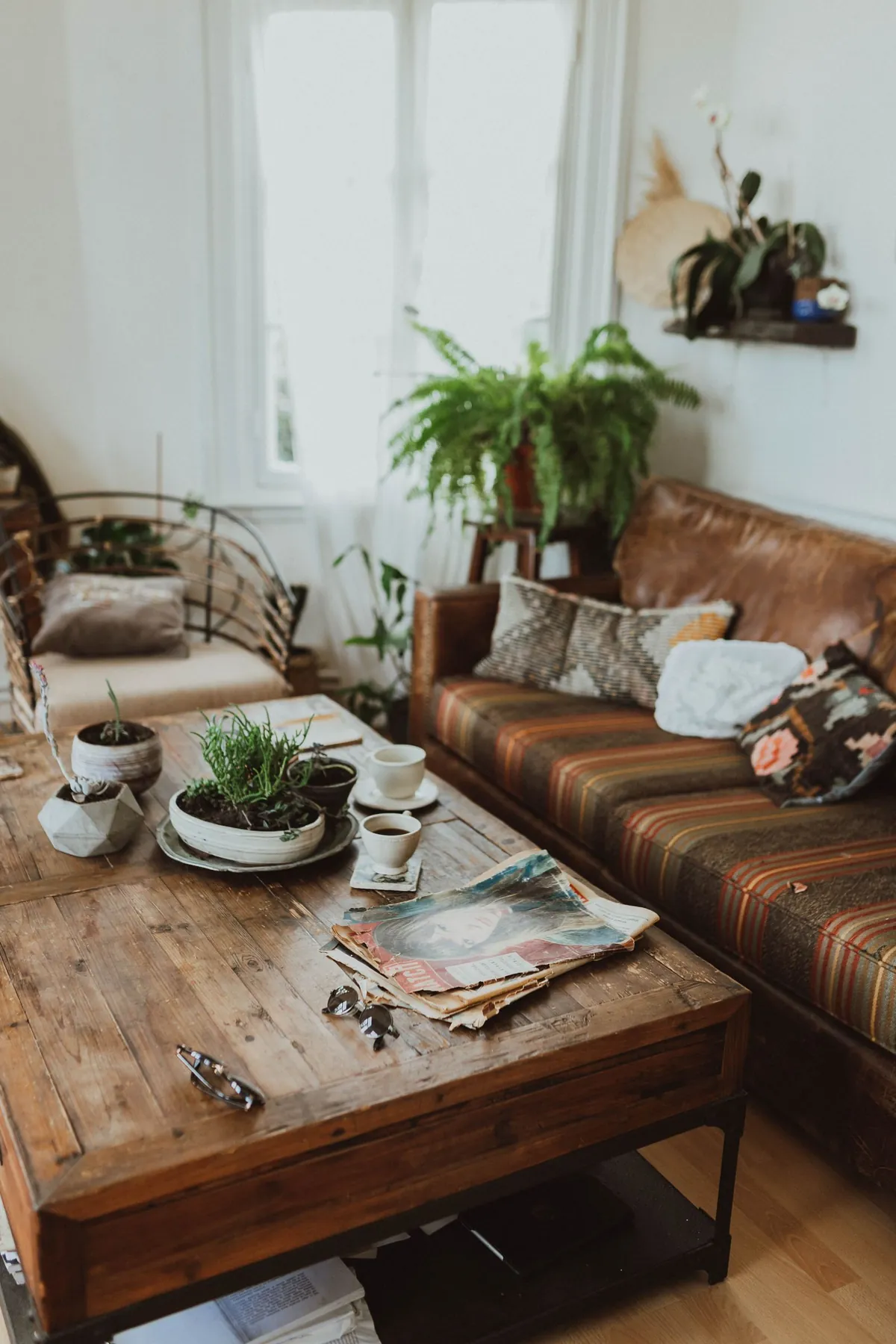
Low sofas, low coffee tables, and short side tables give a room a grounded, unhurried feeling. The lower sightlines also make ceilings feel higher and the floor feel more open, which suits smaller rooms especially well.
Look for simple shapes with clean legs and no heavy ornament. A low wooden table with a plant and a single book on it is a complete Japandi vignette, and it leaves the room feeling spacious rather than crowded.
3. Let Natural Wood Lead the Room
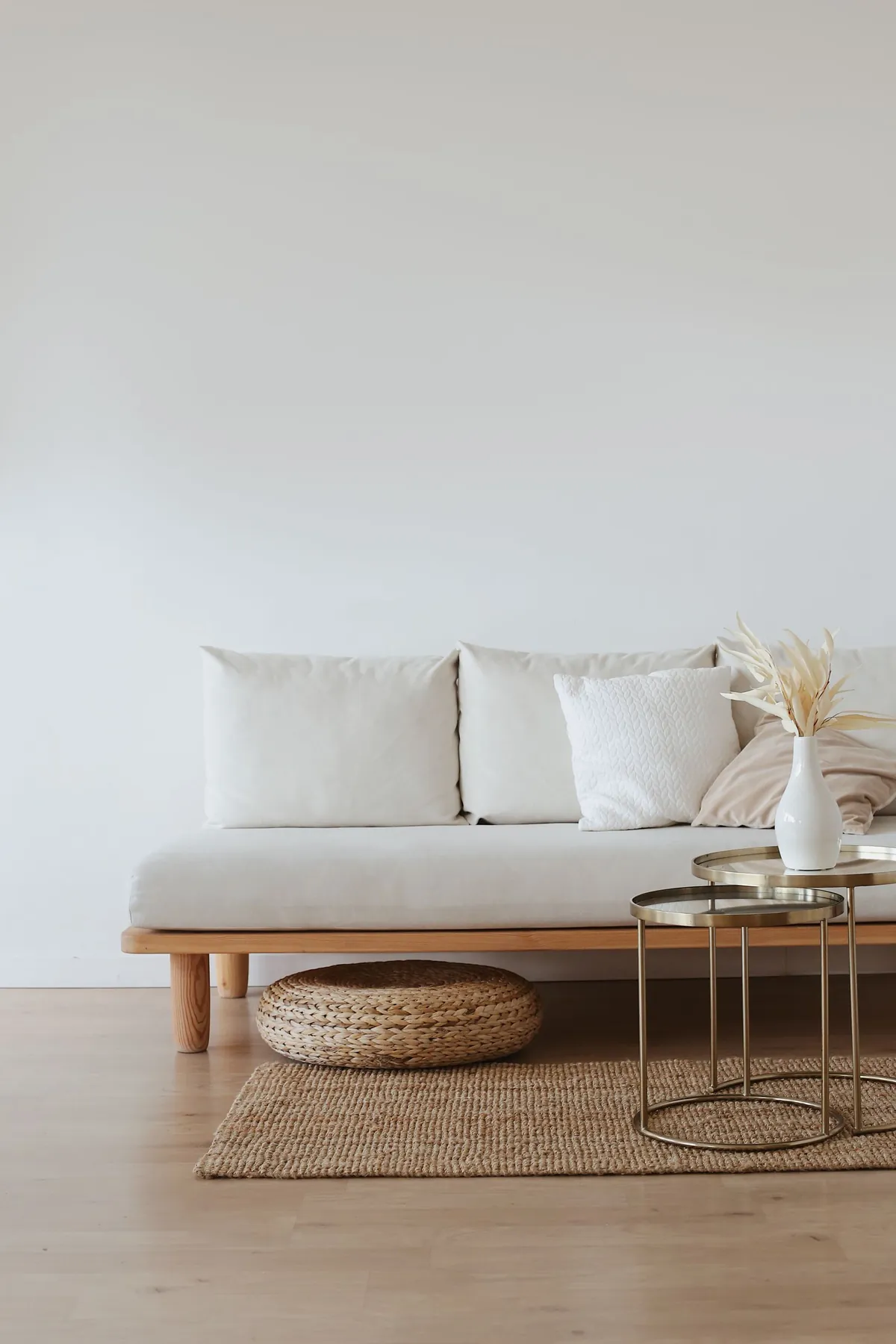
Wood is the backbone of Japandi style, so let its grain show. Light oak, ash, and birch bring airiness, while a darker walnut piece can ground a room and add depth without making it feel dark.
Try to limit yourself to two or three wood tones in one space. Mix a pale floor with a mid-toned table and a darker stool, for example, and keep finishes matte or lightly oiled so the timber looks and feels natural.
4. Use Soft, Diffused Lighting
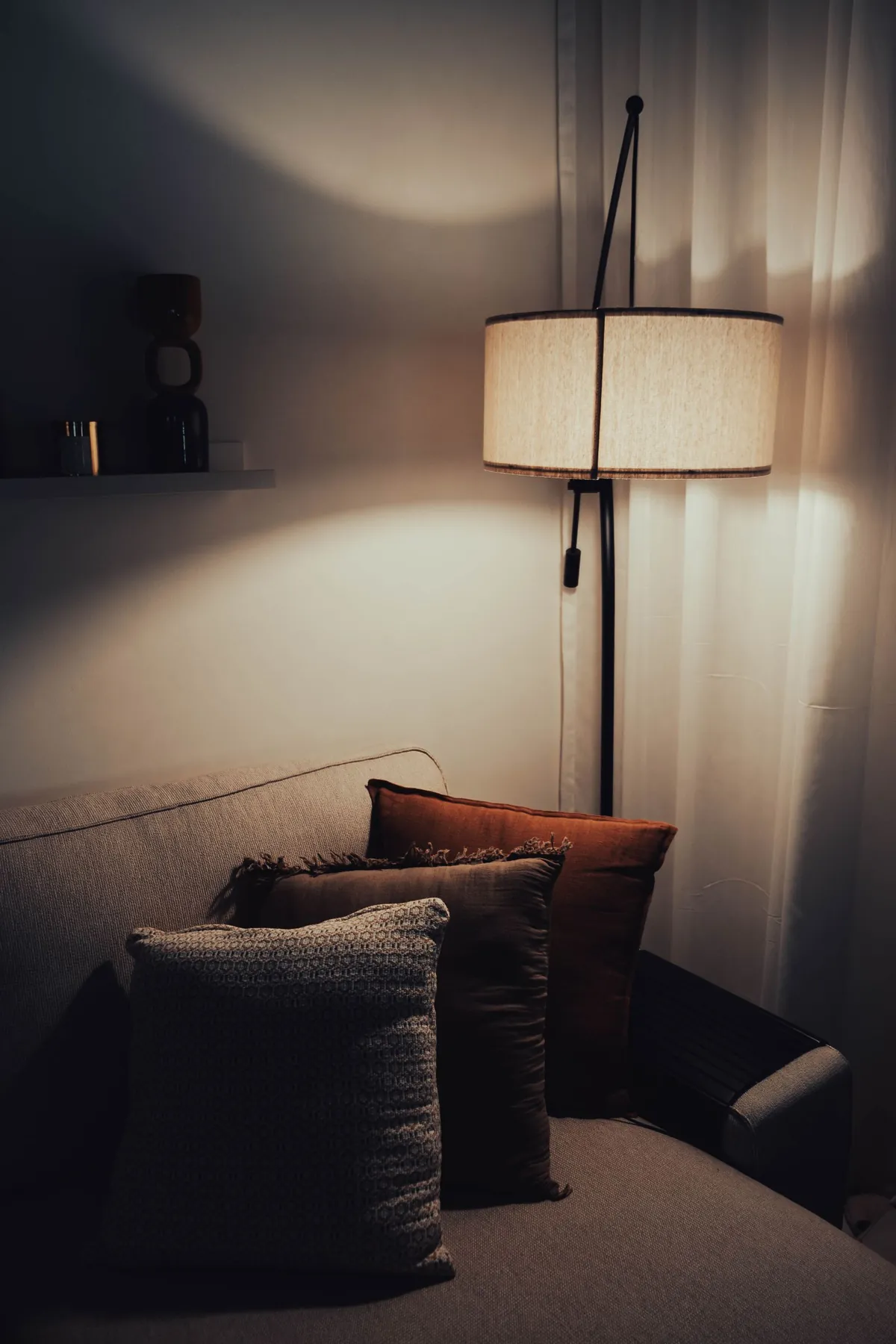
Harsh overhead light works against the calm Japandi mood. Instead, use warm lamps with fabric or paper-style shades, placed low and spread around the room so light pools gently in the places where you sit and read.
In the evening, dim the main light and let two or three small lamps do the work. The softer glow flatters wood and linen, makes shadows less sharp, and helps the room shift naturally from daytime activity to evening rest.
5. Leave Breathing Room Around Furniture
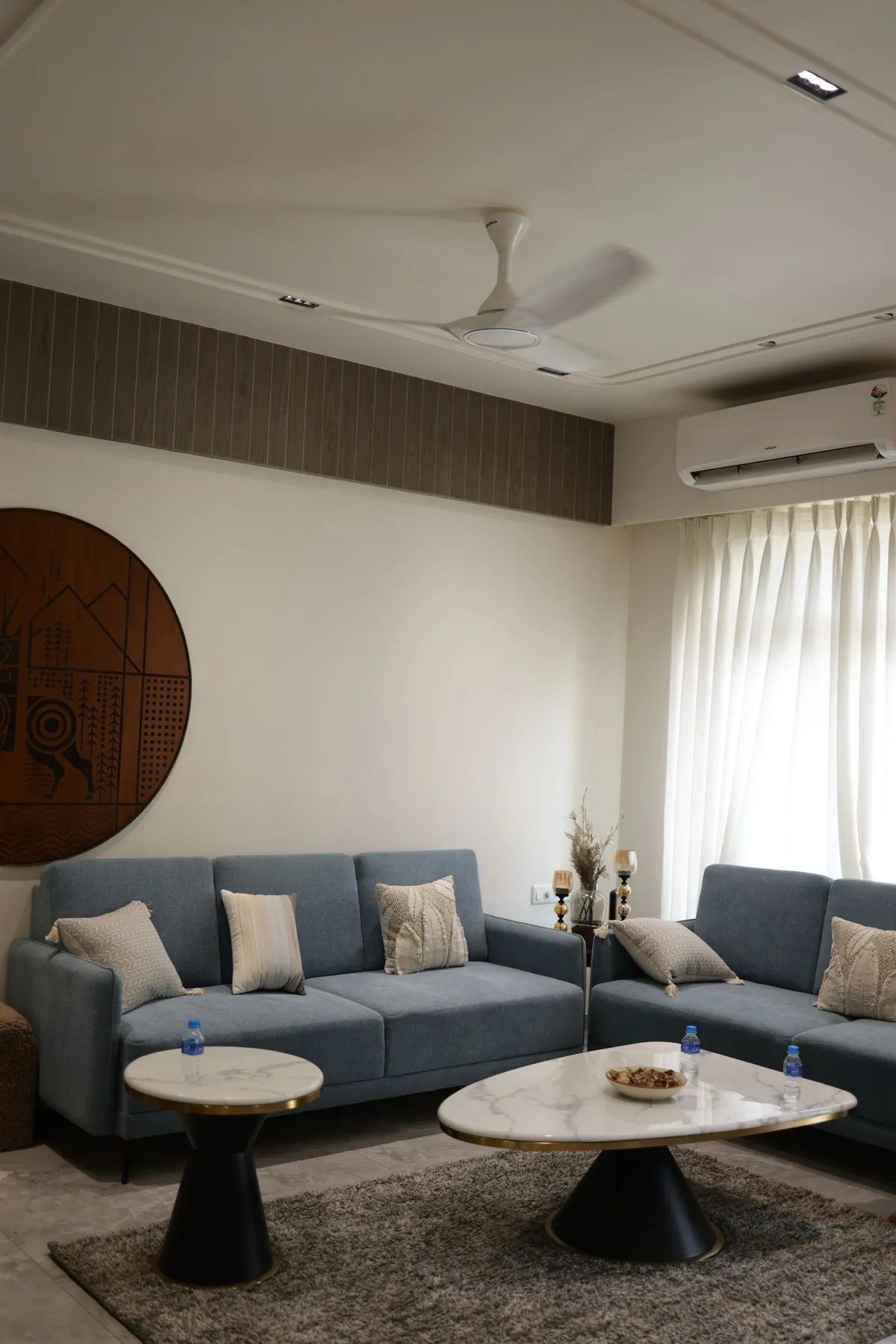
Japandi rooms need empty space to breathe. Resist filling every wall and corner, and leave clear floor around larger pieces so the eye can rest and movement feels easy.
This does not mean living with nothing. It means choosing fewer, better pieces and giving each one room to be seen. A clear stretch of wall or floor is part of the design, not a gap waiting to be filled.
6. Add Woven Rattan and Natural Texture
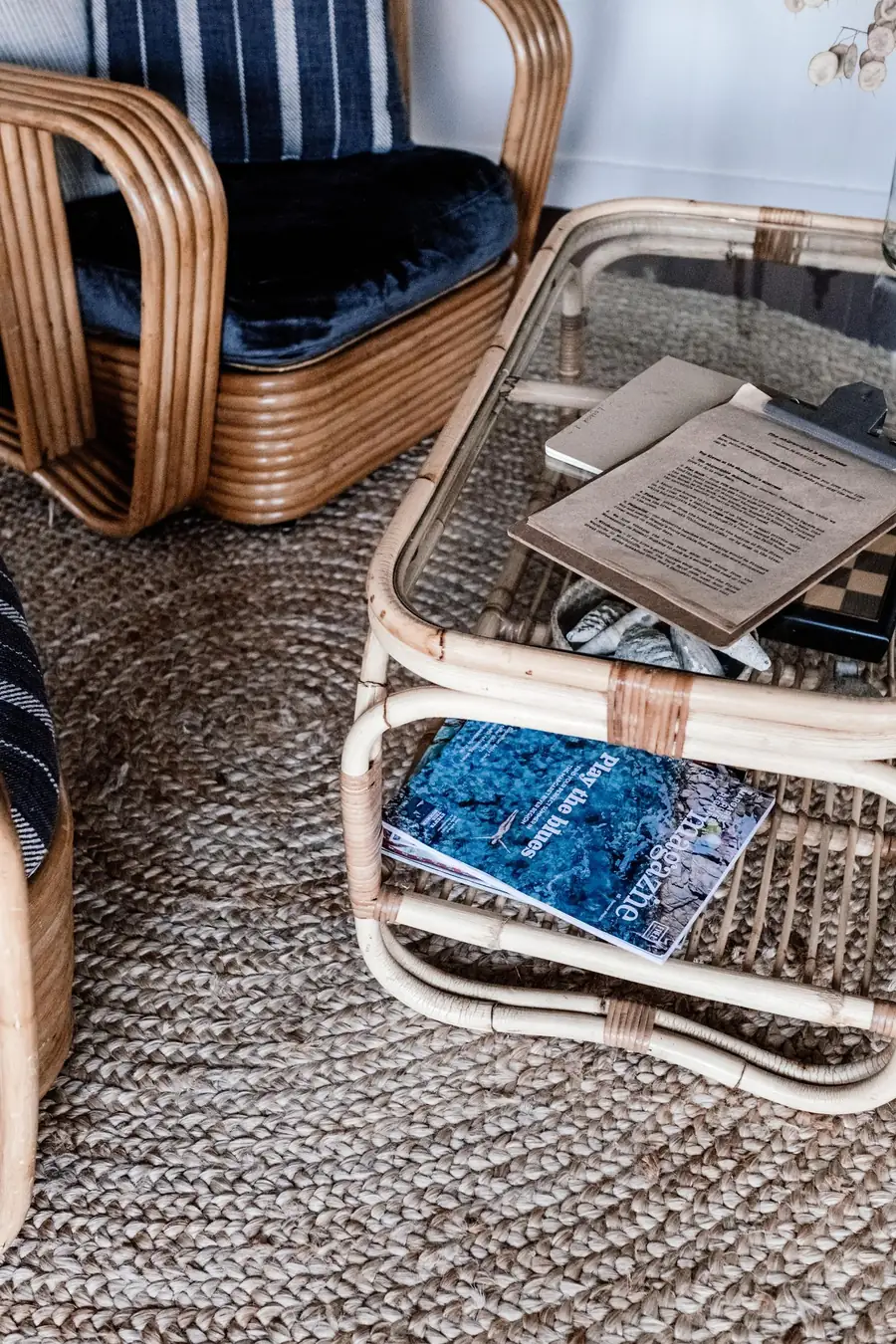
Rattan, bamboo, jute, and woven baskets add warmth and texture without adding colour or clutter. A rattan chair, a woven tray, or a basket for throws brings a handmade, organic feeling into an otherwise simple room.
Use woven pieces sparingly so they read as accents rather than a theme. One rattan chair beside a wooden table, or a single woven basket in a corner, is enough to soften hard lines and make the space feel lived in.
7. Bring in One Strong Living Plant
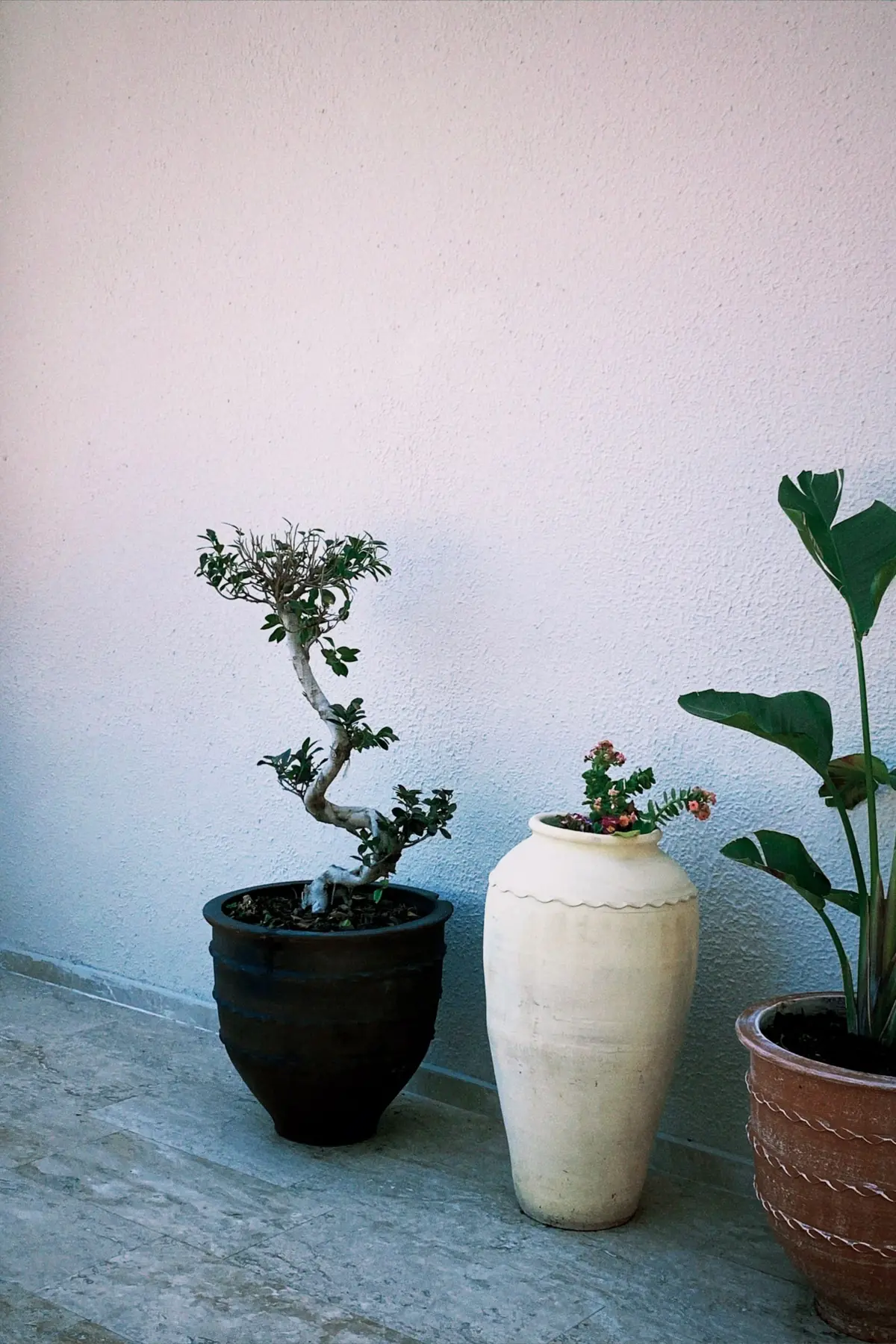
Rather than filling shelves with many small plants, choose one or two larger, healthy plants and give them pride of place. A potted tree, a bonsai-style plant, or a tall leafy plant in a simple pot connects the room to nature in a quiet way.
Keep the pot simple in clay, stone, or plain ceramic, and let the plant be the decoration. Caring for it also fits the Japandi idea of slow, mindful living, where everyday routines are part of the home’s calm.
8. Layer Linen and Cotton Softly
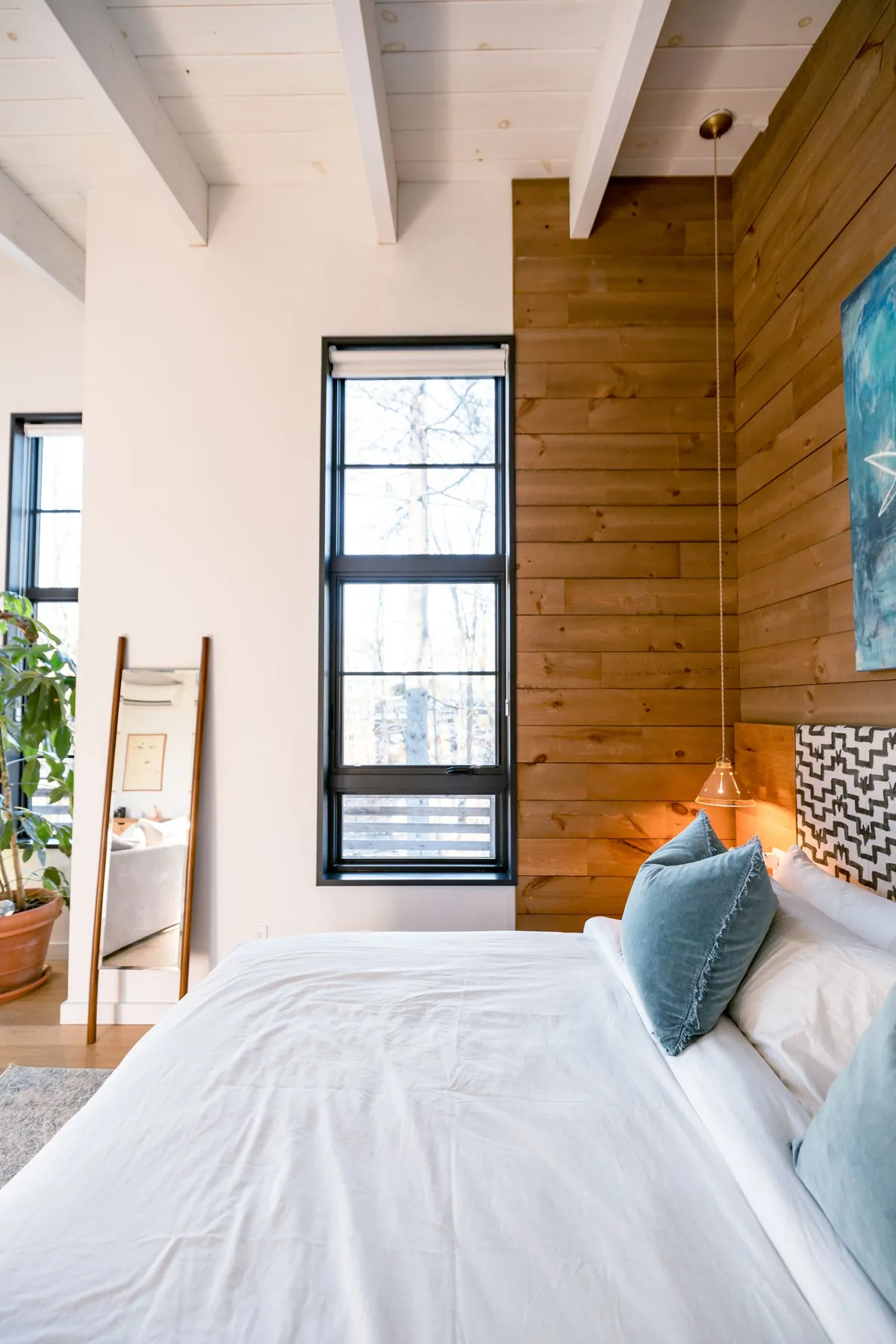
Linen and cotton bring softness to Japandi rooms without fuss. Use washed linen bedding, cotton throws, and simple cushion covers in warm neutrals, and let their natural wrinkles and texture show.
These fabrics age well and feel comfortable against the skin, which matters more than a perfectly pressed look. Layer a light throw over a bed or sofa, keep colours close to the room palette, and let texture do the decorating.
9. Style Open Shelves with Few Ceramics
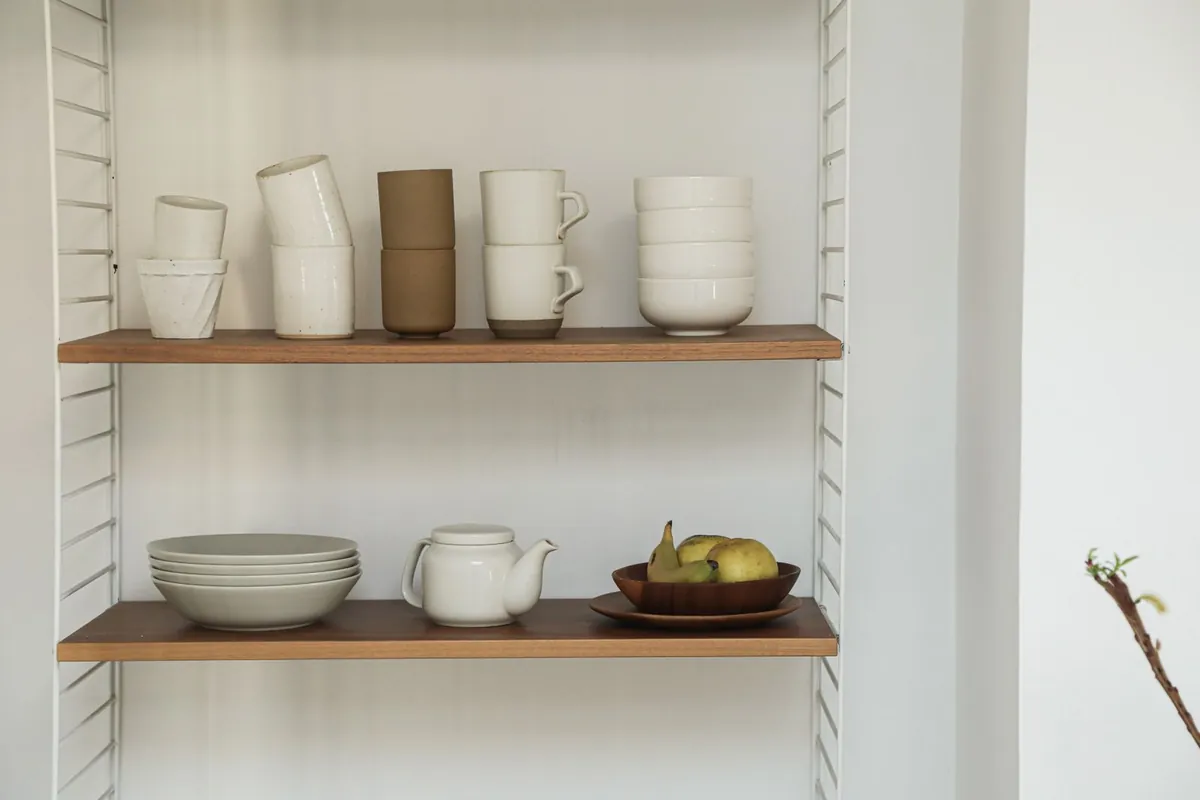
Open wooden shelves work best in Japandi homes when they hold a small, considered collection. Choose everyday ceramics in matching or closely related tones, and leave space between groups so each piece can be seen.
Avoid lining shelves edge to edge. A few bowls, cups, and a small vase, grouped with breathing room, look intentional and calm, and they make it easier to find and use what you actually reach for each day.
10. Choose Handmade Ceramics with Character
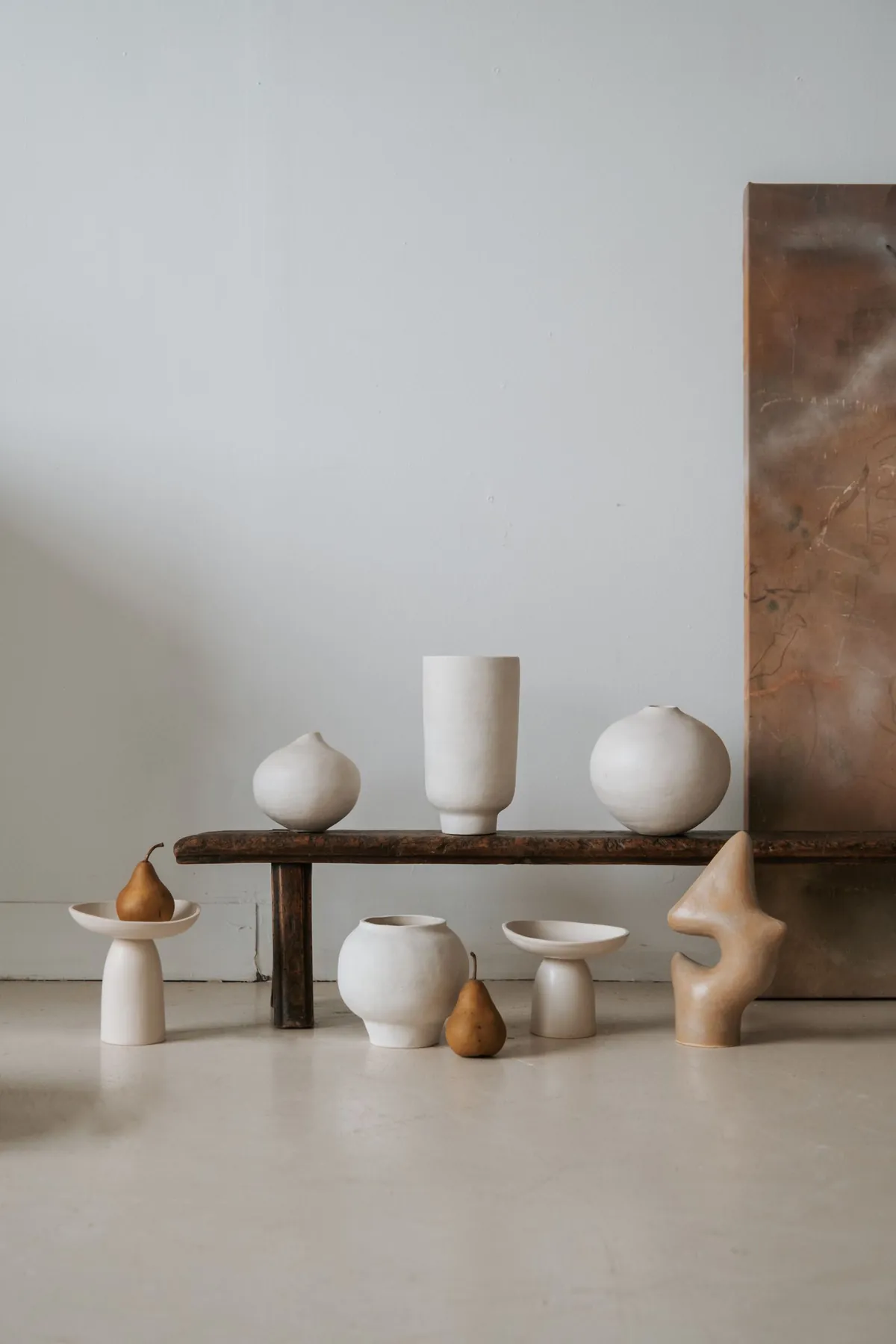
Handmade ceramics suit Japandi perfectly because they are useful, imperfect, and beautiful at the same time. A slightly uneven glaze, a visible thumbprint, or a soft speckled finish adds character that factory-perfect pieces cannot match.
Use handmade bowls, vases, and cups every day rather than saving them for display. Their quiet irregularity is the point, and it brings warmth to simple shelves, tables, and kitchen counters.
11. Add Stone and Raw Natural Materials

Stone, clay, and unpolished natural materials balance the warmth of wood with a cooler, grounding touch. A stone tray, a rough-textured vase, or a simple pebble detail can anchor a table or shelf without dominating it.
Keep these materials in their natural state where possible, with matte finishes and muted tones. The contrast between smooth wood, soft linen, and rough stone is what gives Japandi rooms their depth and tactile interest.
12. Create Low, Relaxed Seating
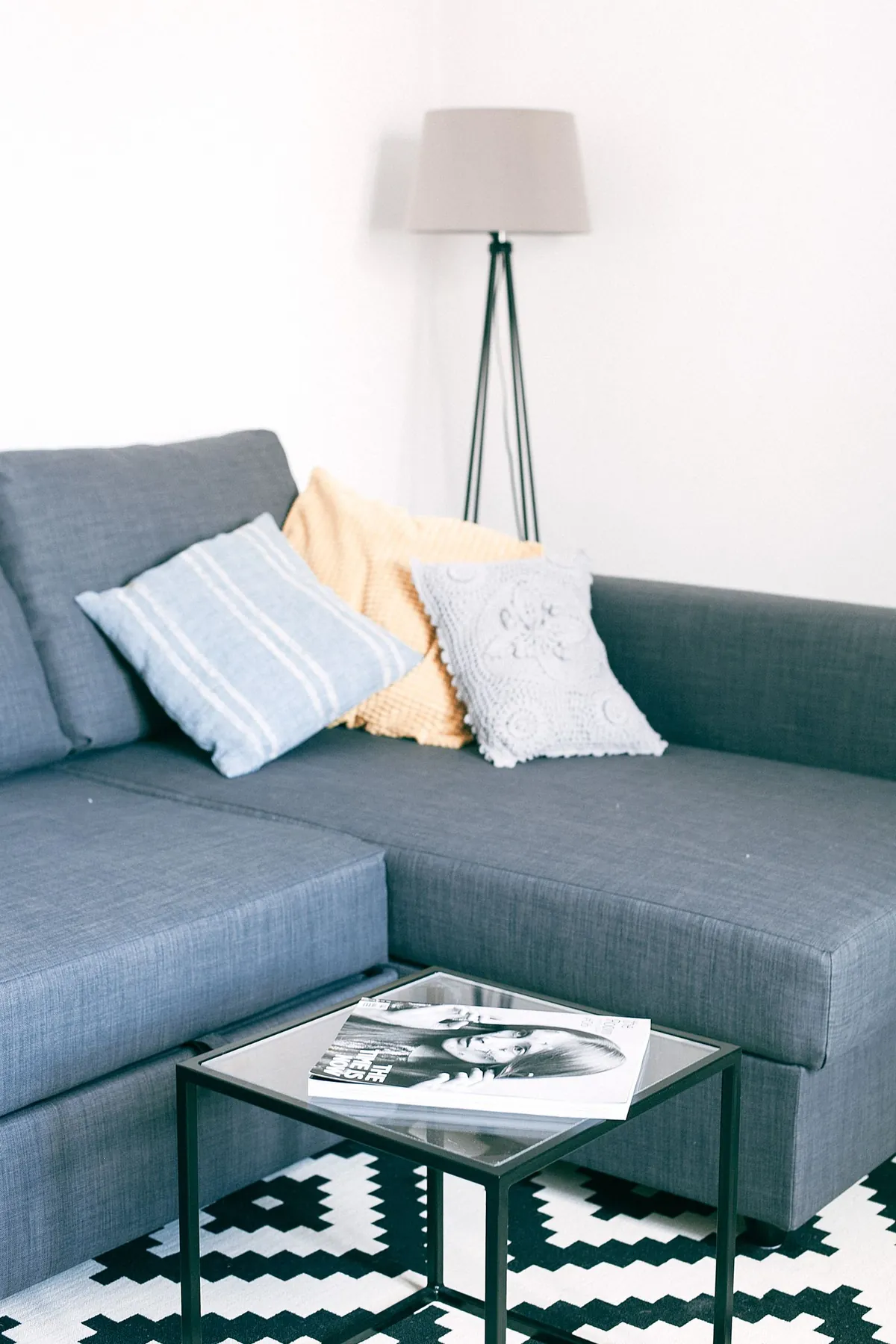
Low, relaxed seating encourages slower, more comfortable time at home. A low sofa with soft cushions, floor cushions for guests, and a small table within easy reach make a living room feel welcoming rather than formal.
Keep the arrangement open and close to the ground, with a rug to define the area. This style of seating suits conversation, reading, and quiet evenings, and it helps a room feel intimate even when it is simply furnished.
13. Try Dried Botanicals for Wabi-Sabi Charm
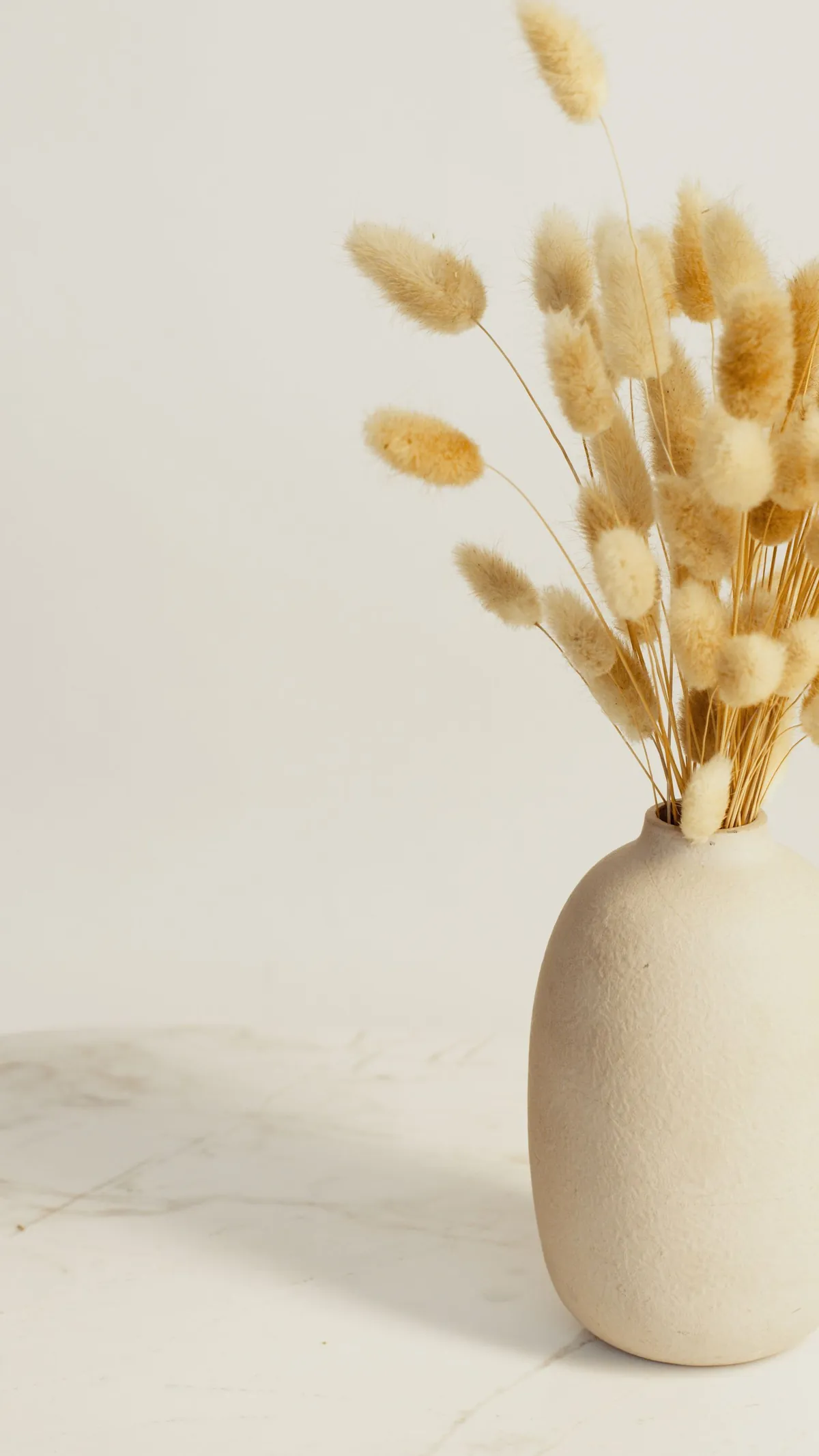
Dried grasses, branches, and flowers bring a gentle wabi-sabi feeling to a Japandi home, celebrating beauty that changes and fades naturally. A single stem in a simple vase can be more striking than a large, bright bouquet.
Choose muted, natural tones and keep arrangements sparse. Dried botanicals need little care, last for months, and suit the calm, earthy palette of the style, especially on a shelf, windowsill, or bedside table.
14. Soften Daylight with Sheer Curtains
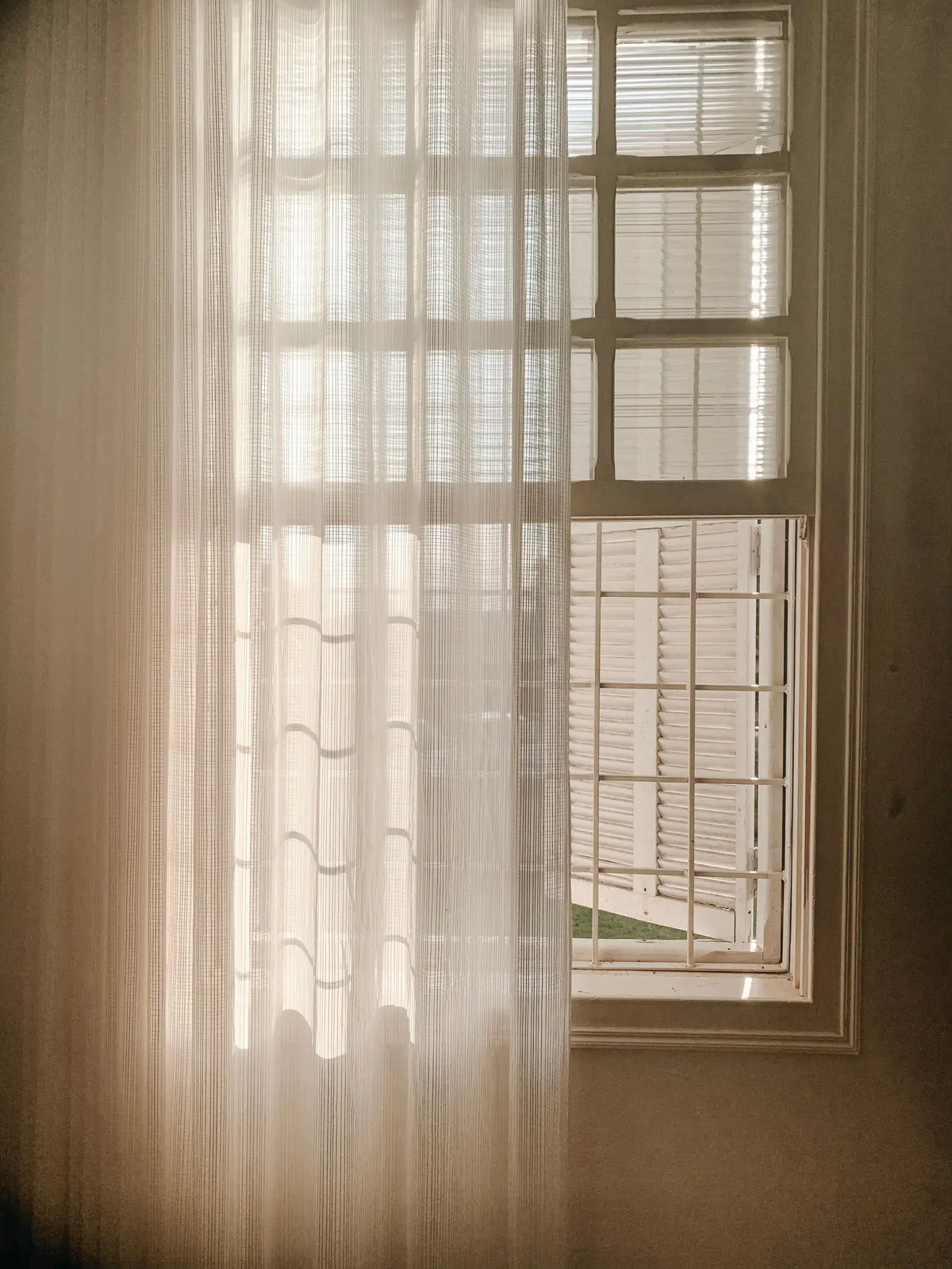
Sheer, light-coloured curtains filter sunlight into a soft, even glow, which is central to Japandi’s calm atmosphere. They give privacy without blocking daylight, so rooms stay bright but never harsh.
Hang sheers simply, with no heavy pelmets or fussy tiebacks, and let them fall to the floor. During the day they soften the view outside, and in the evening they glow gently when a lamp is on inside.
15. Make the Entryway Calm and Useful
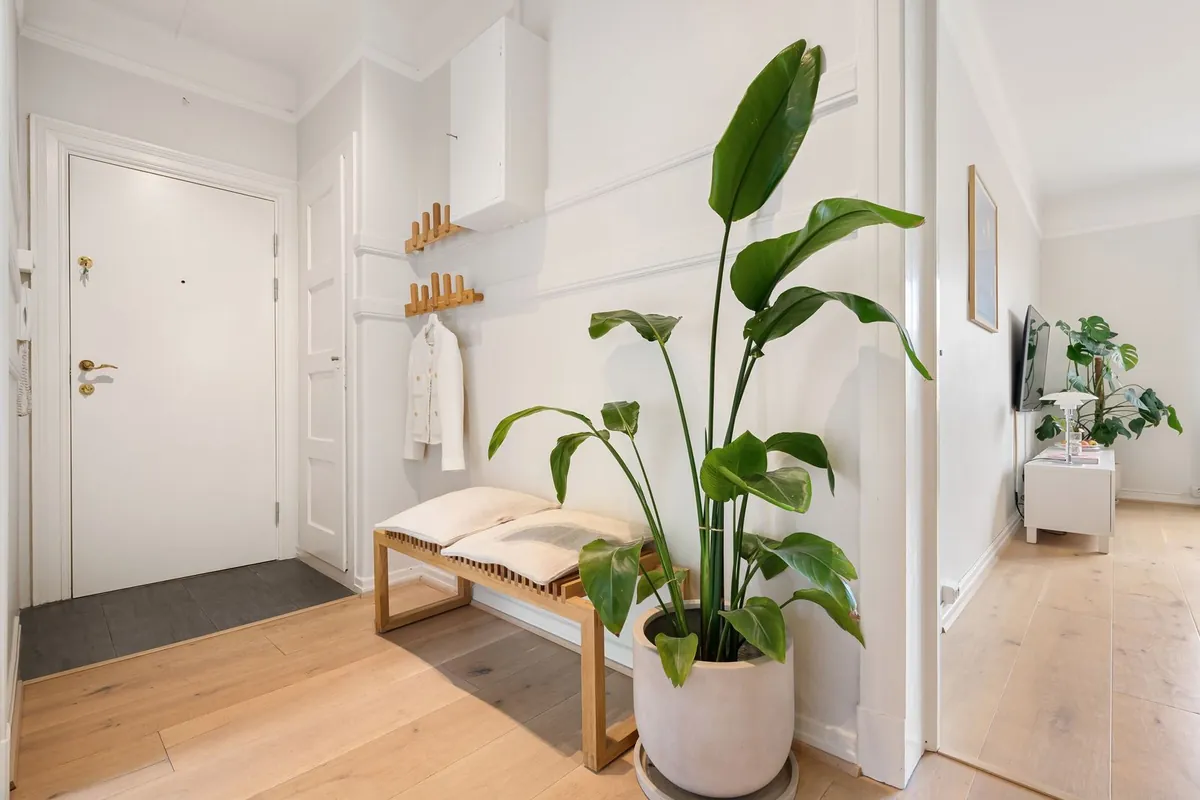
A Japandi entryway sets the tone for the whole home. Keep it simple with a wooden bench, a place for shoes, a hook or two for coats, and one plant or vase, so arriving home feels orderly rather than chaotic.
Hidden or tidy storage matters here more than decoration. When shoes, bags, and keys each have a home, the hallway stays clear, and the calm of the rest of the house begins at the front door.
16. Finish with a Quiet Corner to Sit and Pause
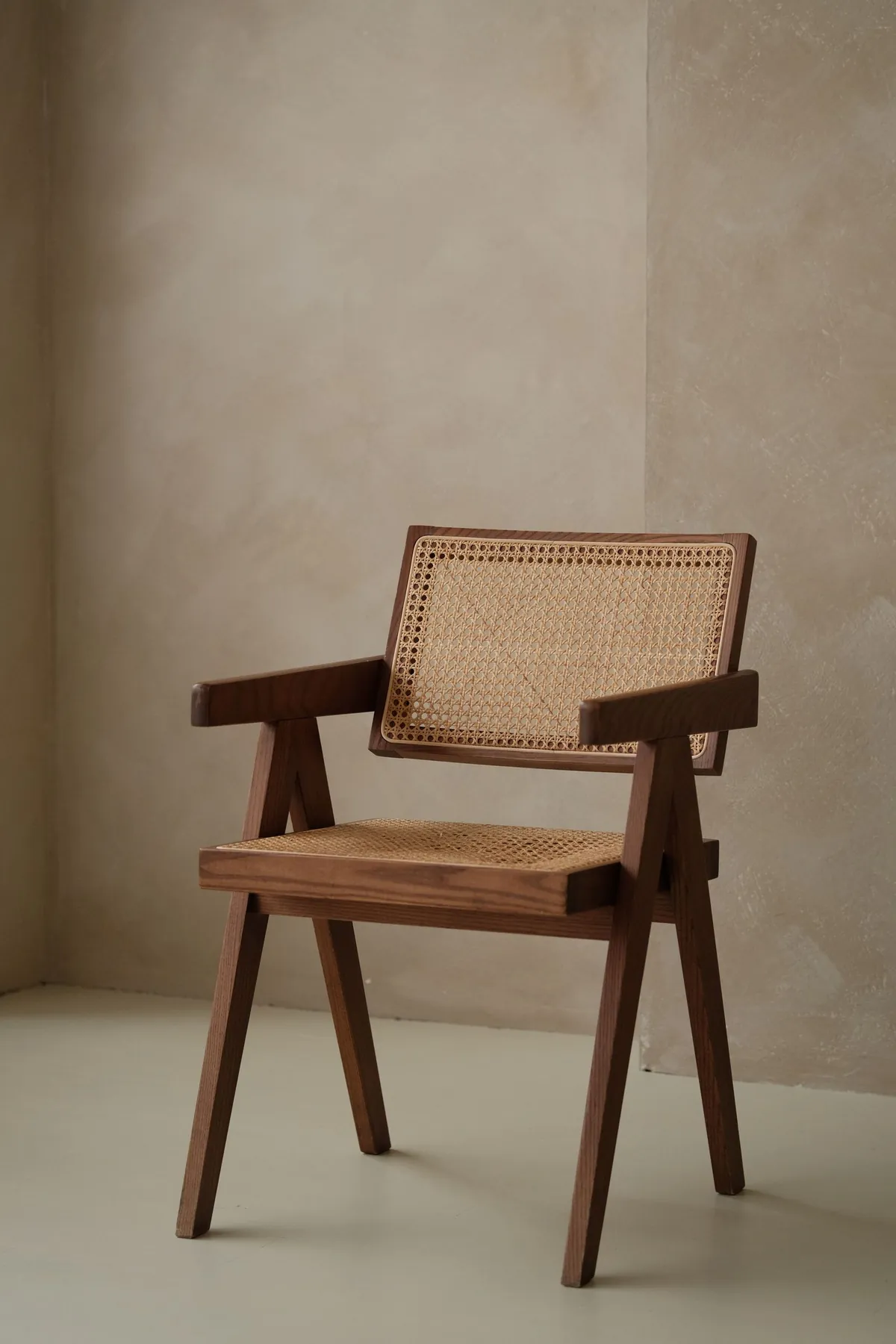
Every Japandi home benefits from one quiet corner made for pausing. A comfortable chair, a small side table, a lamp, and a book are all it needs, placed near a window or in a calm corner away from screens.
This corner is not a showpiece, but a daily habit. A few minutes there in the morning or evening, with a warm drink and no rush, turns the style from a look into a way of living at home.
Japandi style is less about buying a particular set of objects and more about choosing calmly, keeping what is useful and beautiful, and leaving room to breathe. Warm neutrals, natural wood, soft light, and a few handmade pieces will take a home most of the way there.
Start with one room, or even one idea, and let the style grow slowly. The best Japandi homes feel settled and personal, shaped over time by the people who live in them.
Leave a Reply