
A beautiful home is rarely about expensive furniture or a perfect room. It is about small, thoughtful choices that make a space feel balanced, welcoming, and personal. When the colours work together, the light feels warm, and every object has a reason to be there, a room simply feels right.
The ideas below are simple styling principles anyone can use, in any home and on any budget. You do not need to redecorate from scratch. Start with one idea, see how your room responds, and build from there until your home looks and feels the way you want it to.
1. Start with One Clear Focal Point
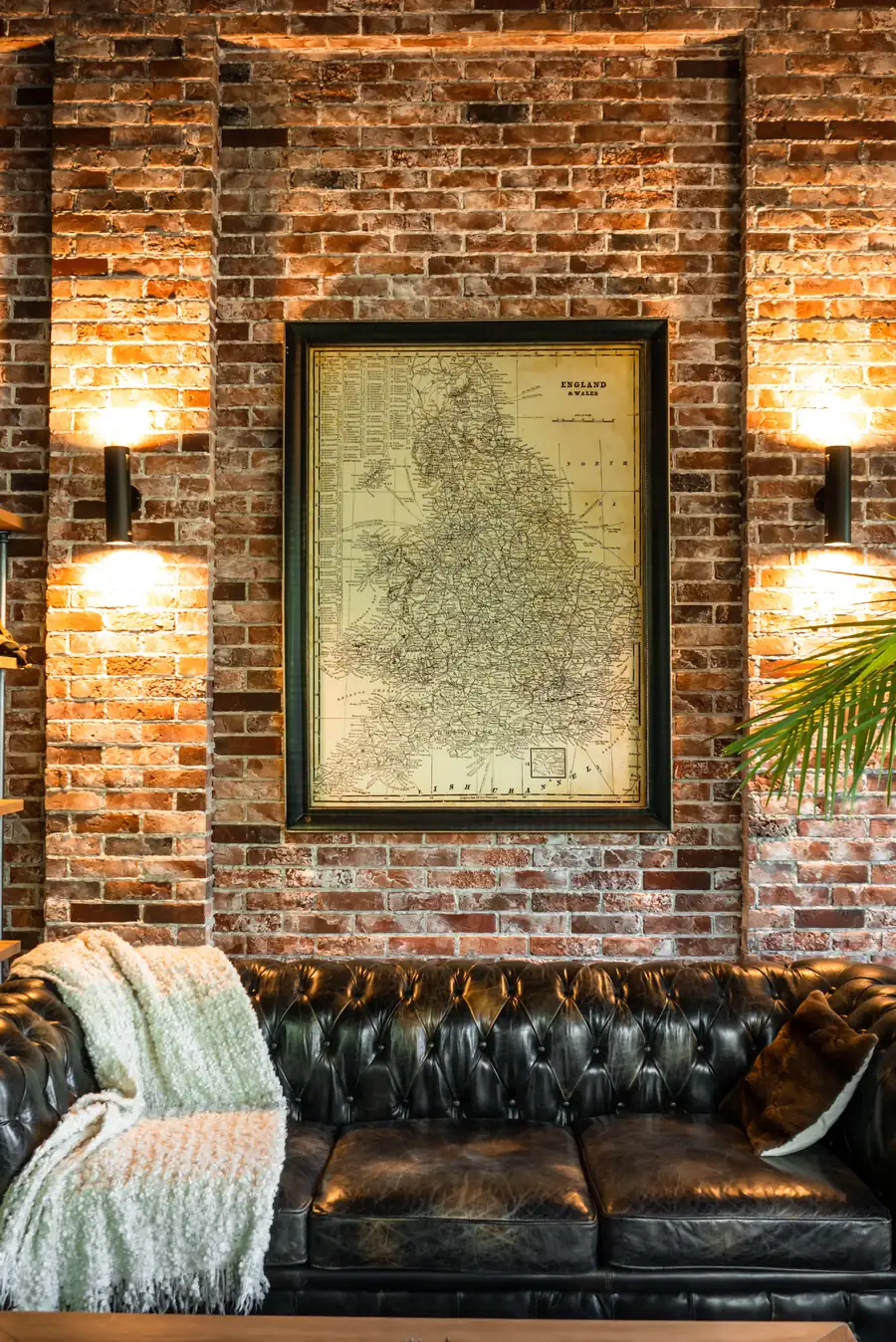
Every well-styled room has one place the eye lands first. It might be a sofa, a fireplace, a large window, or a piece of art. Once you know your focal point, arrange the rest of the room to support it rather than compete with it.
This single decision makes styling much easier. Furniture faces the focal point, colours echo it, and accessories stay in the background, so the room feels calm and intentional instead of busy.
2. Layer Lighting at Three Heights
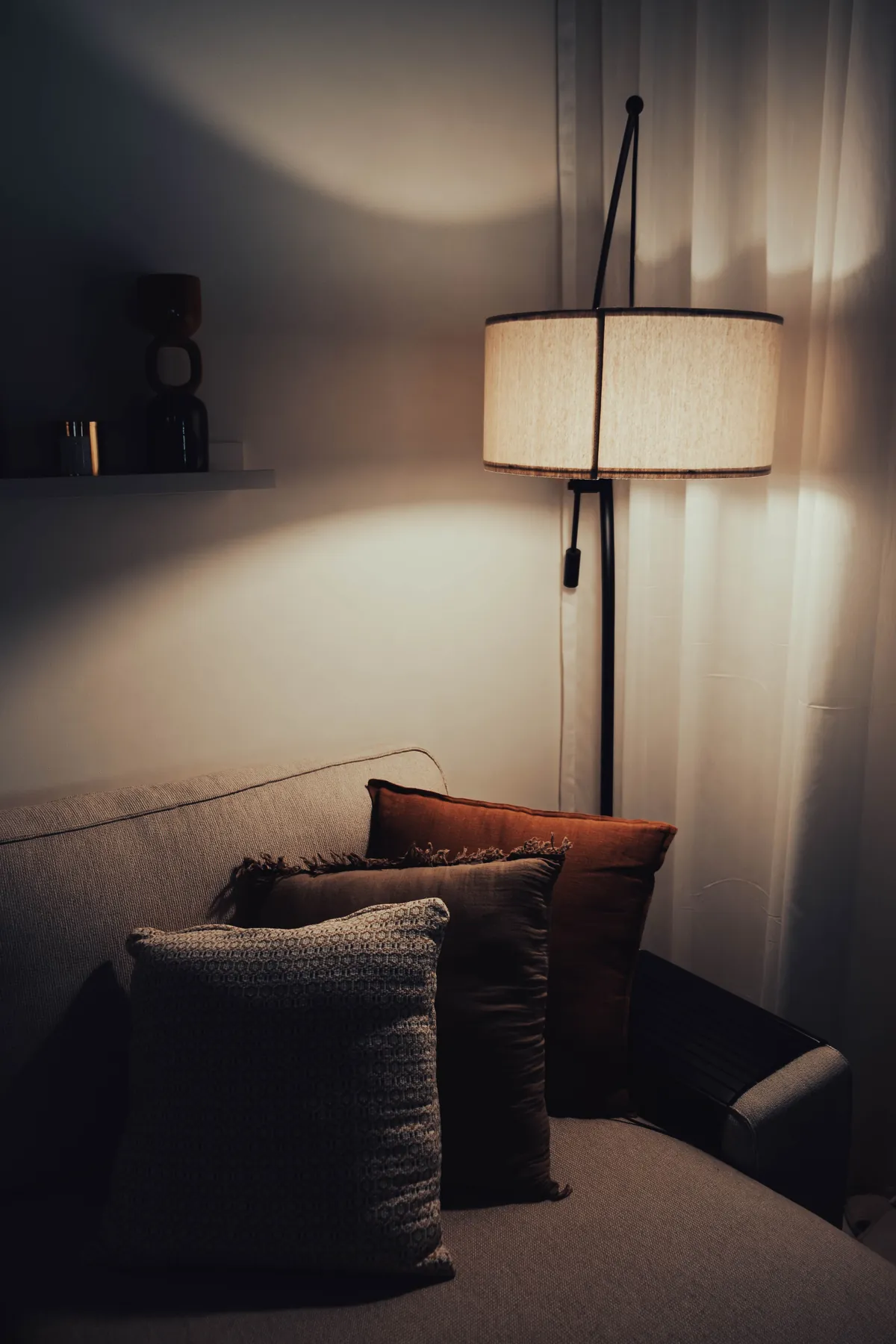
One ceiling light is rarely enough to make a room feel warm. Instead, layer light at three heights: overhead light for general brightness, table and floor lamps at mid-height for warmth, and small accent lights, such as candles or picture lights, for glow.
Different heights create pools of light that make a room feel deeper and more inviting. Use warm bulbs in the evening, and put lamps on dimmers where you can, so the mood can change from bright daytime to relaxed evening.
3. Keep a Consistent Colour Palette
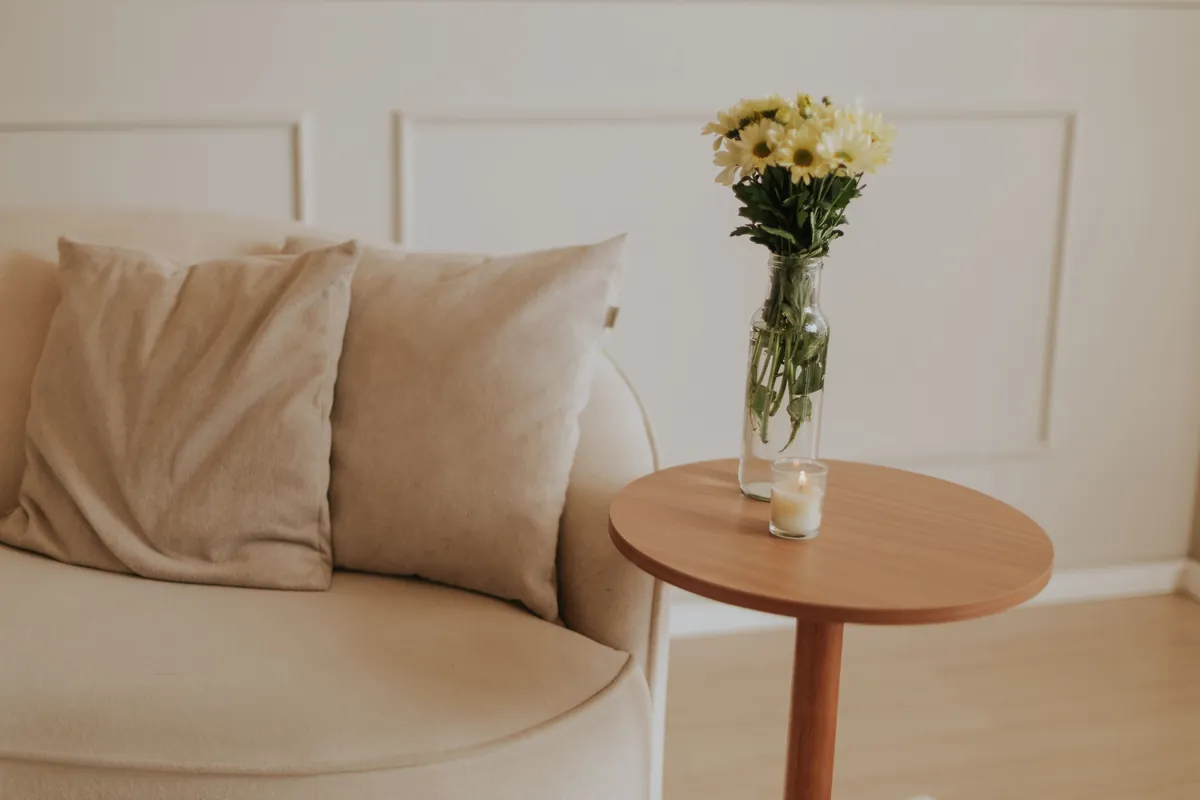
Choose three or four colours and repeat them through the room. A calm base colour, such as warm white or soft beige, can cover walls and large furniture, while one or two accent colours appear in cushions, art, and small accessories.
A limited palette stops a room from feeling scattered, even when styles and textures vary. If you fall in love with a new colour, add it in small touches first, and see whether it earns a bigger place in the room.
4. Mix Textures, Not Just Colours
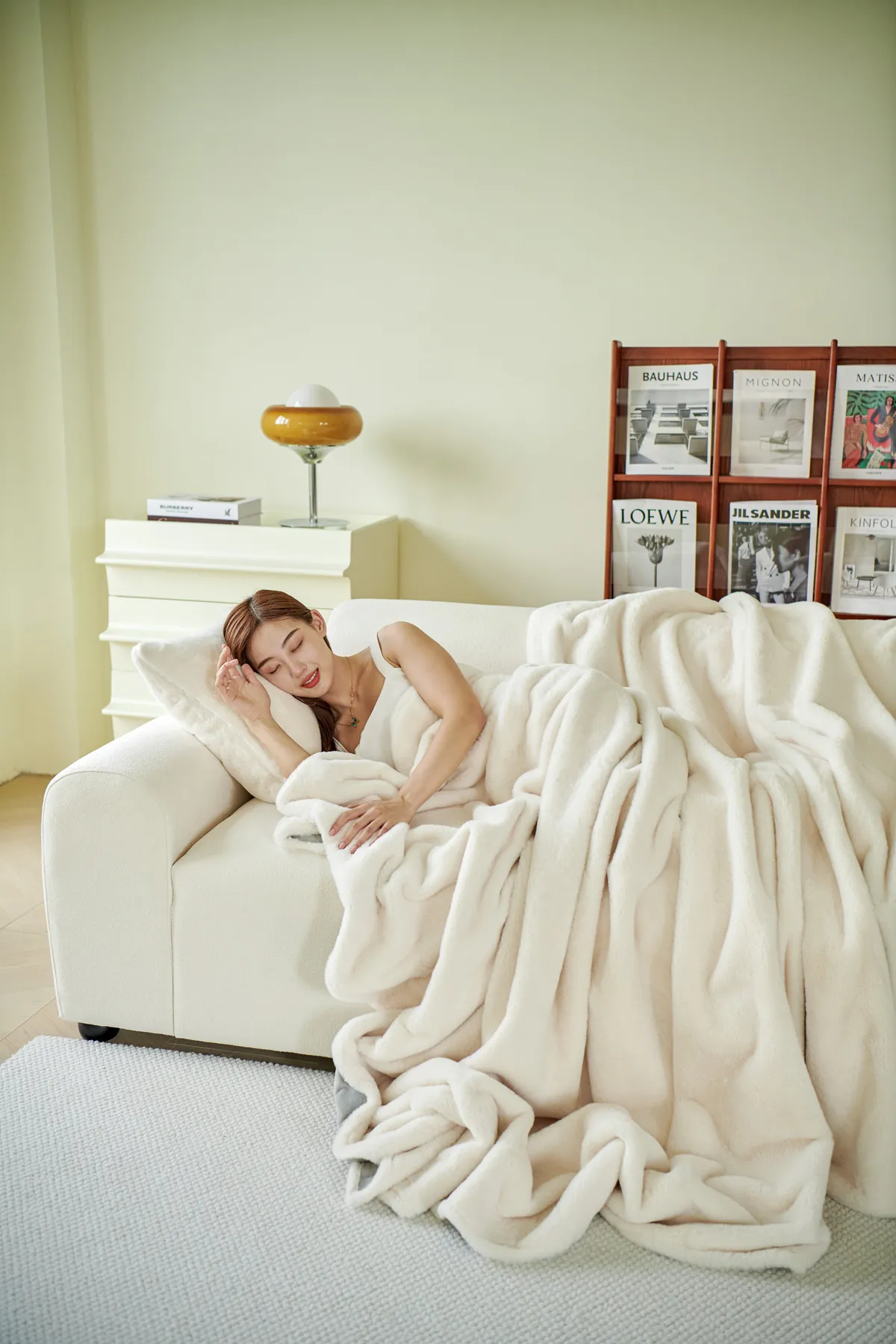
If a room feels flat, texture is usually the missing ingredient. Pair smooth surfaces with rough ones: a linen sofa with a chunky knit throw, a glass table with a woven basket, or a velvet cushion against a wooden chair.
Texture gives the eye something to explore and makes a room feel richer without adding colour or clutter. Aim for contrast in every seating area, and let touchable materials do much of the decorating work.
5. Style Shelves in Odd Groups
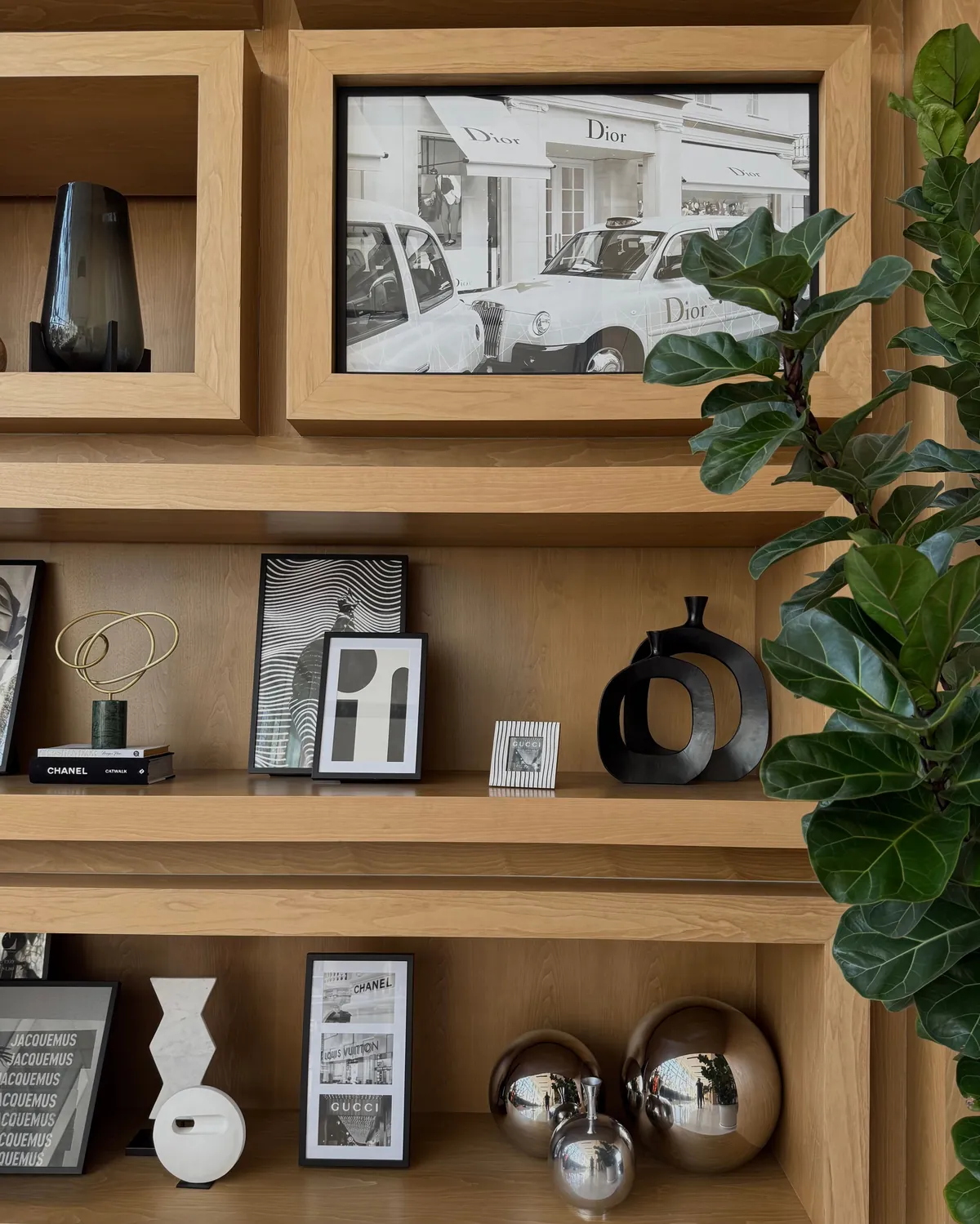
Shelves look best when objects are grouped in odd numbers, usually threes or fives. Start with books, then add a vase, a small plant, or a decorative object, and vary the heights so the arrangement has a gentle rhythm.
Leave some empty space on each shelf. Breathing room lets each object stand out, and it stops a shelf from looking like storage. Step back often while styling, and remove anything that does not add to the group.
6. Go Big with One Piece of Art
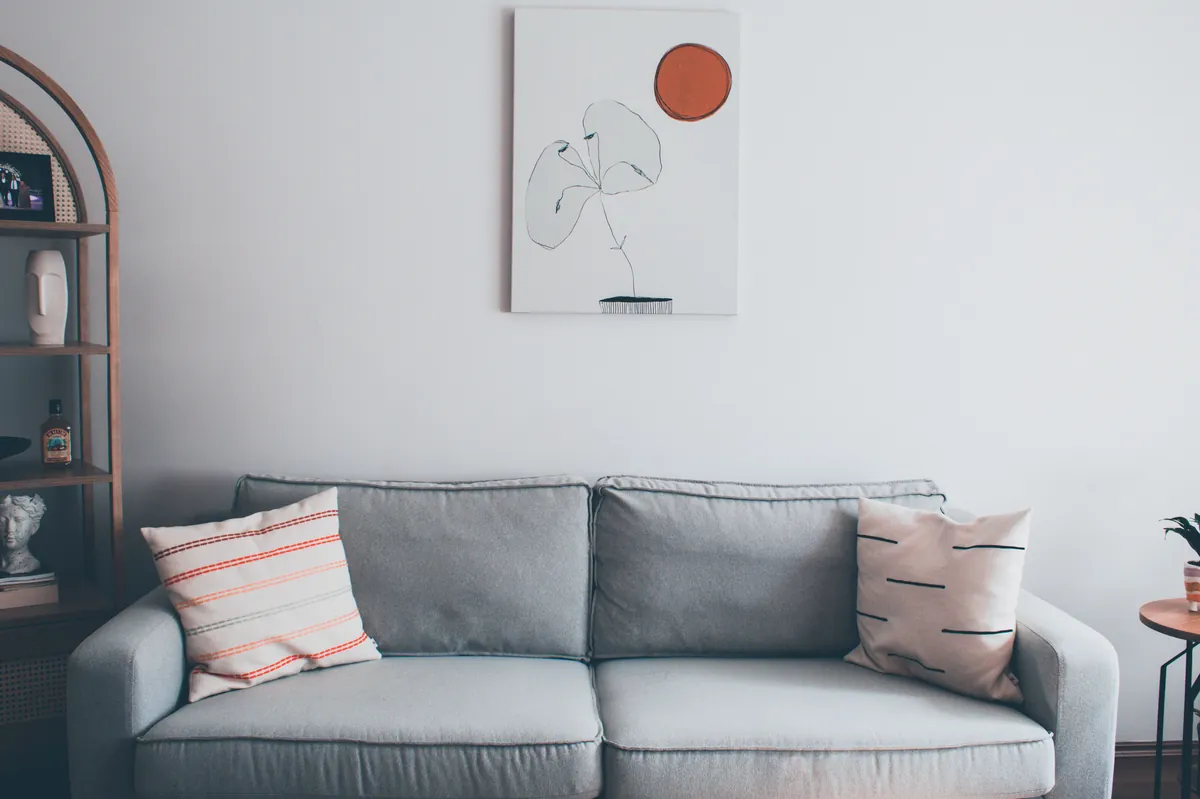
One large piece of art makes a stronger statement than many small frames scattered across a wall. Choose a print or painting that is roughly two-thirds the width of the furniture below it, and hang it at eye level.
Large art anchors a wall and gives a room confidence. It also simplifies decisions, because the colours in the artwork can guide your cushion, rug, and accessory choices throughout the space.
7. Let a Rug Ground the Room
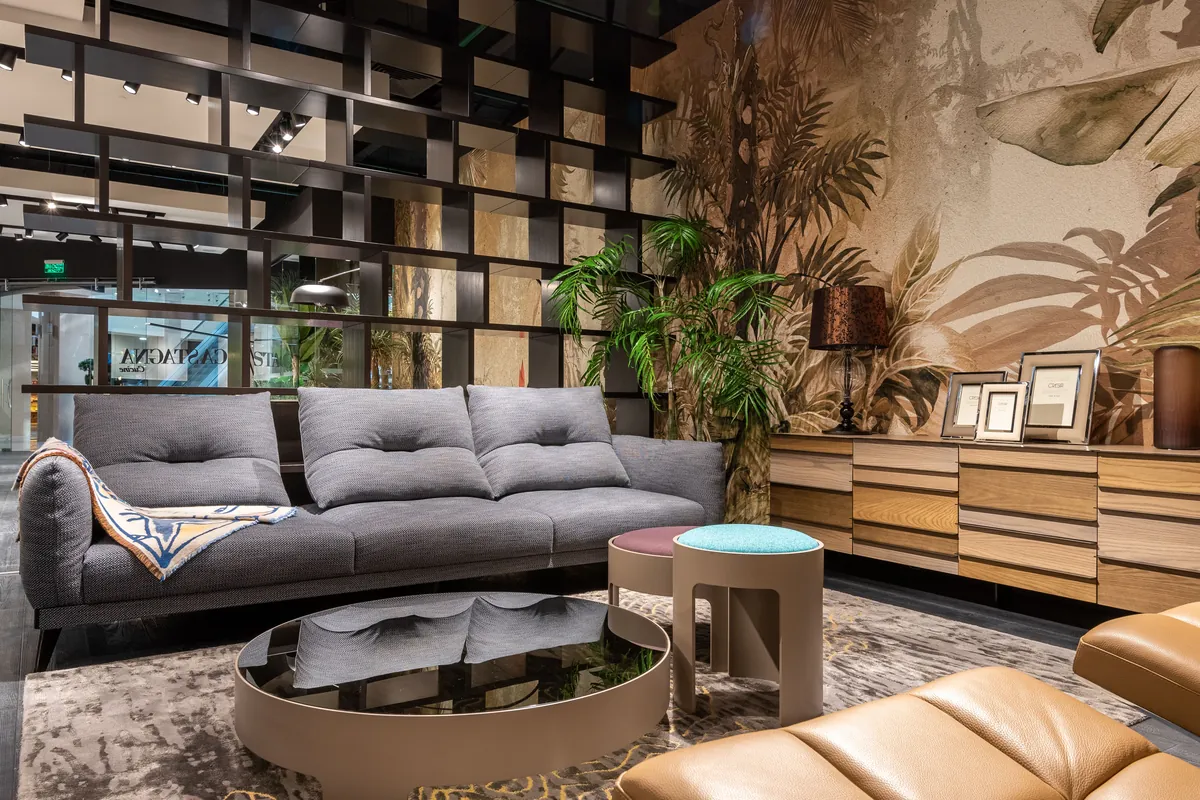
A rug defines a seating area and pulls separate pieces of furniture into one group. Choose a rug large enough for at least the front legs of the sofa and chairs to rest on it, and leave a border of bare floor around the edges.
Too small a rug makes furniture look as if it is floating apart, while the right size makes the whole arrangement feel settled. A patterned rug can hide everyday wear, while a plain rug lets colourful furniture take centre stage.
8. Add Greenery at Different Heights
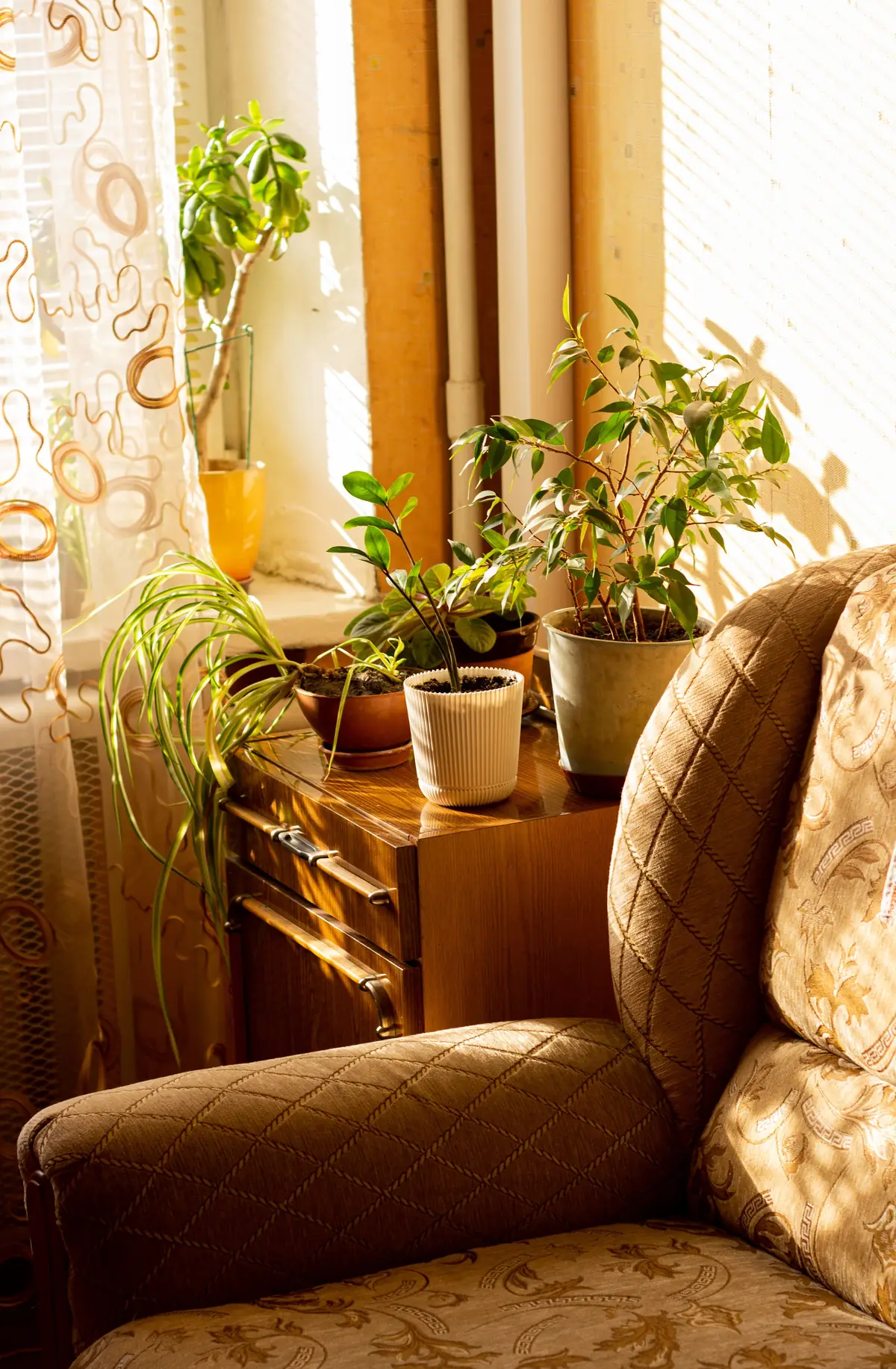
Plants bring life, colour, and softness to a room, and they work best at different heights. Try a tall plant in a corner, a trailing plant on a shelf, and a small potted plant on a table, rather than lining them all up on one windowsill.
Greenery also softens hard furniture and straight lines. Choose plants that suit your light and routine, and use simple pots in matching tones so the plants, not the containers, get the attention.
9. Swap Cushions with the Seasons
Cushions are the easiest and cheapest way to refresh a room. Keep your sofa in a neutral colour, then change cushion covers with the seasons: lighter linen in summer, richer velvet or wool in colder months.
This small swap changes the whole mood of a room in minutes. Store out-of-season covers in a basket or box, and choose one accent colour per season so the change feels deliberate rather than random.
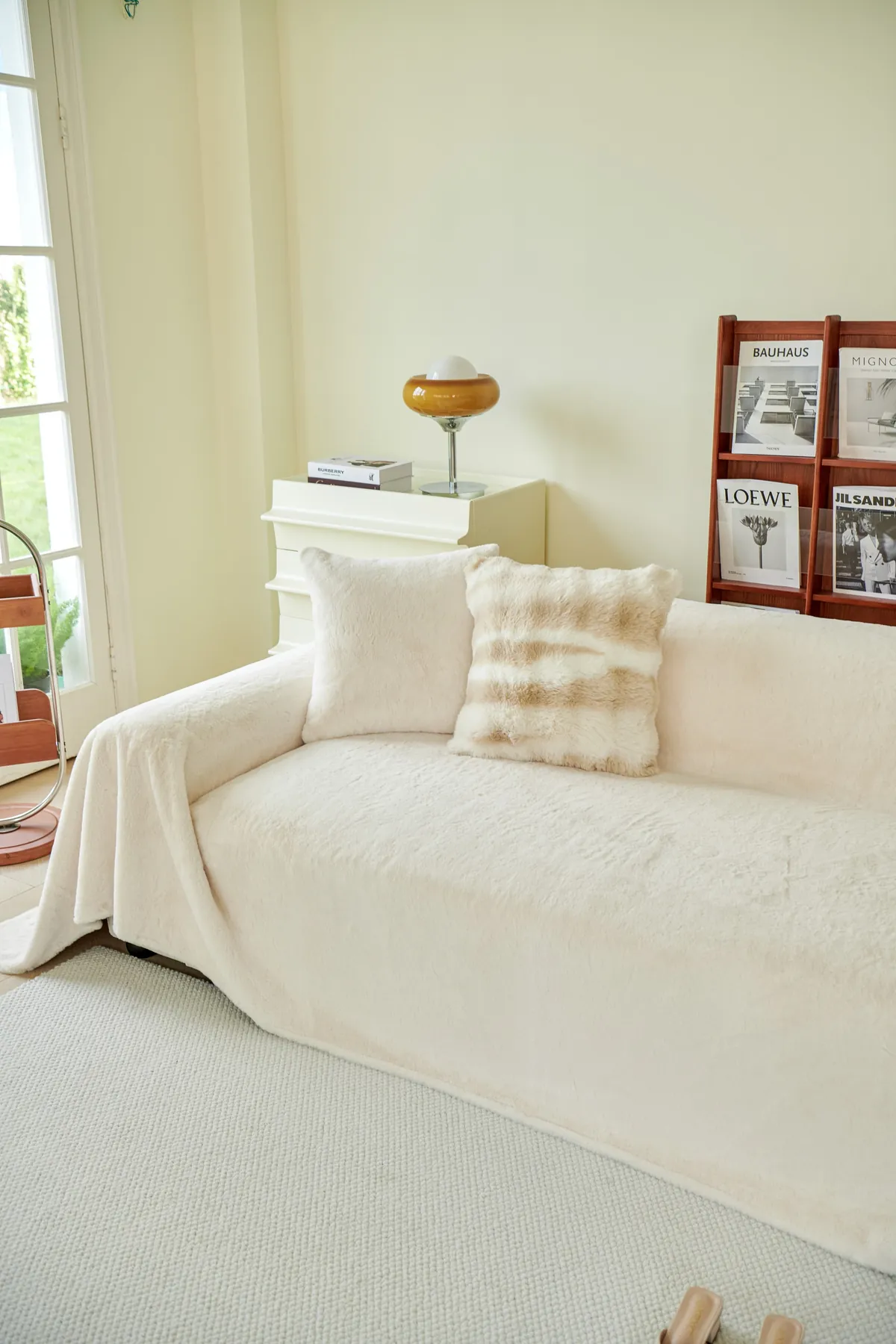
10. Use Mirrors to Open Up a Room
A mirror reflects light and views, making a small or dark room feel larger and brighter. Hang a large mirror opposite a window, or group small round mirrors on a wall where they can catch daylight.
Mirrors work best when they reflect something pleasant, such as a window, a plant, or a piece of art. Keep the frame simple and in keeping with the room, so the mirror adds space without becoming a distraction.
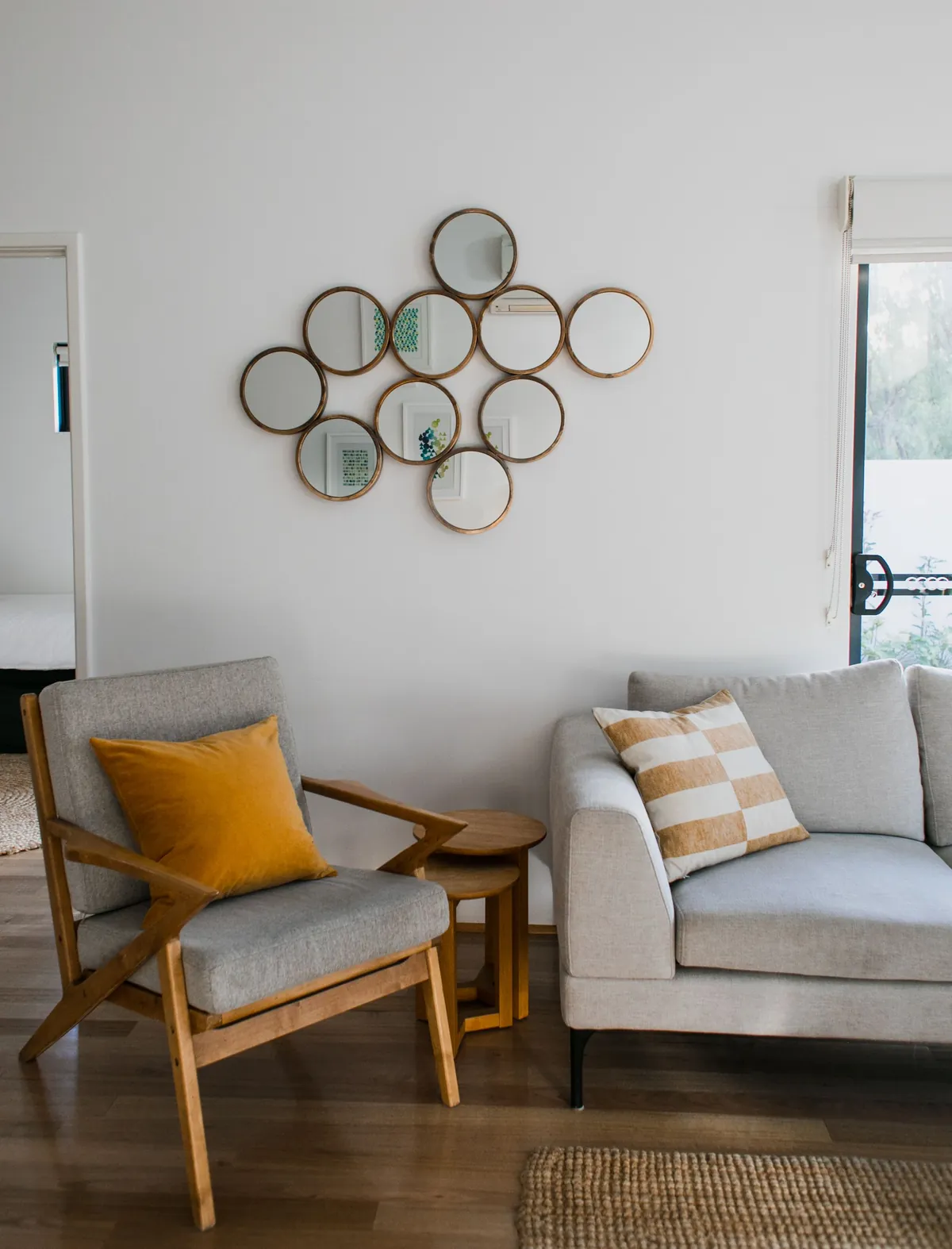
11. Display Personal Pieces with Meaning
A home feels personal when it shows something about the people who live there. Choose a few meaningful pieces, such as framed photographs, travel finds, or handmade items, and give them a proper place on a wall or shelf.
The key is editing. A small, well-chosen display tells a story, while every souvenir on every surface just looks cluttered. Rotate personal pieces through the year, so the display stays fresh and each item gets its moment.
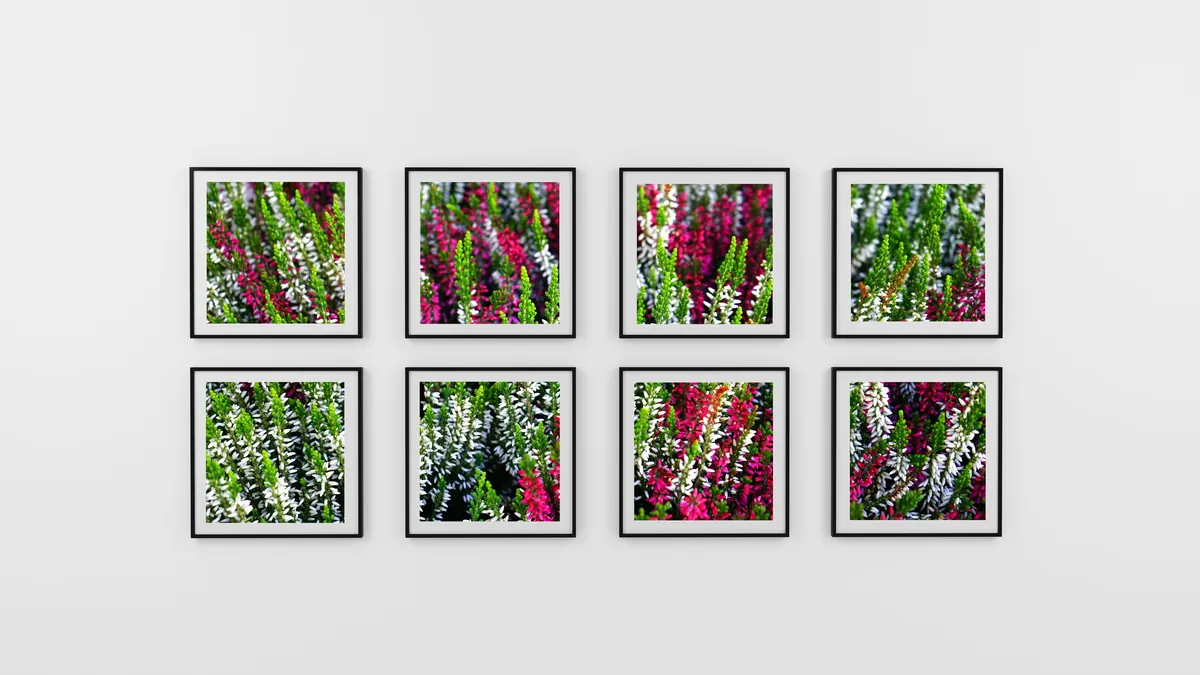
12. Mix Old and New with Confidence
A room made entirely of new furniture can feel like a showroom, while a room of only old pieces can feel heavy. Mixing the two creates character: pair a vintage wooden sideboard with a modern sofa, or an antique lamp with a contemporary chair.
To keep the mix harmonious, repeat one element across eras, such as a wood tone, a metal finish, or a colour. The shared detail ties old and new together, and the room feels collected over time rather than bought in one day.
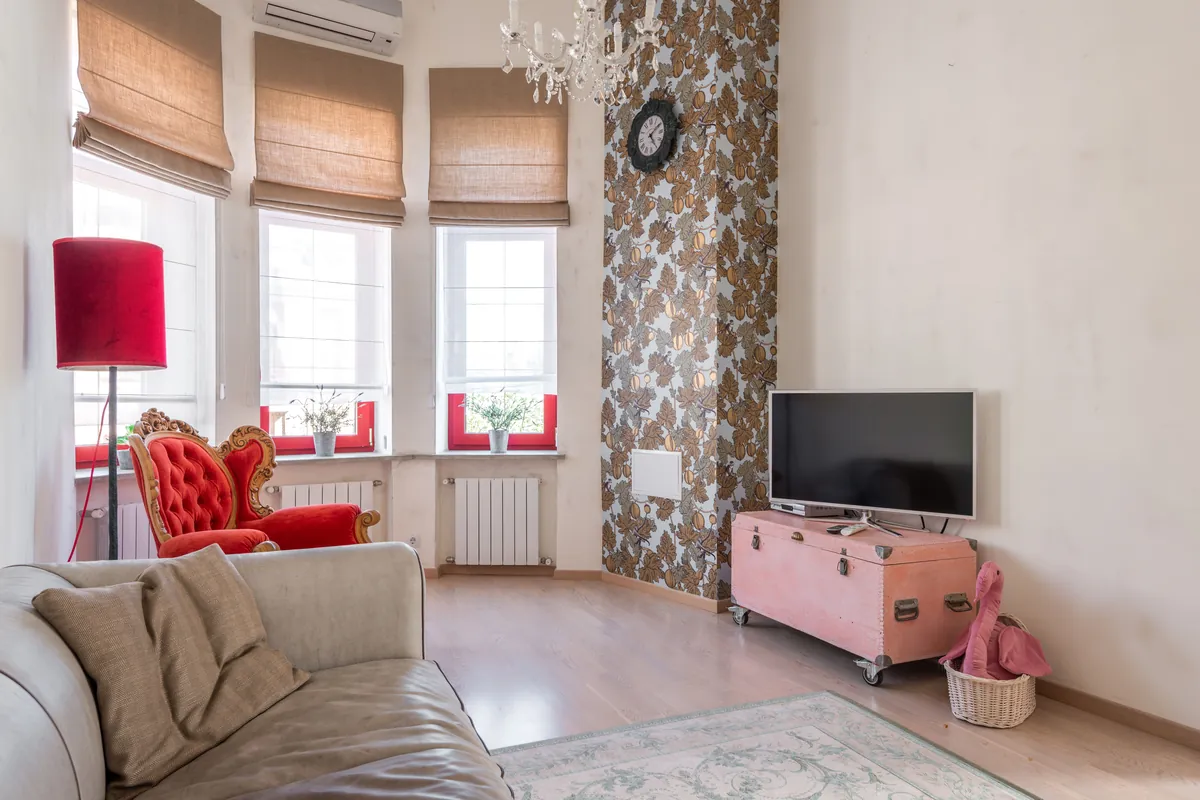
13. Style the Coffee Table with a Tray
A tray turns a coffee table from a cluttered surface into a styled one. Place a tray in the centre, then arrange three items inside it: something tall, such as a vase or candle, something flat, such as a stack of books, and something living, such as a small plant.
The tray keeps small items together and leaves the rest of the table free for everyday use. When you need the surface, you can lift the whole tray away in one movement and put it back just as easily.
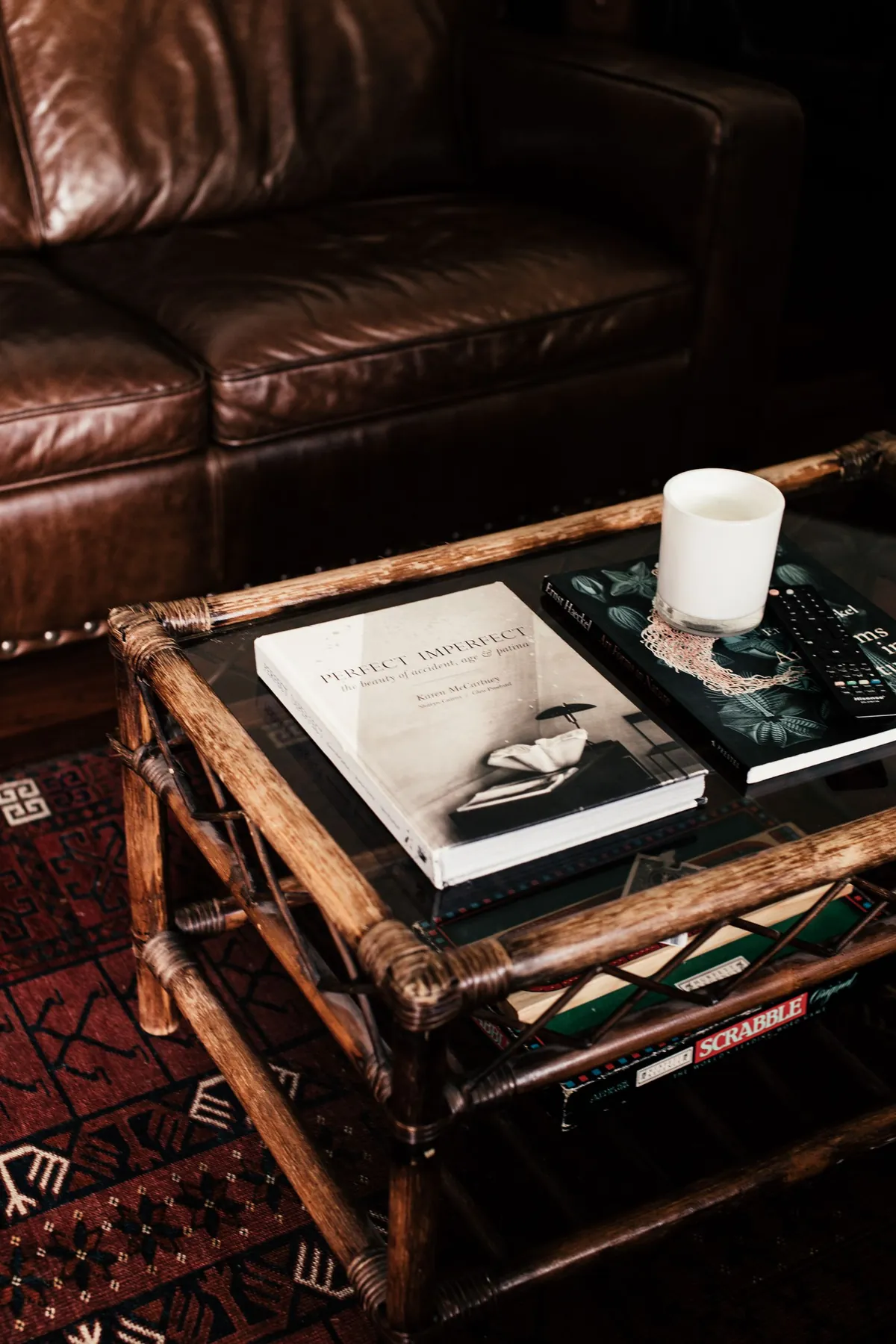
14. Bring in Natural Wood for Warmth
Wood adds warmth that painted and metal surfaces often lack. A wooden coffee table, a timber frame, a woven basket, or a simple wooden bowl can soften a modern room and make it feel more grounded.
You do not need matching wood tones for this to work. Different woods look natural together when they share a warm or cool undertone, and the variation adds to the collected, lived-in feeling of the room.
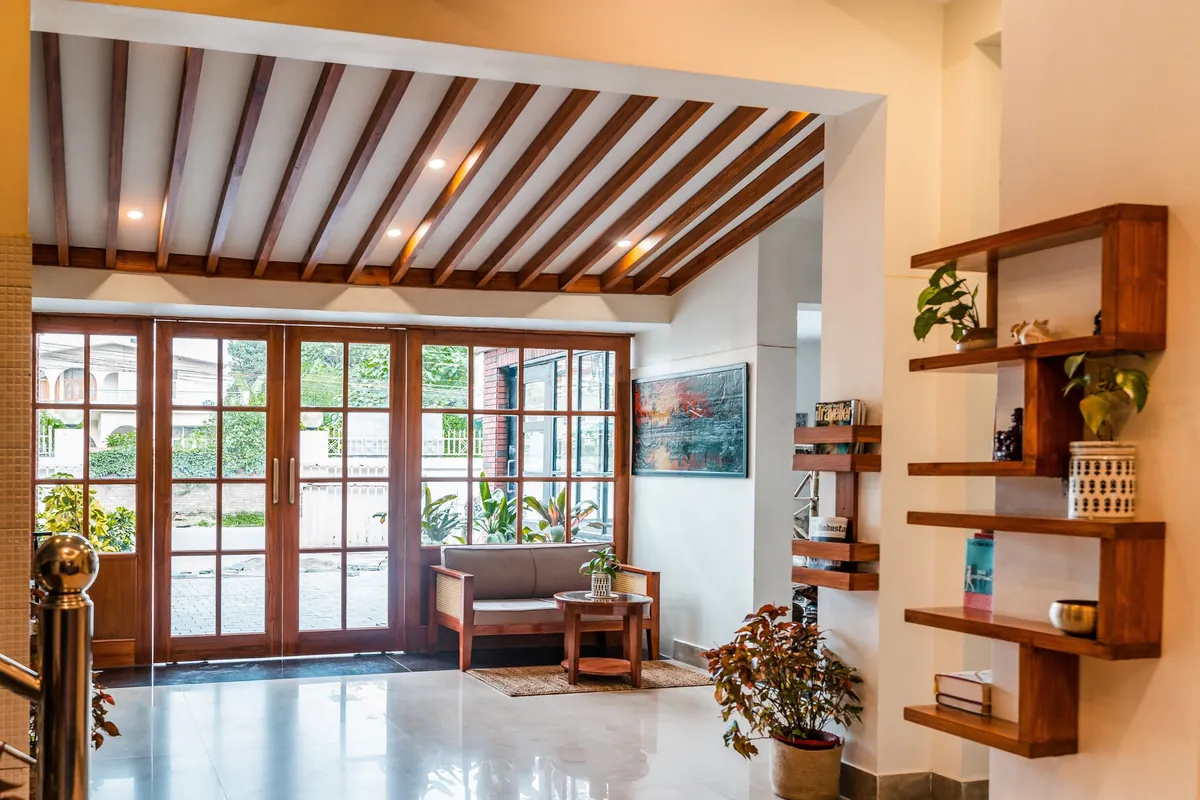
15. Style the Entryway First
The entryway is the first space you and your guests see, yet it is often left until last. Give it a console table or bench, a mirror, a small tray for keys, and a place for shoes or bags, and the whole home will feel more organised.
A styled entryway sets the tone for the rest of the house. Keep it simple and practical, with only what you use every day, and the sense of order will carry through into every room beyond it.
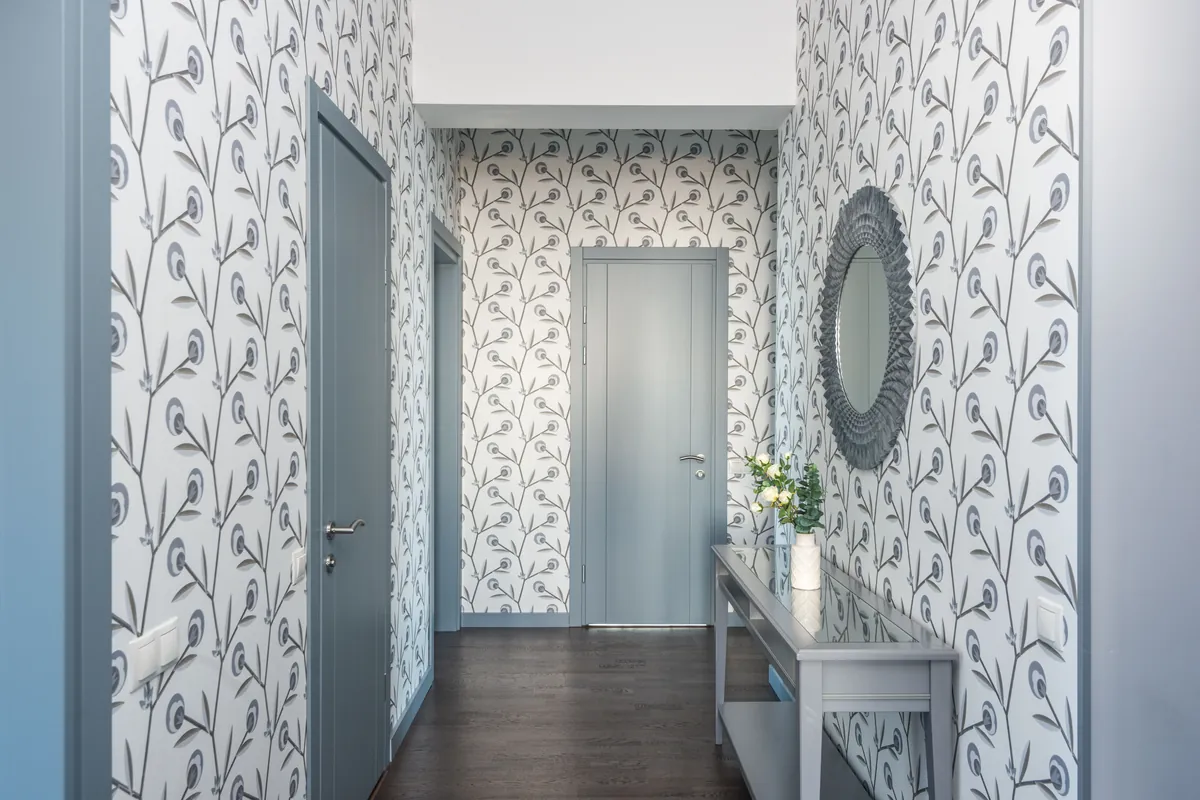
16. Edit Ruthlessly and Leave Breathing Room
Good styling is as much about what you remove as what you add. If a surface feels crowded, take away one item at a time until the remaining pieces can breathe, and the room feels calmer.
Empty space is not wasted space. It lets the eye rest, makes favourite pieces stand out, and gives a room a polished, expensive feel without spending anything at all. Revisit your rooms once a season, and edit again.
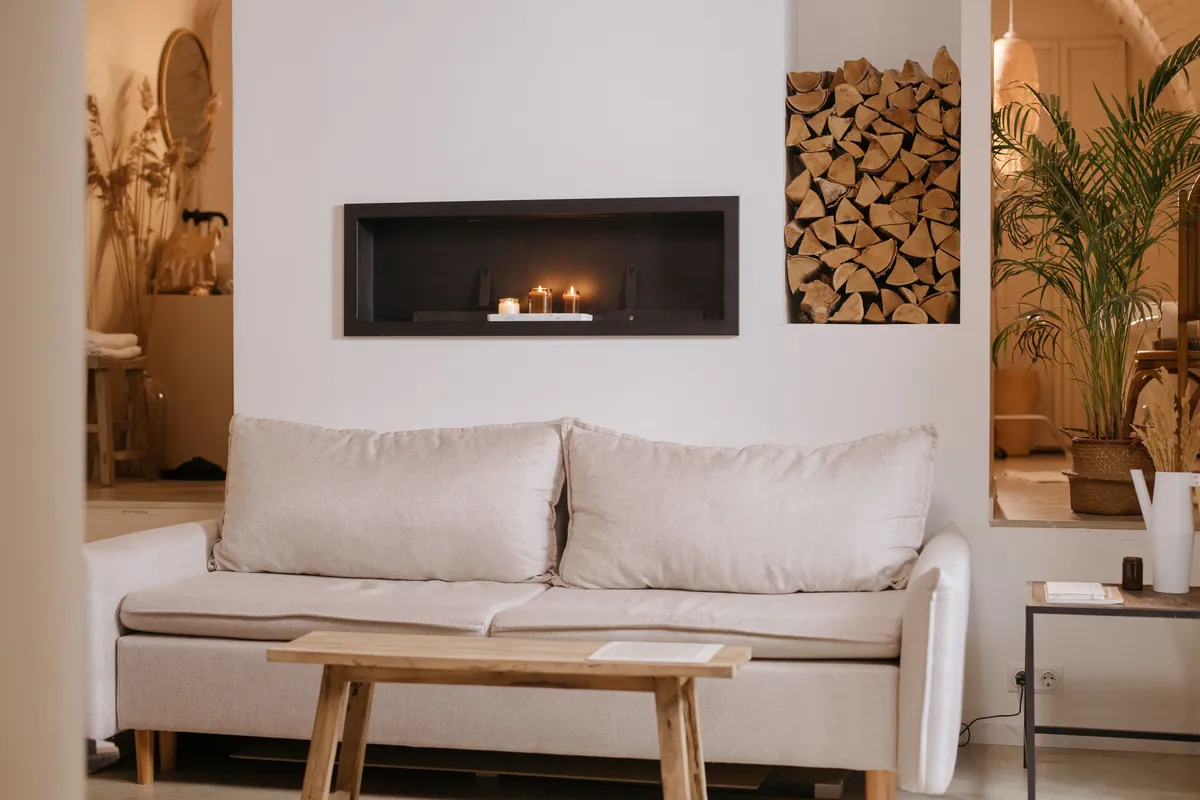
Beautiful home styling does not come from following every trend or filling every corner. It comes from a clear focal point, a calm palette, layered light, honest textures, and a few personal touches that make the space yours.
Pick the idea that fits your home best, try it this week, and notice the difference. Small, thoughtful changes, made one at a time, are how ordinary rooms quietly become beautiful everyday homes.
Leave a Reply