
A dining room earns its place in a home not by how formal it looks, but by how easily people settle in, pass dishes around, and stay talking long after the plates are cleared. The most welcoming rooms feel considered without feeling stiff, with a table that invites gathering and details that make everyday meals feel a little special.
The ideas below are practical, budget-friendly, and easy to adapt to a small flat or a larger family home. From choosing the right table and lighting to layering linen, greenery, and personal touches, each suggestion helps turn mealtimes into moments worth remembering.
1. Choose a Solid Wooden Table as the Anchor
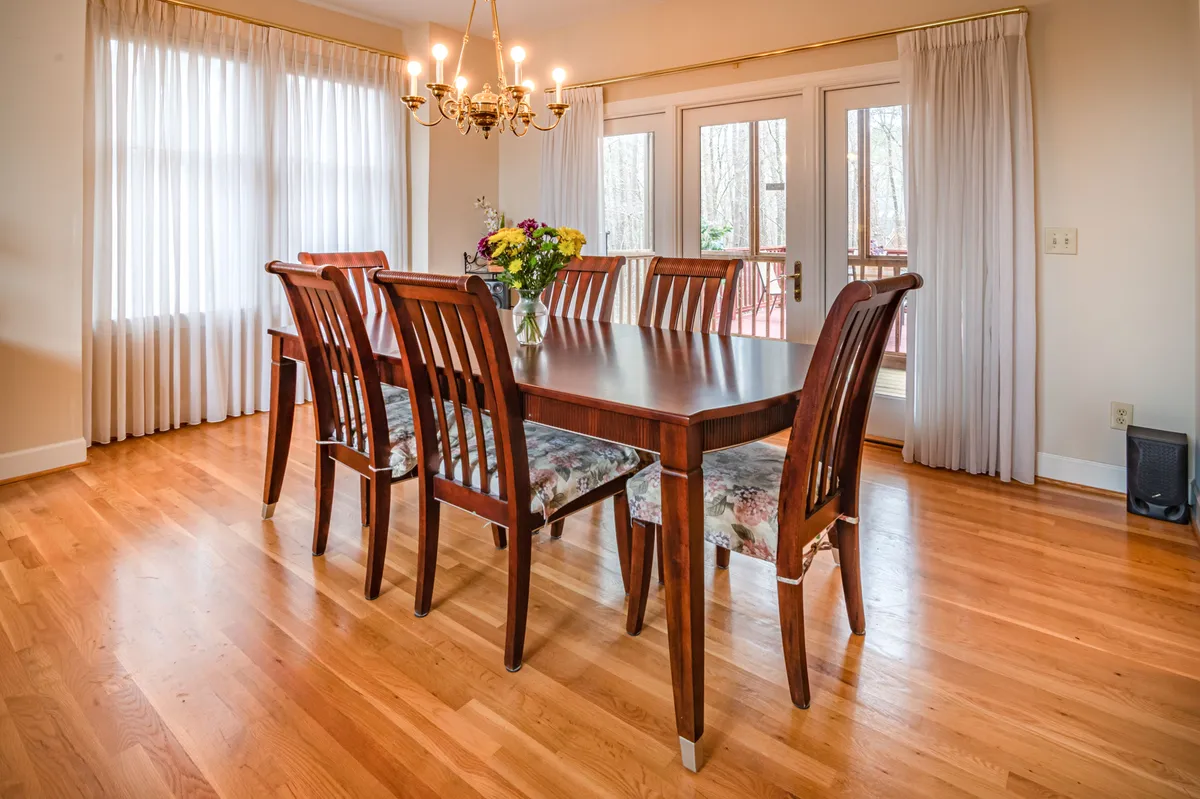
Start with a table that can take daily life: homework, board games, Sunday lunches, and celebrations alike. A solid wooden table brings warmth and character, and it only looks better as it gathers a few marks and memories over time.
Choose a size that leaves room to pull chairs out comfortably and to walk around the table without squeezing past. When the table feels right, everything else in the room becomes easier to arrange around it.
2. Layer Linen and a Simple Runner
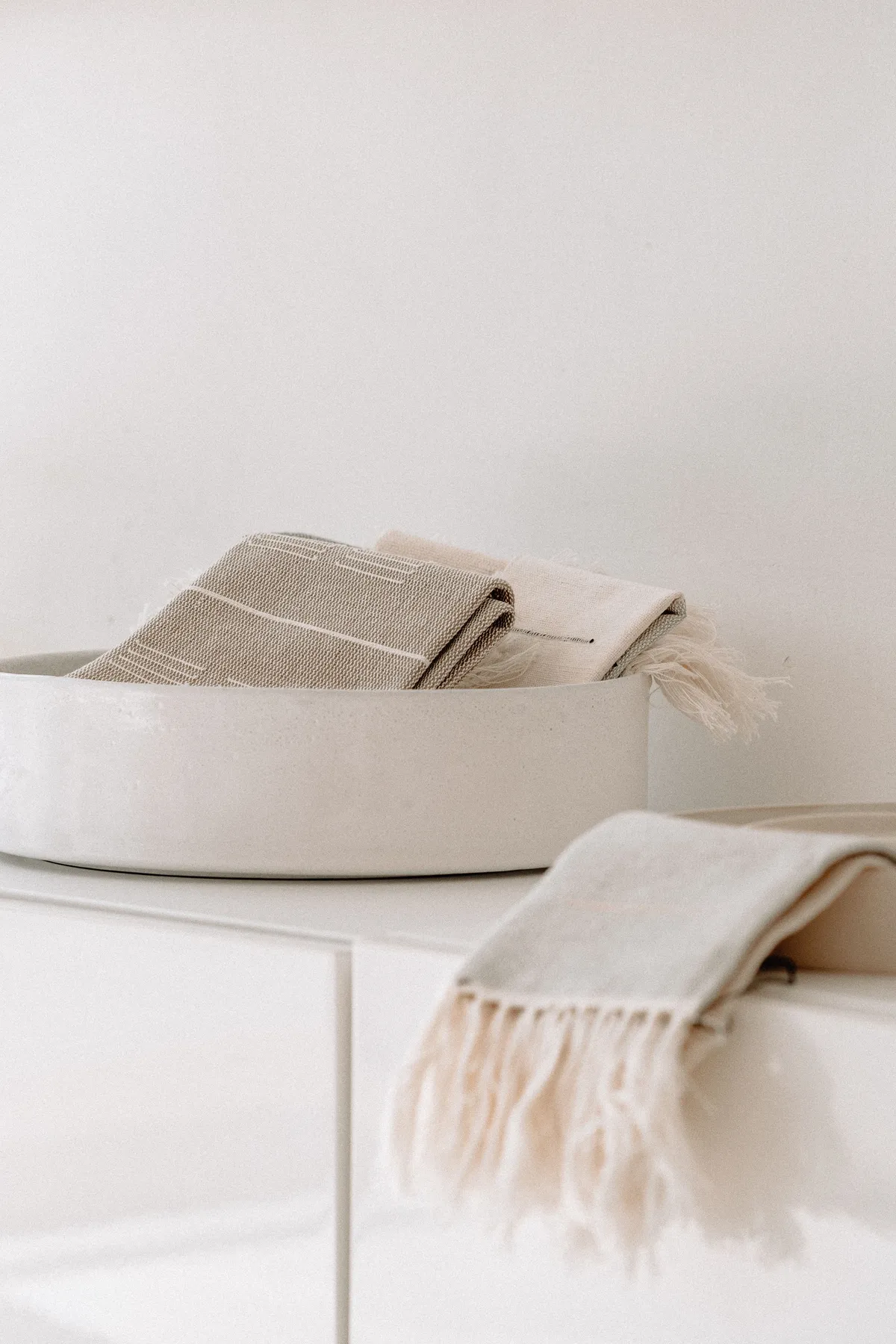
A linen tablecloth or a plain runner instantly softens a dining table and sets the tone for a meal. Choose natural, washable fabrics in warm neutrals so the table looks inviting on ordinary weekdays as well as special occasions.
Keep the layering simple rather than fussy. A runner down the centre, with placemats for each setting, gives structure without hiding the beauty of the wood beneath, and it makes clearing up after a meal much quicker.
3. Build a Low Candlelit Centrepiece
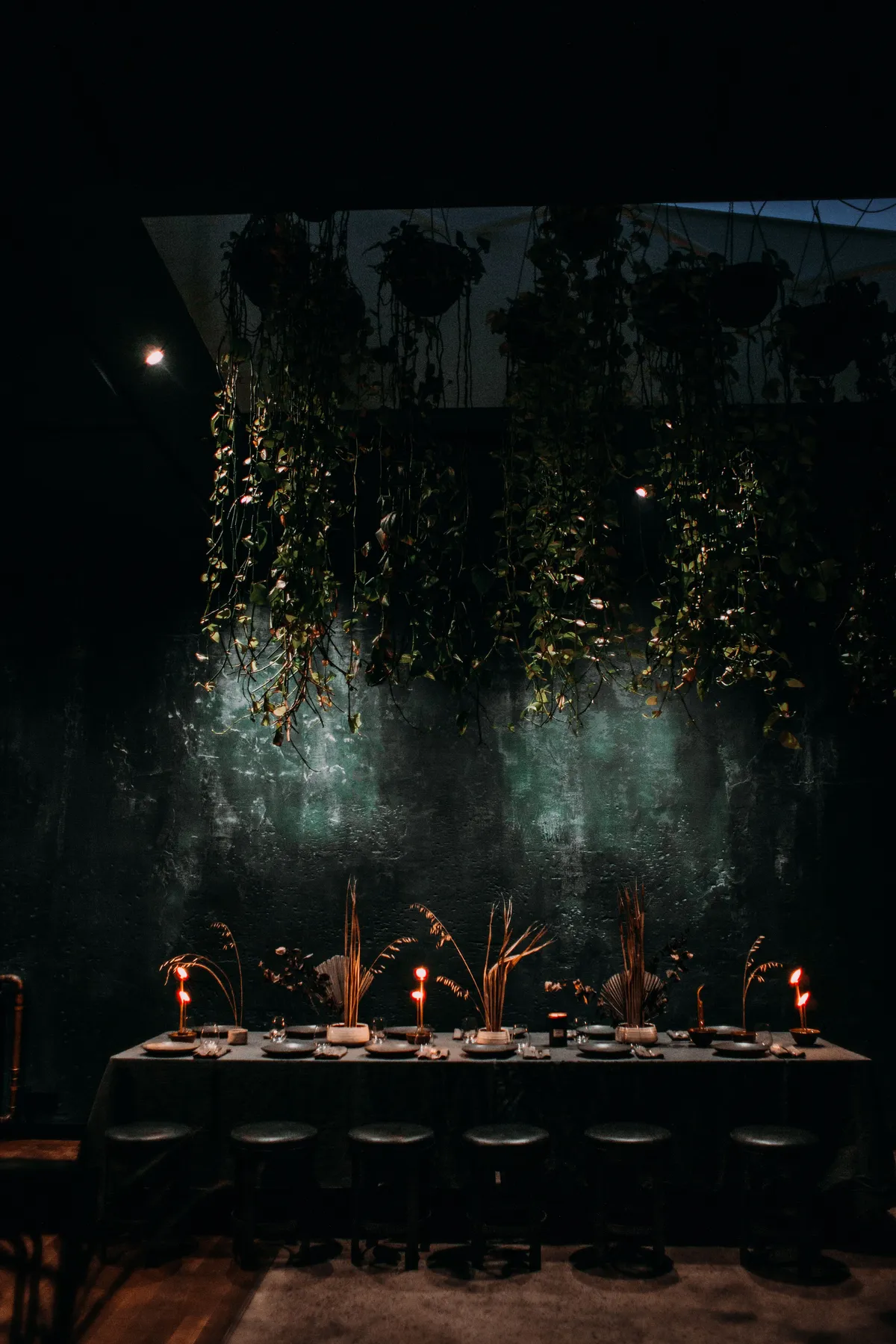
A low centrepiece keeps conversation flowing across the table while adding warmth and glow. Try a wooden board or tray holding a few candles at different heights, with a small vase of greenery or seasonal flowers beside them.
Keep the arrangement low enough that guests can see each other easily. Candlelight flatters food, faces, and the room itself, and it turns even a simple supper into something that feels like an occasion.
4. Mix Comfortable Chairs, Not Just Matching Ones
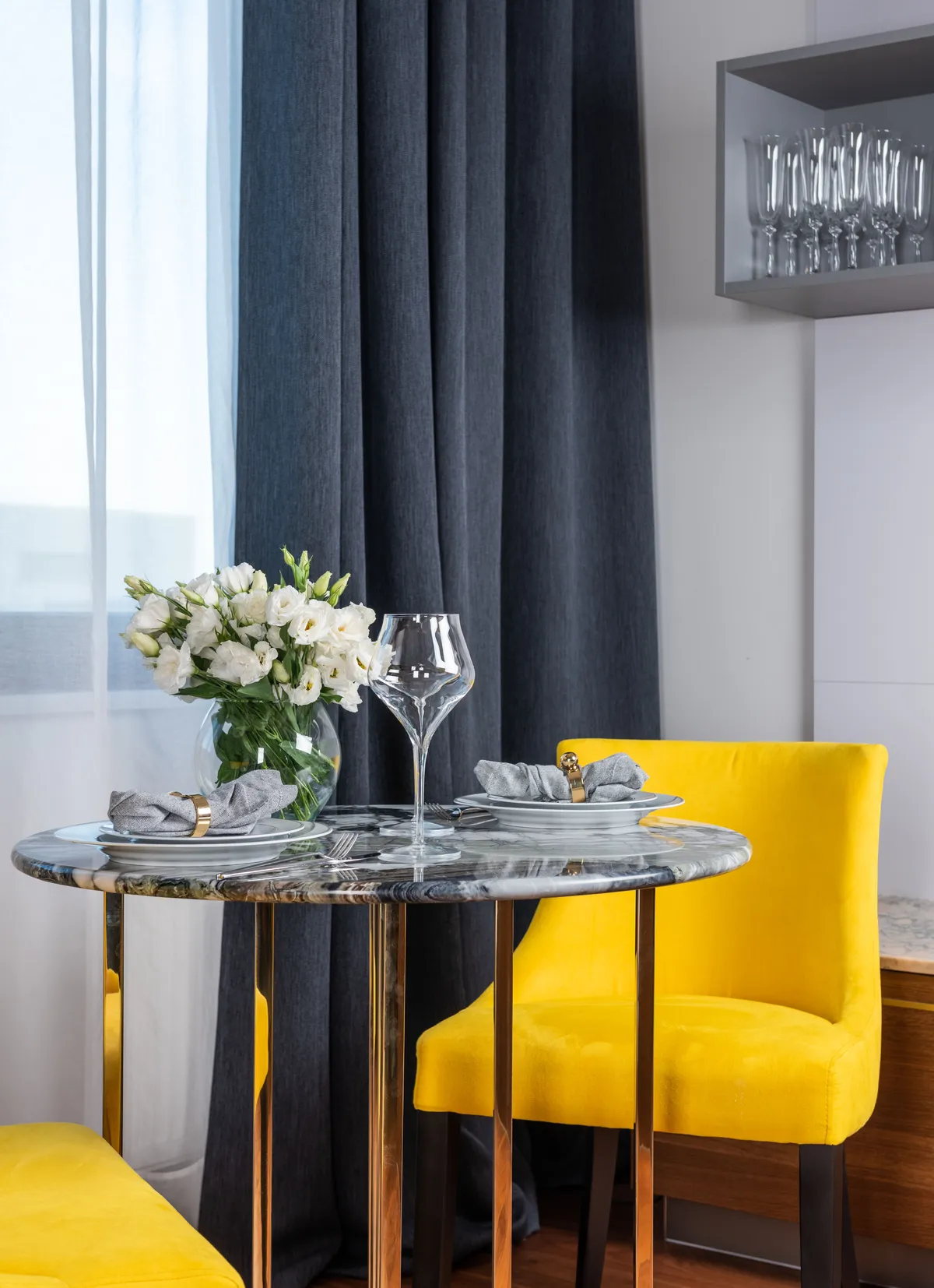
Matching dining chairs can look tidy, but comfort matters more than uniformity. Mix a couple of upholstered chairs at the ends of the table with simpler wooden or woven chairs along the sides, keeping a similar tone or material to tie them together.
Comfortable chairs encourage people to linger. Add a thin cushion to harder seats, check that the seat height suits your table, and choose chairs that are sturdy enough for children, grandparents, and long, laughter-filled meals.
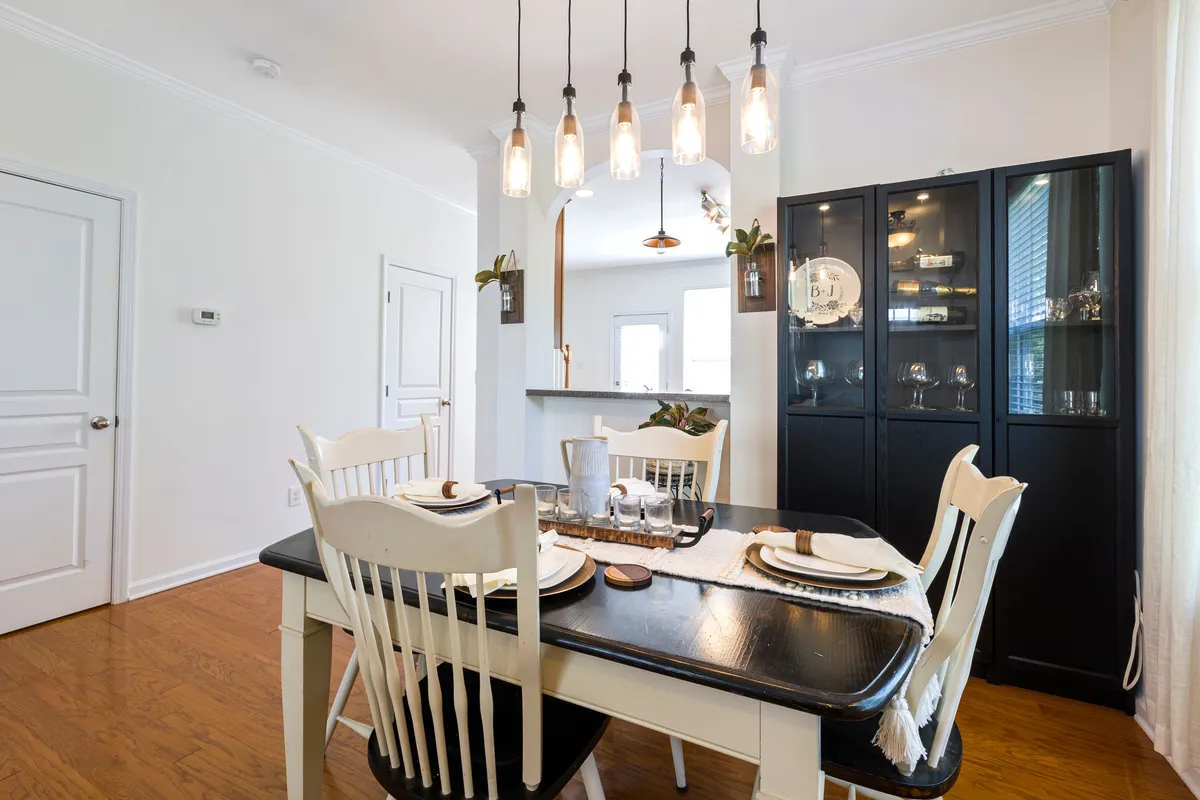
5. Hang Warm Pendant Lights Low Over the Table
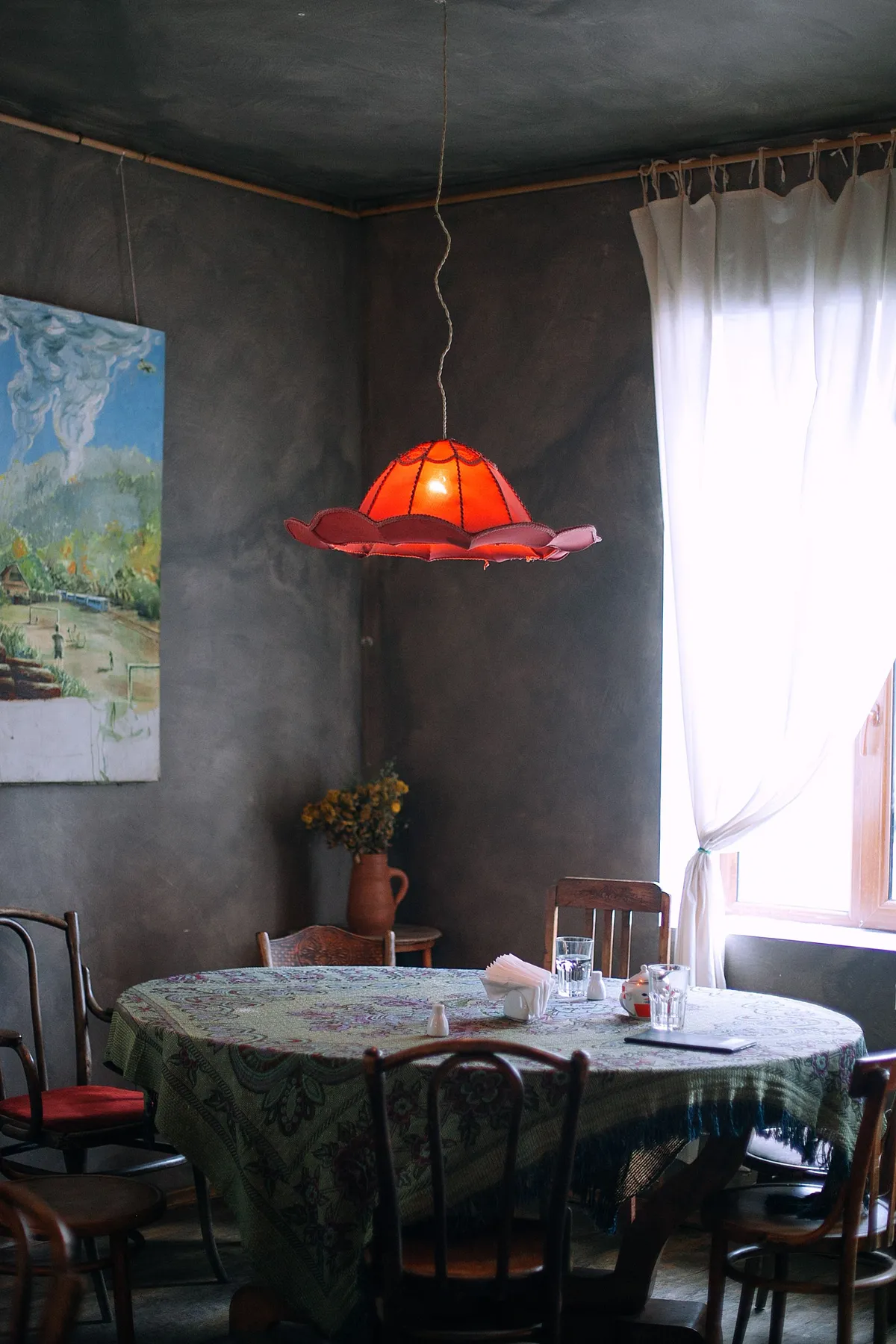
Pendant lights hung low over the table create a pool of warm light exactly where it is needed. Choose warm-toned bulbs and a shade that directs light downwards, so faces and food are lit gently rather than harshly.
Hang the lights high enough that seated guests can see each other beneath them, usually with the bottom of the shade well above eye level when seated. A dimmer switch is a simple upgrade that lets the same lights work for bright family breakfasts and soft evening dinners.
6. Set Thoughtful Place Settings
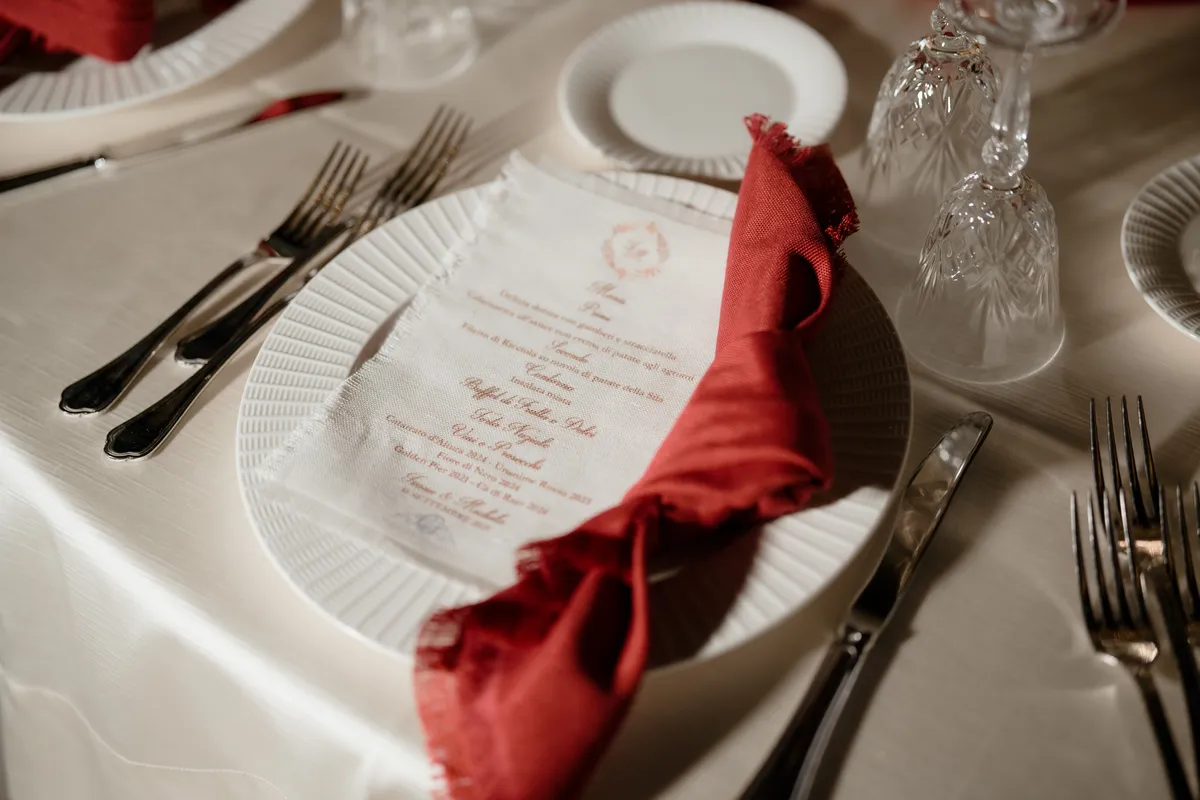
A thoughtful place setting shows guests they were expected and welcomed. Start with a clean plate, simple cutlery, a glass, and a cloth napkin, then add one personal touch, such as a handwritten name card or a small sprig of herbs.
You do not need formal rules or expensive tableware to get this right. Consistency across settings, a little space between them, and one warm detail are enough to make the table feel cared for and ready.
7. Add a Rug to Ground the Table
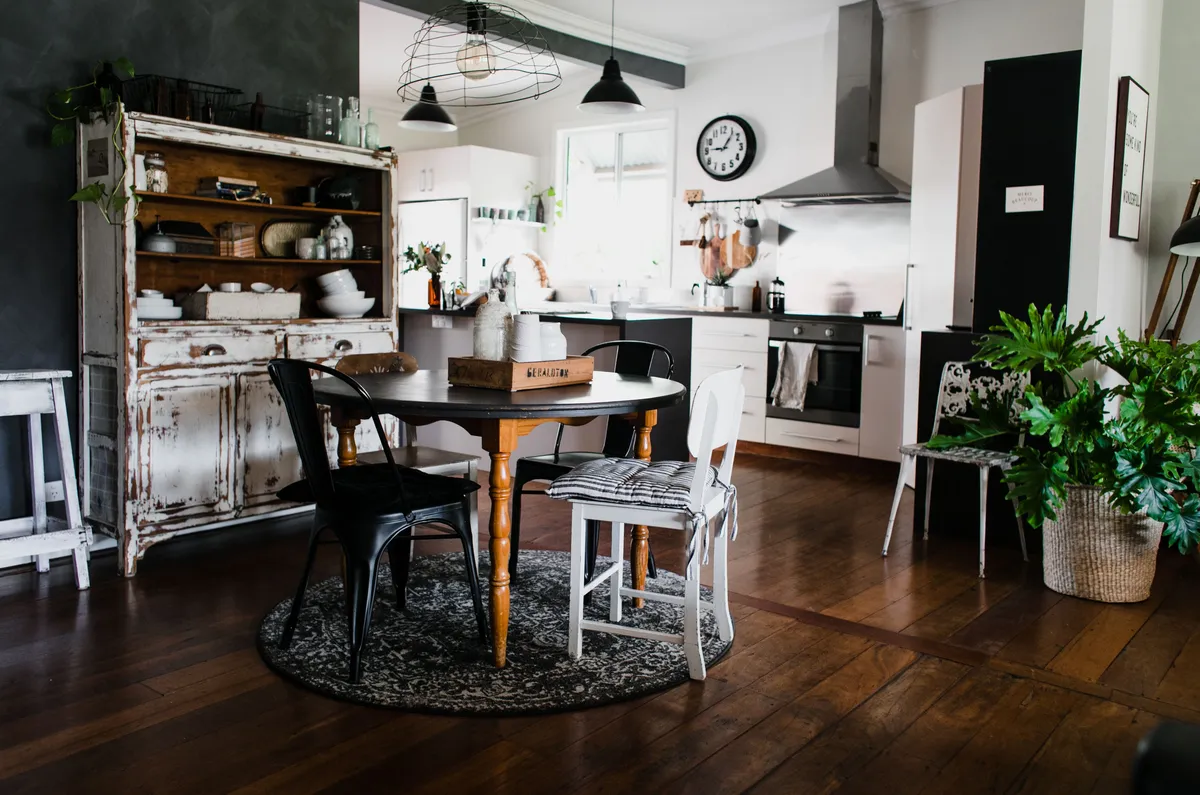
A rug beneath the dining table defines the eating area, especially in an open-plan room, and adds softness underfoot. Choose a flat-weave or low-pile rug that chairs can slide on easily, and make it large enough that chairs stay on the rug when pulled out.
Warm, muted colours work best, since a dining rug will see crumbs and spills. A washable or easily cleaned rug is a sensible choice for family homes, and it will keep the dining zone feeling cosy and intentional.
8. Create a Serving Sideboard
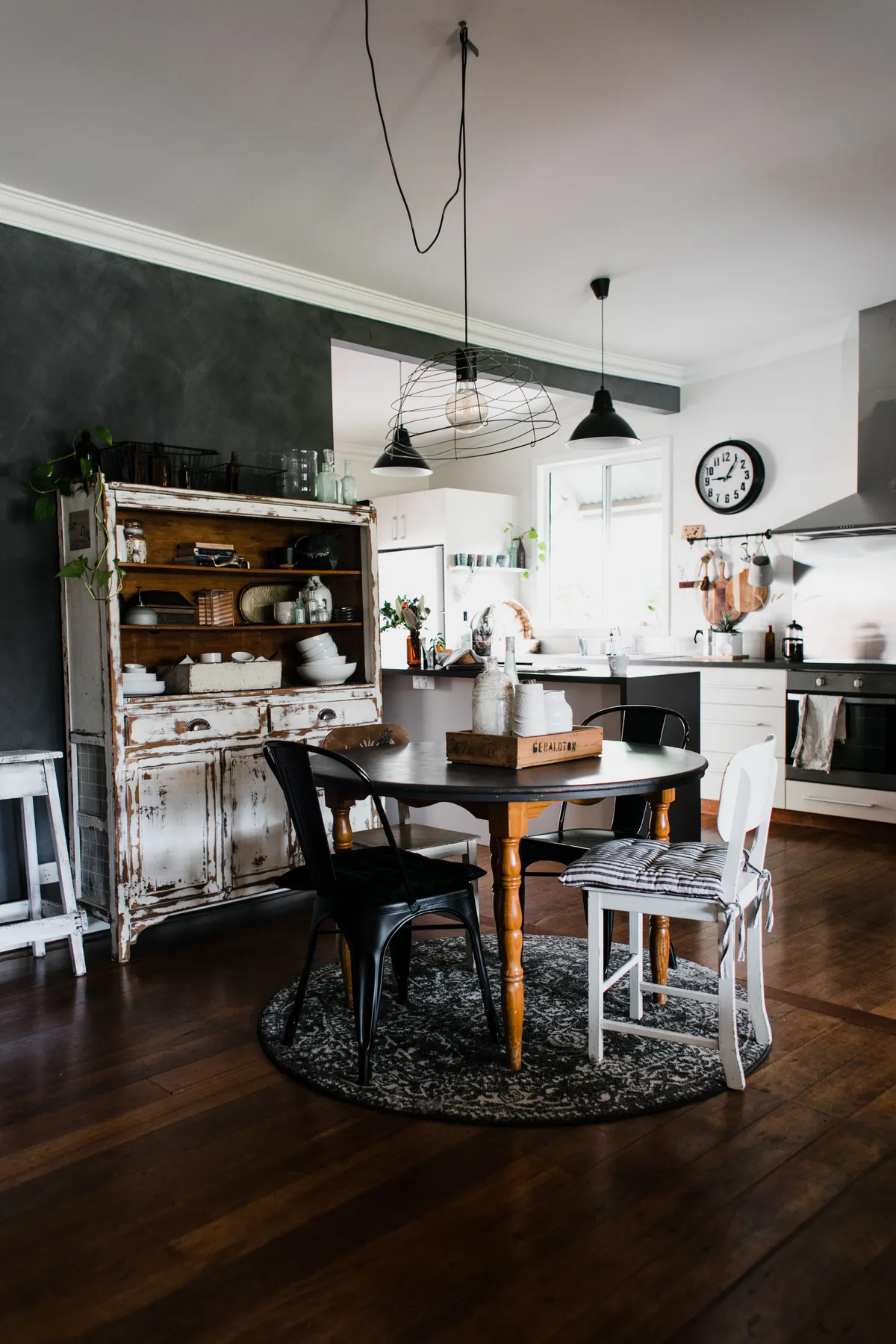
A sideboard or sturdy cupboard beside the table takes pressure off the table itself. Use it to hold extra plates, glasses, and serving dishes, so the table stays clear for food, drinks, and conversation.
Style the top simply with a lamp, a small plant, or a tray for water and condiments. During a gathering, the sideboard becomes a natural serving station, letting guests help themselves without crowding the cook or the table.
9. Bring in Fresh Greenery and Flowers
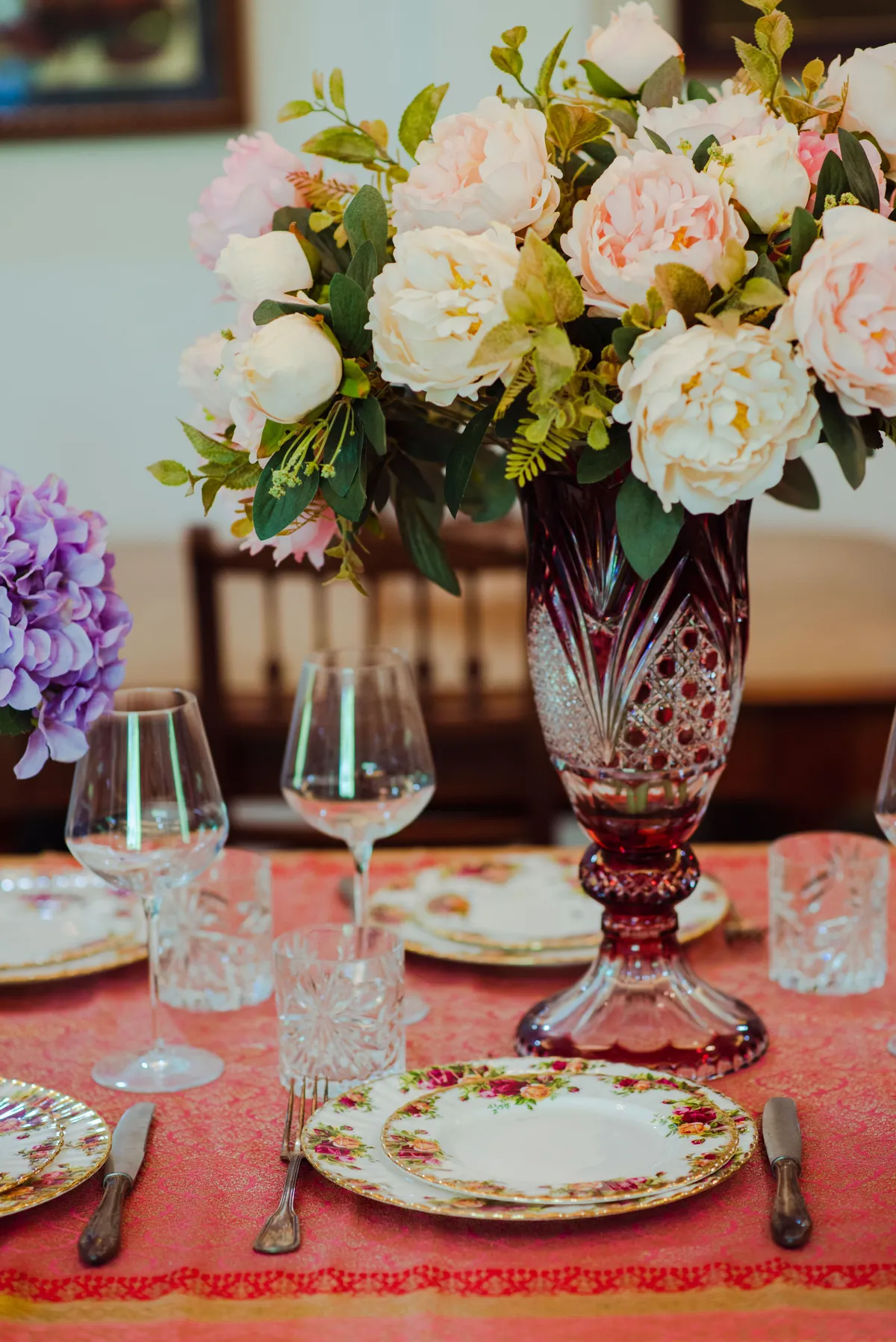
Fresh flowers or a bunch of greenery in a simple vase brings life to a dining room in every season. Choose what is available locally, from garden herbs and eucalyptus to market flowers, and keep the arrangement loose and natural.
Change the greenery regularly rather than aiming for a perfect, permanent display. A fresh bunch on the table or sideboard adds colour and scent, and it signals that the room is used, loved, and ready for guests.
10. Hang Art That Suits Shared Meals
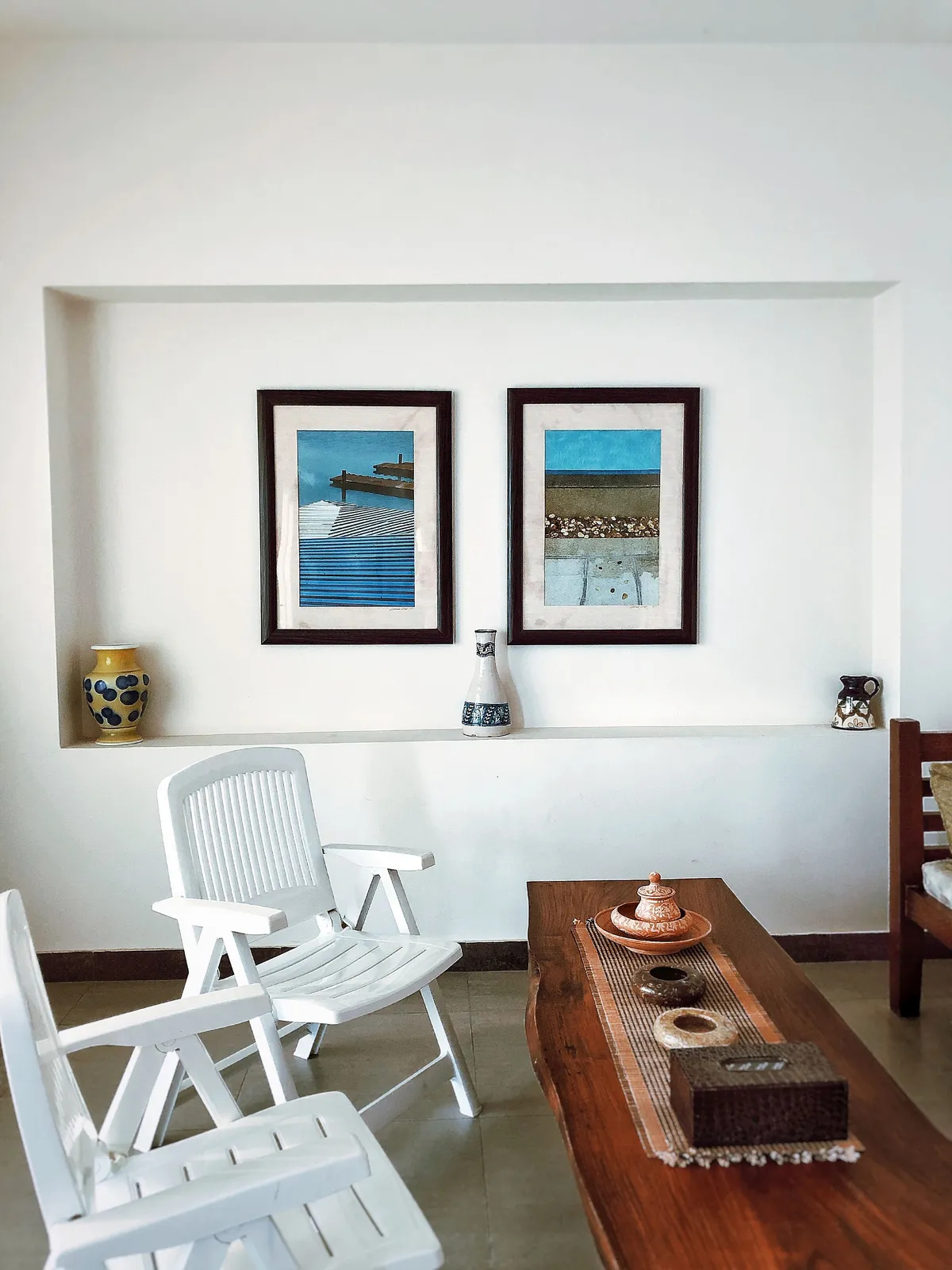
Art in a dining room should feel warm and easy to live with. Choose framed prints, photographs, or paintings that reflect your family, travels, or favourite foods, and hang them at eye level from a seated position.
A small gallery wall works well on a larger wall, while one larger piece suits a narrow wall or the space above a sideboard. Keep frames simple and consistent, so the art adds personality without competing with the table below.
11. Use Natural Materials: Wood, Stone, and Linen
Natural materials make a dining room feel grounded and welcoming. Wooden boards, stone coasters, linen napkins, and ceramic plates each add texture, and together they create a table that feels honest and tactile.
You do not need to replace everything at once. Start with one or two swaps, such as linen napkins instead of paper, or a wooden serving board instead of a plastic tray, and let the natural palette build gradually.
12. Plan Flexible Seating for Extra Guests
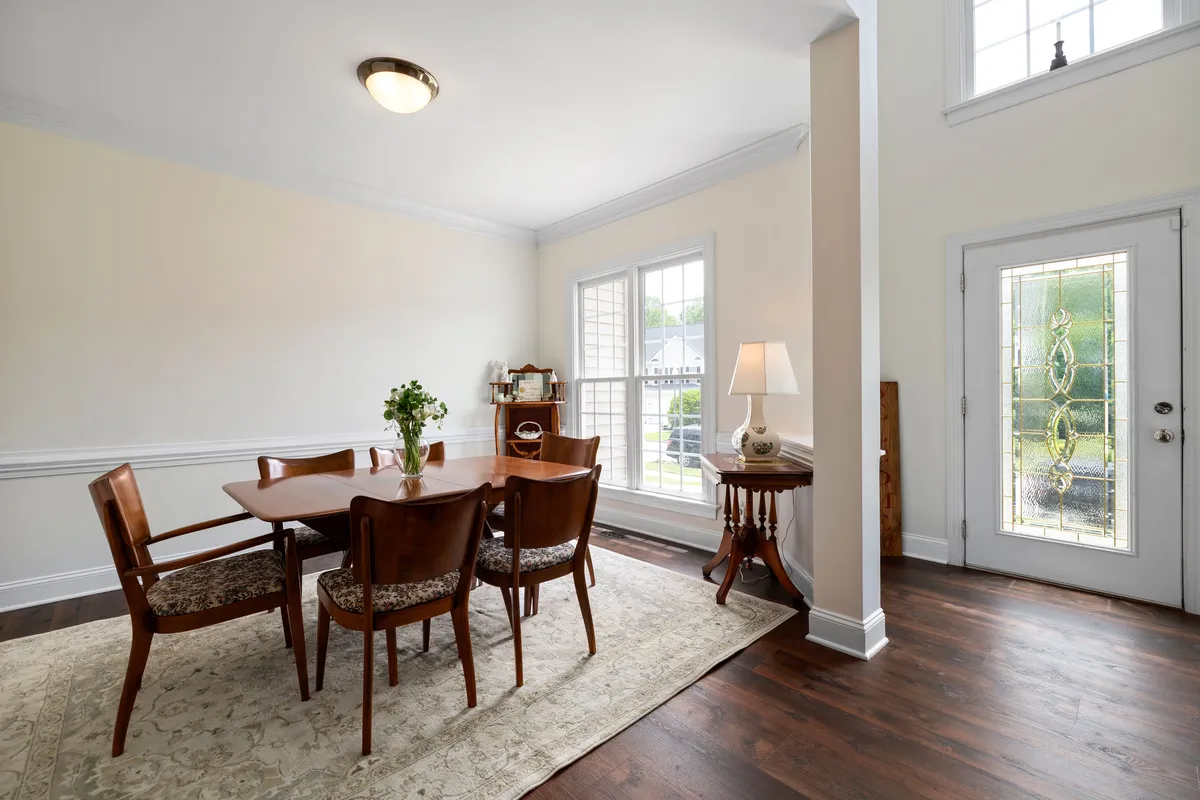
Gatherings rarely match the exact number of chairs around a table, so plan for flexibility. Keep a folding chair, a sturdy bench, or a couple of stackable stools stored nearby, ready to bring out when friends or family drop in.
An extendable table helps too, if space allows, but even without one, a little planning makes a difference. When extra guests can sit comfortably, the host relaxes too, and the meal feels generous rather than cramped.

13. Create a Sunny Window Dining Nook
If you have a bright window, make it a dining spot in its own right. A small round table, two comfortable chairs, and a cushion or two turn an overlooked corner into a favourite place for breakfast, coffee, or a quiet meal.
Keep the nook light and uncluttered, with sheer curtains that soften the sun without blocking it. Even in a small home, a window nook gives dining a second, more casual setting for everyday moments.
14. Keep a Warm, Calm Colour Palette
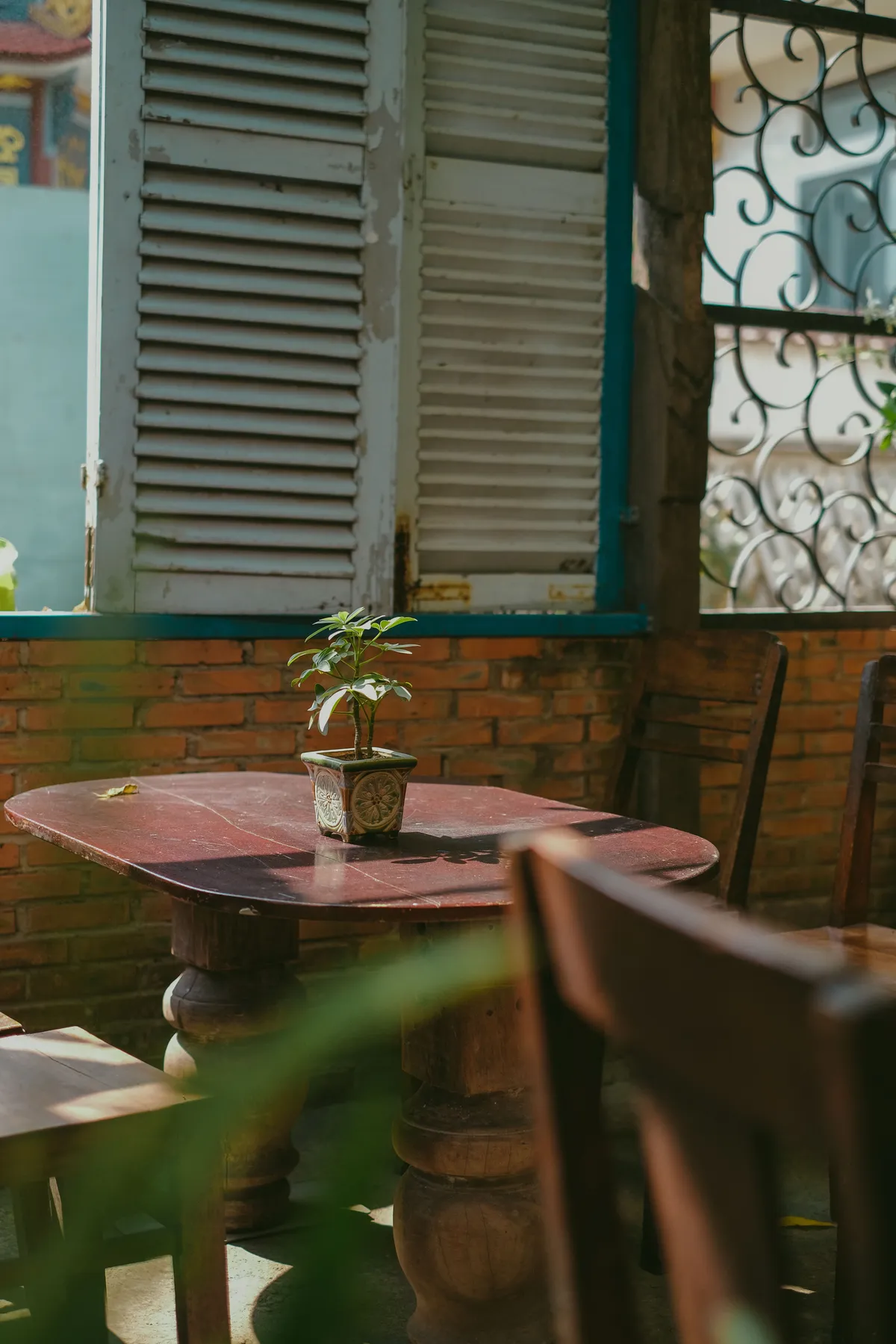
Warm neutrals, soft whites, muted greens, and gentle terracotta tones help a dining room feel calm and appetising. Use them on walls, chairs, and textiles, then add depth with wood tones and one or two deeper accents.
Avoid too many competing colours in one room, especially around food. A calm palette lets the table setting, flowers, and guests themselves become the focus, and it works just as well for a quiet weekday dinner as for a celebration.
15. Style a Dessert and Coffee Corner
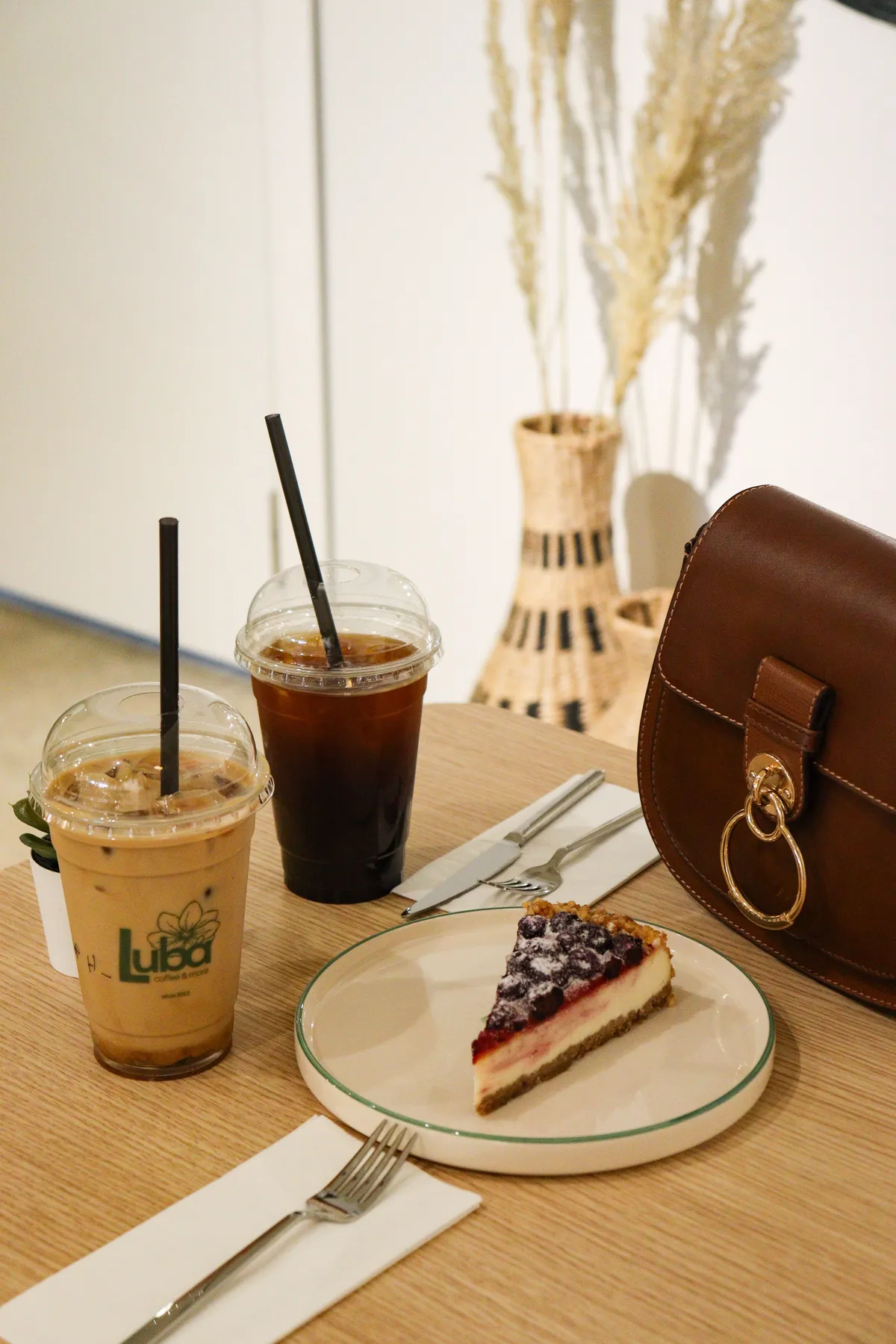
After the main course, a small dessert and coffee corner keeps the evening flowing. Set out a tray with cups, a coffee pot or cafetiere, a few sweet treats, and small plates, either on the sideboard or a nearby trolley.
This simple station invites guests to help themselves and linger at the table. It also takes pressure off the host, who can enjoy dessert and conversation instead of disappearing into the kitchen for a long stretch.
16. Finish with a Slow Evening Ritual
The best dining rooms are not just for eating, but for slowing down together. After the meal, dim the main lights, leave the candles glowing, and let conversation, music, or a simple game stretch the evening out.
Keep the ritual easy: a favourite playlist, a pot of tea, or a shared pudding can be enough. When a room encourages people to stay a little longer, it becomes the heart of the home in the truest sense.

A warm and welcoming dining room is built from simple, thoughtful choices: a sturdy table, comfortable chairs, soft light, and details that make guests feel expected. It does not need to be large, formal, or expensive to work beautifully.
Start with the ideas that suit your space and your way of gathering, and add the rest gradually. Over time, your dining room will become a place where everyday meals and special occasions feel equally at home.
Leave a Reply