
Seasonal Pinterest SEO is one of the most effective ways to attract new readers, increase blog visibility, and bring consistent traffic to your website throughout the year. Pinterest users actively search for inspiration, solutions, recipes, decorating ideas, fashion trends, and seasonal activities, making the platform particularly valuable for bloggers. However, simply publishing attractive pins is not enough to stand out in a competitive search environment. You need a thoughtful strategy that combines keyword research, timely content planning, compelling visuals, and consistent optimization. The best approach is to create content before people start searching for it, use relevant seasonal keywords naturally, and design pins that encourage users to click through to your website. Whether you run a lifestyle, food, fashion, home decor, or DIY blog, these 17 seasonal Pinterest SEO strategies will help you reach the right audience, improve your content’s discoverability, and turn seasonal searches into meaningful blog traffic.
1. Research Seasonal Pinterest Keywords Early

Effective seasonal Pinterest SEO begins with understanding what your audience searches for before a particular season or holiday arrives. Use Pinterest’s search bar, autocomplete suggestions, and available trend insights to discover relevant phrases. For example, people may search for fall porch decorating ideas, Thanksgiving table settings, or winter outfit inspiration weeks before the season begins. Collect these phrases and organize them according to their seasonal relevance. Look for specific long-tail keywords because they often reflect clearer search intentions and provide opportunities to reach a more targeted audience. Creating a keyword list early gives you enough time to develop blog posts, design pins, and publish content before seasonal demand reaches its peak.
2. Create a Seasonal Content Calendar
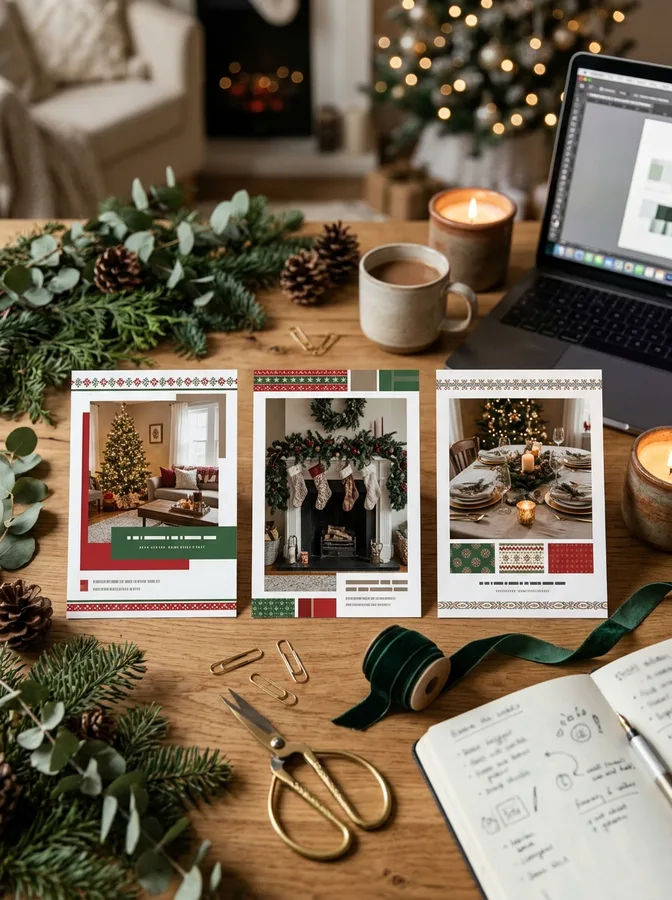
A seasonal content calendar helps you publish Pinterest-friendly blog content at the right time instead of rushing to create posts when a holiday is already approaching. Map out major seasonal opportunities throughout the year, including spring cleaning, summer travel, Halloween, Thanksgiving, Christmas, and New Year’s celebrations. Add smaller opportunities that match your niche, such as gardening season, back-to-school organization, or cozy winter bedroom inspiration. Include keyword research, article deadlines, pin design dates, and publishing schedules in your calendar. Planning several months ahead allows search engines and Pinterest to discover your content before seasonal interest increases. It also helps you maintain a consistent publishing routine without overwhelming your workload.
3. Publish Seasonal Blog Posts Before Demand Peaks

Timing is an important part of seasonal Pinterest SEO because users often search for ideas long before they need them. If you wait until Thanksgiving week to publish Thanksgiving recipes or decorating inspiration, you may miss valuable opportunities to build visibility. Instead, research when interest typically starts increasing and publish your content several weeks or months beforehand. For major holidays, an even earlier publishing schedule can provide additional discovery time. Make sure your article is complete, useful, and optimized before creating multiple pins for it. Early publication gives your content more opportunities to appear in relevant searches, attract saves, and generate traffic while seasonal interest is growing.
4. Optimize Pin Titles With Searchable Keywords
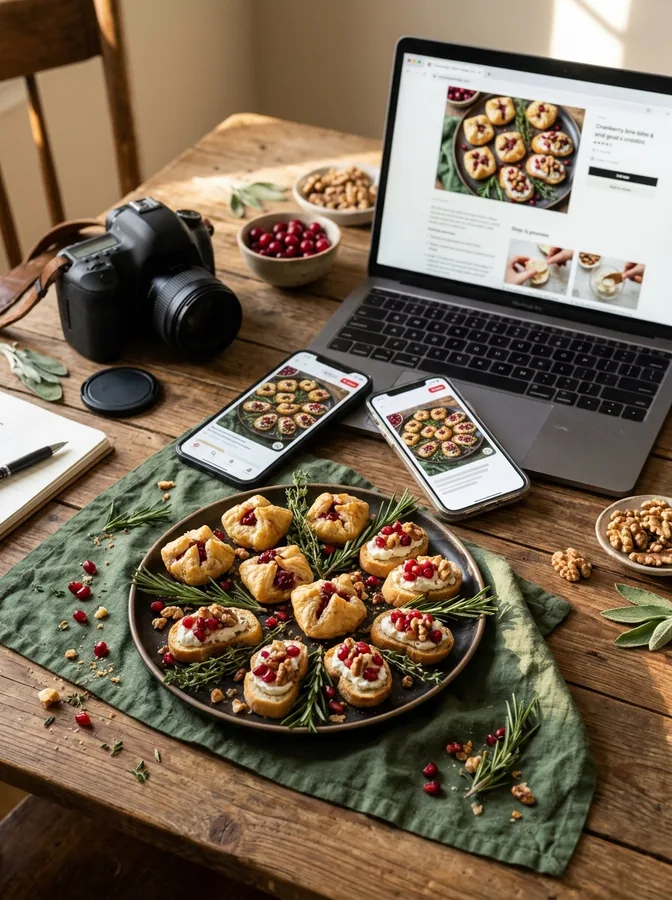
Your Pinterest pin title should clearly communicate what users will find when they click. Include the primary keyword naturally and make the wording specific enough to match search intent. Instead of using a vague title such as Beautiful Home Inspiration, choose something more descriptive like 15 Cozy Winter Living Room Decorating Ideas. Specific titles help Pinterest understand the topic while giving users a reason to explore the content. You can also incorporate useful modifiers such as budget-friendly, easy, modern, beginner-friendly, or small-space. Avoid stuffing several unrelated keywords into one title. A clear, relevant title is more helpful than a complicated headline designed only to attract attention.
5. Write Keyword-Rich Pin Descriptions
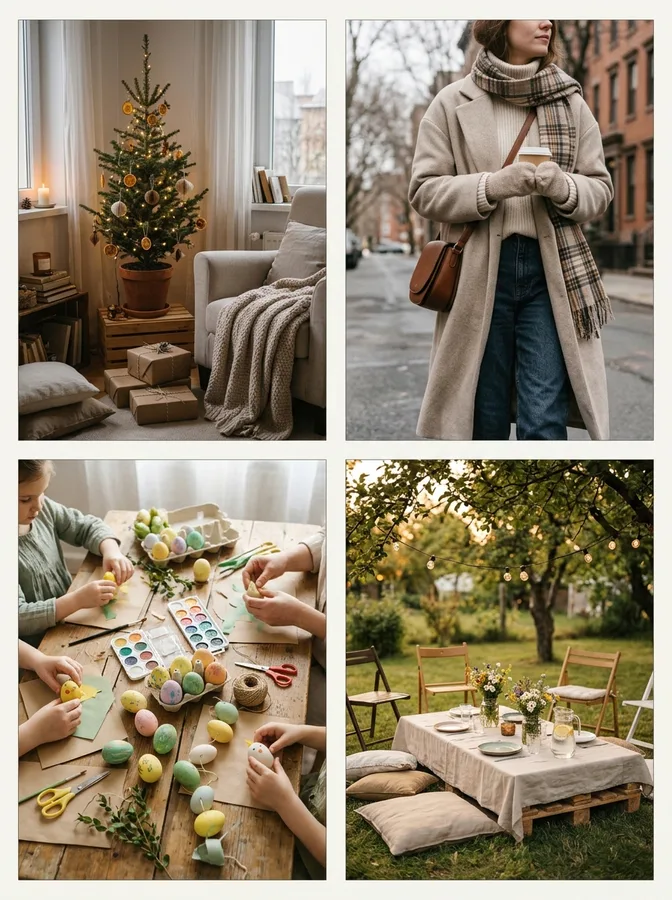
Pin descriptions provide additional context about your content and help Pinterest understand its relevance to different searches. Write natural descriptions that explain what the linked blog post offers while incorporating your primary and supporting keywords. For example, a description for a winter decorating article might mention cozy living room ideas, affordable seasonal decor, warm color palettes, and simple styling tips. Include enough detail to communicate the value of the article without repeating the same phrase unnecessarily. A helpful call to action, such as Explore these ideas or Read the complete guide, can encourage users to visit your website. Keep descriptions informative, readable, and closely connected to the actual content.
6. Design Vertical Pins That Stand Out

Visual presentation plays a major role in attracting attention on Pinterest. Create vertical pins that use a clear focal point, attractive imagery, and readable text. A 2:3 aspect ratio, commonly designed at 1000 by 1500 pixels, is a practical starting point for standard Pinterest graphics. Choose images that reflect the seasonal topic accurately, whether that means colorful autumn leaves, festive holiday tables, fresh spring flowers, or summer vacation outfits. Avoid overcrowding your design with decorative elements or excessive wording. The main message should be understandable at a glance, especially on mobile screens. Consistent, professional-looking graphics can help your seasonal content earn more attention and saves.
7. Create Multiple Pin Designs for Each Blog Post

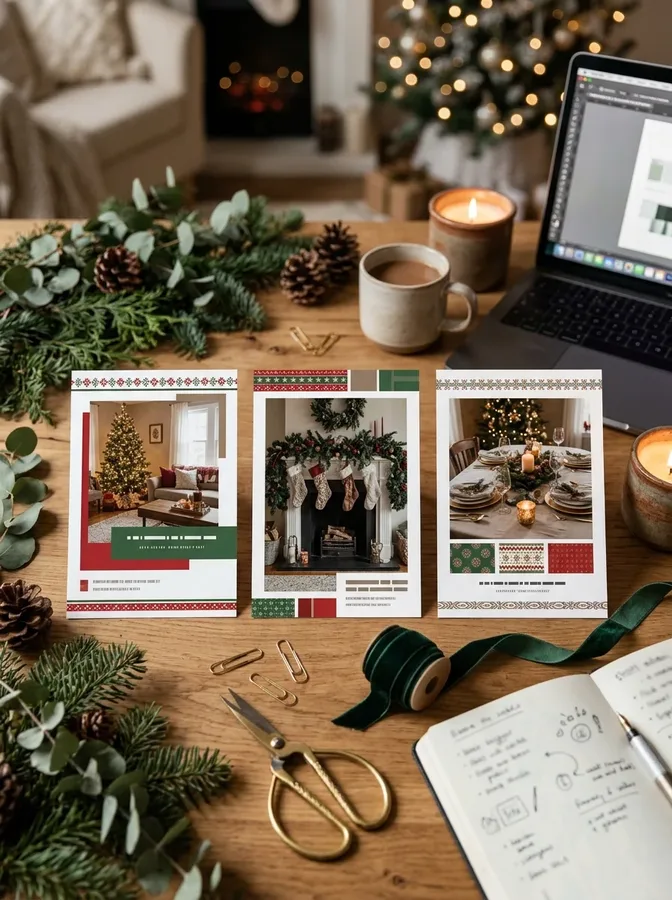
One useful seasonal Pinterest strategy is to create several distinct pin designs that lead to the same high-quality blog article. Different users may respond to different images, headlines, layouts, and visual styles. For a Christmas decorating article, you could create one pin featuring a decorated mantel, another highlighting a festive dining table, and a third emphasizing budget-friendly decorating tips. Each design should offer a genuine visual variation rather than simply changing a background color. Write different keyword-focused titles that accurately represent the article. Publish these designs thoughtfully over time and avoid overwhelming Pinterest with repetitive uploads. This approach helps you test creative ideas while extending the visibility of valuable content.
8. Build Seasonal Pinterest Boards Around Specific Topics

Organized Pinterest boards make it easier for users to explore related ideas and help communicate the themes of your content. Instead of placing every seasonal pin into one general board, create focused collections such as Fall Home Decor Ideas, Christmas Kitchen Inspiration, Spring Garden Projects, and Summer Outfit Ideas. Use descriptive board titles that include phrases people might search for. Write relevant board descriptions that explain the collection and naturally incorporate related keywords. Save appropriate pins to their most relevant boards rather than distributing them randomly. Well-organized boards create a better browsing experience and establish clear topical connections between your seasonal content and the interests of your target audience.
9. Use Pinterest Trends to Identify Rising Topics

Pinterest Trends can help you identify seasonal subjects that are gaining attention before they become widely popular. Explore relevant search terms and compare their interest over time to discover when audiences begin looking for particular ideas. For example, you might notice growing interest in minimalist Christmas decor, outdoor summer dining, or spring capsule wardrobes. These insights can help you choose topics that align with audience demand instead of relying entirely on assumptions. Pay attention to related searches and emerging combinations of keywords as well. Use trend information as a planning guide, then develop original blog content that answers the questions and provides the inspiration behind those searches.
10. Refresh Older Seasonal Blog Content

You do not always need to publish a completely new article to benefit from seasonal Pinterest searches. Older blog posts can become valuable traffic sources when you review and improve them before their relevant season returns. Update outdated information, replace weak images, improve headings, add useful examples, and check that all links work correctly. Review the article’s primary keyword and make sure its title and description accurately reflect the updated content. You can also create fresh pin designs that highlight different sections of the same article. Keep the original URL whenever possible so existing backlinks and accumulated search visibility continue pointing to the updated resource.
11. Match Every Pin to a Relevant Blog Article

A visually appealing pin should always deliver what its headline and description promise. If your graphic promotes easy Thanksgiving appetizers, the destination should provide actual appetizer recipes rather than a general holiday article with little relevant information. This connection between the pin and its landing page creates a better user experience and encourages visitors to explore your website. Before publishing, check that the destination URL works, the article loads properly on mobile devices, and the featured information is easy to find. Avoid misleading headlines or exaggerated promises. When Pinterest users consistently receive useful information after clicking, your content becomes a more trustworthy resource for seasonal inspiration.
12. Target Long-Tail Seasonal Search Phrases

Broad keywords such as Christmas decor or summer outfits can attract substantial competition. Long-tail keywords provide a more specific way to connect with users who already know what they want. Examples include small apartment Christmas decorating ideas, casual winter outfits for women, easy Easter crafts for preschoolers, and budget-friendly summer backyard ideas. These phrases can inspire more focused blog posts and pin designs. Use keyword variations naturally in your headings, introductions, descriptions, and image alt text where appropriate. Specific content also gives readers a clearer reason to click because it addresses a recognizable need. Build a collection of related long-tail articles to establish deeper coverage of your seasonal niche.
13. Add Descriptive Keywords to Blog Images

Image optimization is another important part of making seasonal blog content easier to discover and understand. Give your image files descriptive names before uploading them instead of keeping generic names such as IMG1234 or Photo1. For example, use a relevant filename like cozy-fall-entryway-decor.jpg. Add accurate alt text that describes the image for accessibility and helps explain its context. If an image shows a decorated autumn mantel, describe that scene rather than filling the alt attribute with unrelated search phrases. Include appropriate image captions when they provide useful information to readers. These small improvements support a more organized website and make your visual content more meaningful.
14. Use Seasonal Color Palettes and Visual Themes

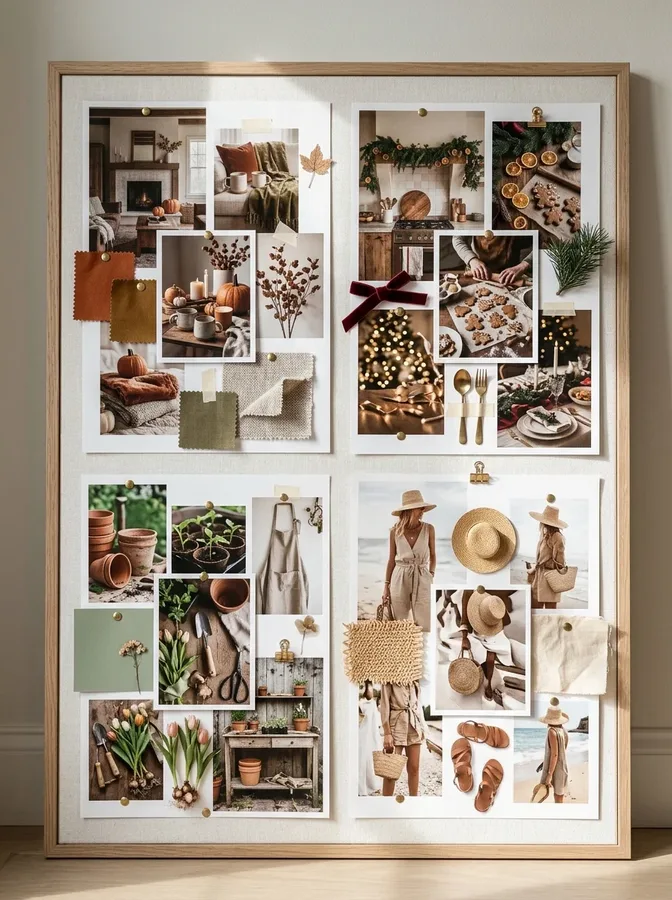
Seasonal visual consistency can make your Pinterest content more recognizable and appealing. Choose colors, typography, and imagery that naturally connect with the topic you are promoting. Spring pins might use soft greens, pastel pinks, and floral details, while autumn graphics could feature warm rust, golden yellow, and earthy brown tones. Winter designs often work well with muted neutrals, deep greens, and cozy textures. However, your seasonal palette should complement the actual subject instead of becoming a rigid design rule. Maintain recognizable branding through consistent fonts and layout choices while allowing individual pins to feel fresh. This balance helps create a cohesive Pinterest presence without making every graphic look identical.
15. Track Pinterest Analytics and Improve Your Strategy
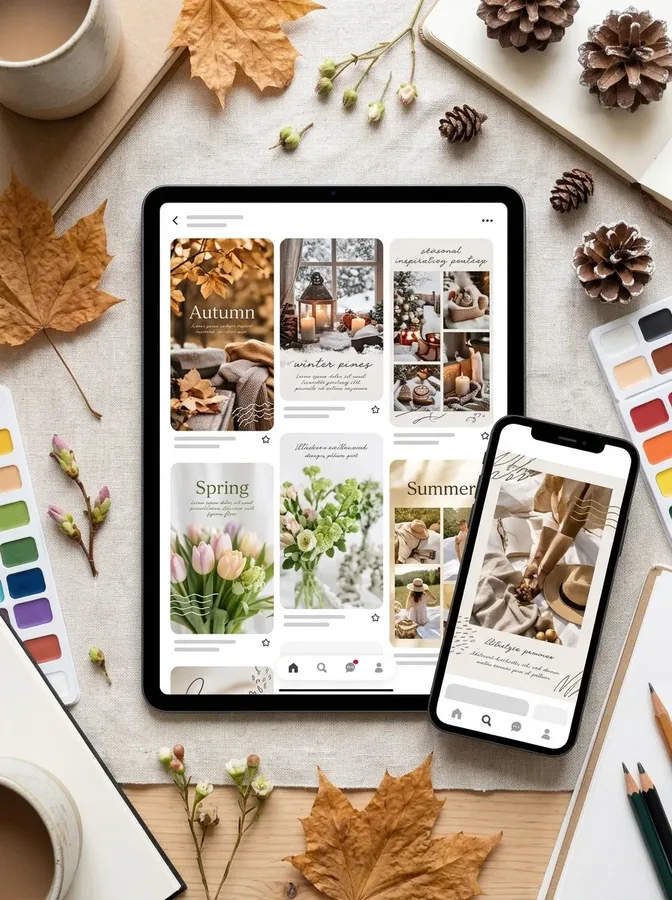
Regularly reviewing Pinterest analytics helps you understand which seasonal topics and pin designs are producing meaningful results. Look beyond impressions and examine saves, outbound clicks, and engagement trends. A pin may receive many impressions but generate relatively few website visits, suggesting that its headline, visual presentation, or content promise could be improved. Compare different designs and identify patterns in the topics that attract your target audience. Use your findings to guide future seasonal content rather than relying on guesswork. Check your website analytics as well to understand whether Pinterest visitors read additional articles or explore other pages. Measuring performance helps you focus on traffic quality instead of chasing numbers alone.
16. Create Evergreen Content With Seasonal Angles
Some blog topics remain useful throughout the year but become especially relevant during particular seasons. You can take advantage of this by creating evergreen articles with seasonal angles. For example, home organization content can become a January decluttering guide, while everyday recipe articles can be presented as summer picnic food ideas or cozy winter dinner inspiration. This strategy allows you to reuse valuable information in new, relevant contexts without producing repetitive articles. Make sure each seasonal variation offers a distinct benefit and links to the most appropriate resource. Evergreen content can also support your seasonal articles through internal links, helping readers discover more useful information after arriving from Pinterest.
17. Maintain a Consistent Seasonal Pinning Schedule
Consistency helps you maintain an active Pinterest presence and gives your content regular opportunities to reach interested users. Develop a realistic publishing schedule that accounts for new blog posts, refreshed articles, and seasonal campaigns. Rather than uploading a large batch of similar pins at once, distribute your content thoughtfully over time. Use a scheduling tool if it helps you organize publishing dates and maintain a manageable workflow. Prioritize relevant, high-quality pins over unnecessary volume, and make sure every graphic links to a useful destination. Review upcoming seasonal opportunities regularly so you can prepare content in advance. A sustainable schedule is easier to maintain and more valuable than occasional bursts of activity.
Conclusion
Growing blog traffic through seasonal Pinterest SEO requires a combination of preparation, keyword research, attractive graphics, and consistent optimization. Start by understanding what your audience searches for, then publish useful seasonal content before demand reaches its peak. Improve your pin titles, descriptions, boards, and images while regularly reviewing performance to identify what works best. Most importantly, make sure every pin leads to a relevant article that genuinely helps readers. You do not need to implement all 17 strategies at once. Choose a few improvements, apply them consistently, and expand your approach as you learn more about your audience. With thoughtful planning, Pinterest can become a valuable long-term source of seasonal blog traffic.
Leave a Reply