
Creating a beautiful home doesn’t have to mean constantly buying new furniture, following every design trend, or decorating an entire room in one weekend. Slow decorating offers a more thoughtful approach, encouraging you to build a home gradually with pieces that hold meaning, serve a purpose, and reflect your personality. Instead of rushing to fill empty corners, you take time to discover what genuinely belongs in your space.
Whether you’re refreshing a living room, transforming a bedroom, or adding character to a small apartment, slow decorating makes the process more enjoyable and intentional. It prioritizes quality over quantity, sentimental objects over disposable accessories, and timeless design over temporary trends. These 17 slow decorating ideas will help you create a warm, personal, and beautifully layered home, one meaningful piece at a time.
1. Start with One Meaningful Statement Piece
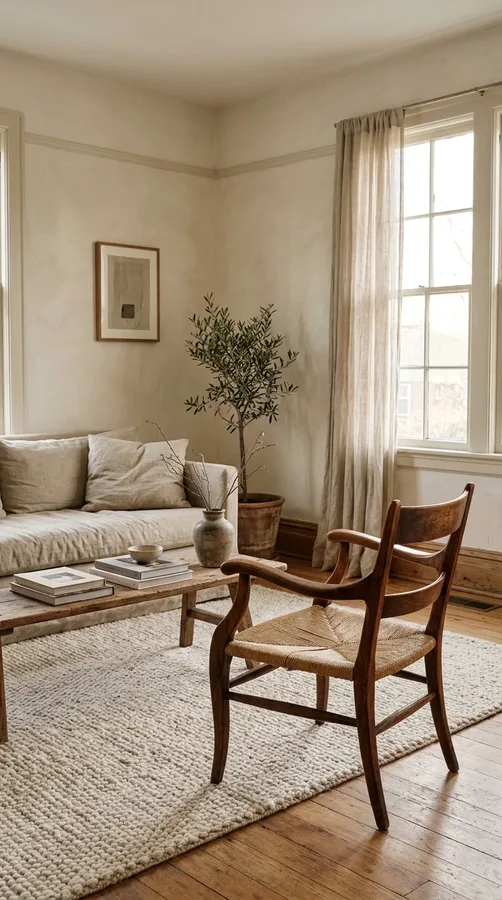
Rather than purchasing several decorative accessories at once, begin with one statement piece that genuinely speaks to you. It might be a beautifully crafted wooden cabinet, an oversized vintage mirror, an interesting sculpture, or a comfortable armchair in a color you love. Let this item establish the direction for the rest of your room. Consider its texture, proportions, and character before deciding what should accompany it. Over time, introduce complementary pieces that enhance its presence instead of competing for attention. This approach creates a more cohesive interior while giving every purchase a clear purpose. Most importantly, your statement piece becomes an anchor that makes the room feel personal rather than assembled from a showroom display.
2. Decorate with Vintage Furniture
Vintage furniture brings personality, craftsmanship, and a sense of history into modern interiors. Look for a second-hand dresser, antique side table, traditional wooden bench, or beautifully aged dining chair that has interesting details. You don’t need an entire collection to make an impact. A single vintage piece can introduce warmth and contrast into an otherwise contemporary room. Before purchasing, inspect its construction, joints, drawers, and overall condition to understand whether it needs restoration. Minor scratches and signs of age can add character, while structural problems may require professional attention. Pair vintage furniture with simple modern surroundings so its unique qualities stand out. This thoughtful approach also encourages reuse and helps reduce unnecessary furniture consumption.
3. Build a Personal Art Collection Slowly
Instead of purchasing matching wall art simply to fill empty space, develop an art collection that reflects your interests and experiences. Begin with one painting, illustration, handmade print, or photograph that makes you feel something. As you discover new artists and styles, add pieces gradually. Your collection might include landscapes, abstract artwork, botanical illustrations, or original creations from local makers. Mix different frame finishes and artwork sizes to create a collected appearance without making the arrangement feel chaotic. You can also leave some wall space empty while your collection develops. Choosing art slowly makes each addition more meaningful and gives your home a visual story that cannot be easily replicated.
4. Invest in Natural Wood Accents
Natural wood is one of the easiest ways to introduce warmth and timeless character into a home. Rather than replacing multiple furniture pieces, begin with a carefully selected wooden accessory, such as a solid oak stool, walnut serving board, carved bowl, or small side table. Different wood tones bring depth and texture to neutral interiors, while visible grain patterns make every piece feel individual. Choose responsibly sourced timber or reclaimed wood whenever possible. You can gradually repeat the same wood finish in other areas to create a subtle connection between rooms. Natural wood also works beautifully with linen, cotton, stone, and ceramics, making it a versatile foundation for slow, intentional decorating.
5. Display Family Heirlooms with Intention
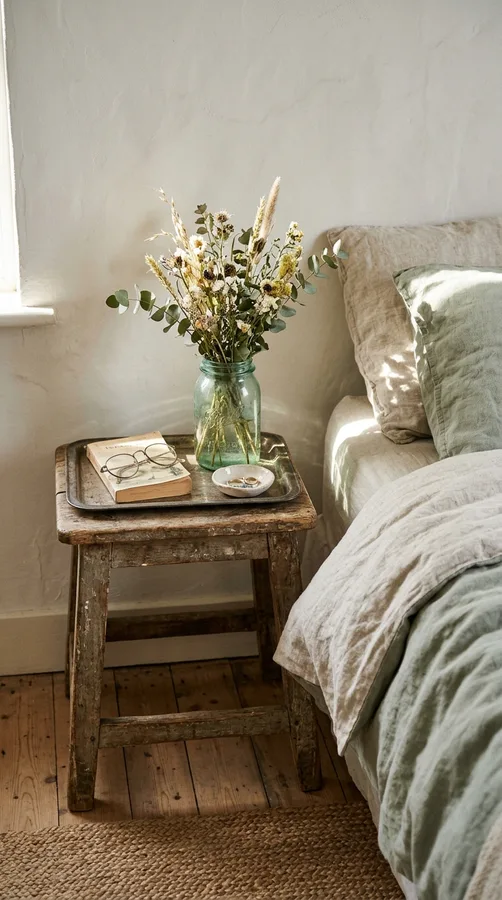
Family heirlooms can make a home feel deeply personal because they carry stories that ordinary decorative objects cannot reproduce. Consider displaying a grandmother’s ceramic vase, an inherited clock, an old wooden jewelry box, or a framed family photograph. Choose one meaningful item and give it a place where it can be appreciated rather than hiding everything in storage. A small shelf, console table, or bedside cabinet can provide an appropriate setting. Keep the surrounding decor relatively simple so the heirloom remains the focal point. If an object is fragile, protect it from direct sunlight, moisture, and accidental damage. Combining treasured belongings with contemporary furniture creates a beautiful connection between generations.
6. Choose Handmade Ceramic Accessories
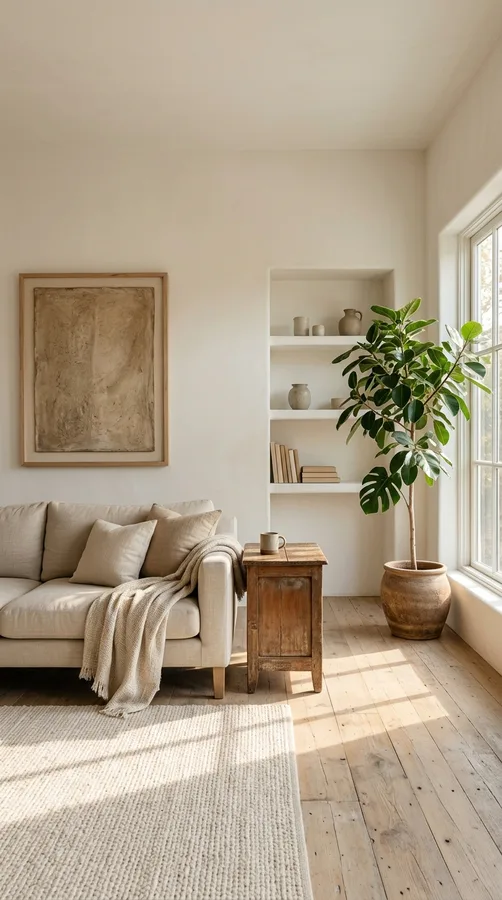
Handmade ceramics bring subtle imperfections and artistic character into everyday spaces. A hand-thrown vase, sculptural bowl, textured planter, or artisan coffee mug can make even a simple shelf feel thoughtfully decorated. Begin with one ceramic piece in a shape or glaze that complements your existing color palette. You might prefer earthy terracotta, soft cream, muted green, or beautifully irregular stoneware. Because handmade objects often have small variations, they add individuality without requiring elaborate styling. Consider supporting local ceramic artists and independent craft studios when shopping. Display your chosen piece somewhere it can be seen and used rather than collecting decorative objects that remain untouched. The result is a home that celebrates craftsmanship and everyday beauty.
7. Introduce Soft Linen Textiles
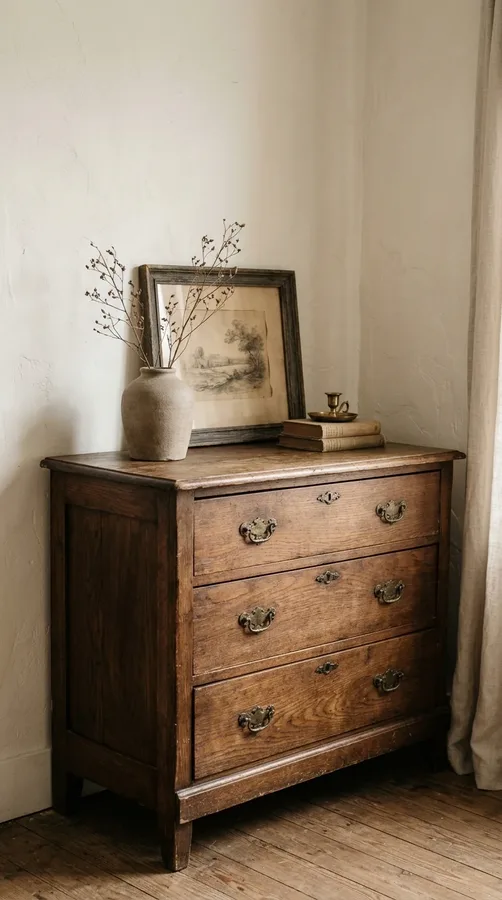
Textiles can transform a room without requiring major furniture purchases. Start with one quality linen cushion cover, lightweight curtain panel, natural-fiber throw, or relaxed tablecloth. Linen is especially appealing because its natural texture and gentle wrinkles create an effortless, lived-in appearance. Choose versatile colors such as warm white, oatmeal, taupe, or muted sage to make future decorating decisions easier. You can gradually introduce additional fabrics in complementary shades rather than purchasing an entire matching set. Pay attention to fabric composition, care instructions, and durability before buying. Natural textiles soften hard surfaces, improve visual comfort, and create an inviting atmosphere. They are also easy to update seasonally without completely changing your interior.
8. Create a Thoughtful Reading Corner
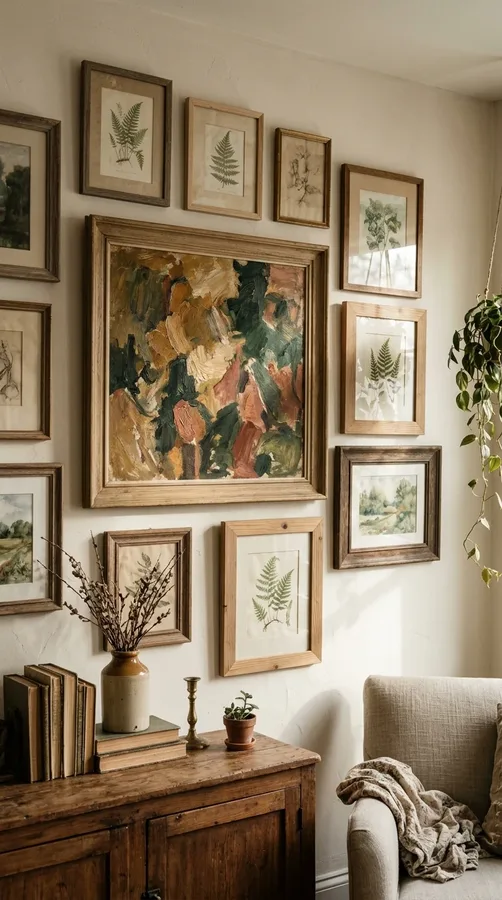
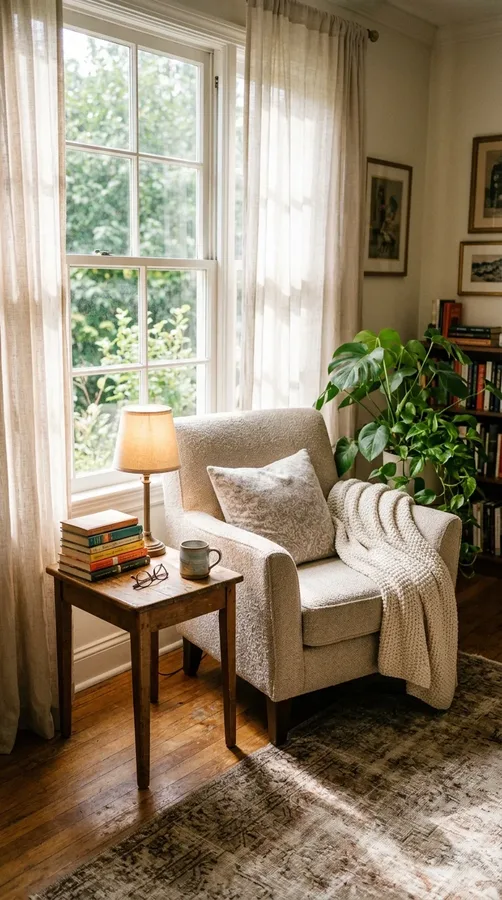
A reading corner is a wonderful example of decorating around something you genuinely enjoy. Begin with a comfortable chair that suits your space and provides proper support. Add a small side table when you need somewhere to place a book or cup of tea. Later, consider introducing a warm reading lamp, a soft blanket, and a small collection of favorite books. You don’t need an expensive library or an elaborate furniture arrangement to create a relaxing retreat. Even an unused bedroom corner or a sunny living room window can become a welcoming reading space. Choose accessories based on how you actually use the area. By building the corner gradually, you create a functional space that encourages rest and meaningful everyday rituals.
9. Decorate with Meaningful Travel Finds
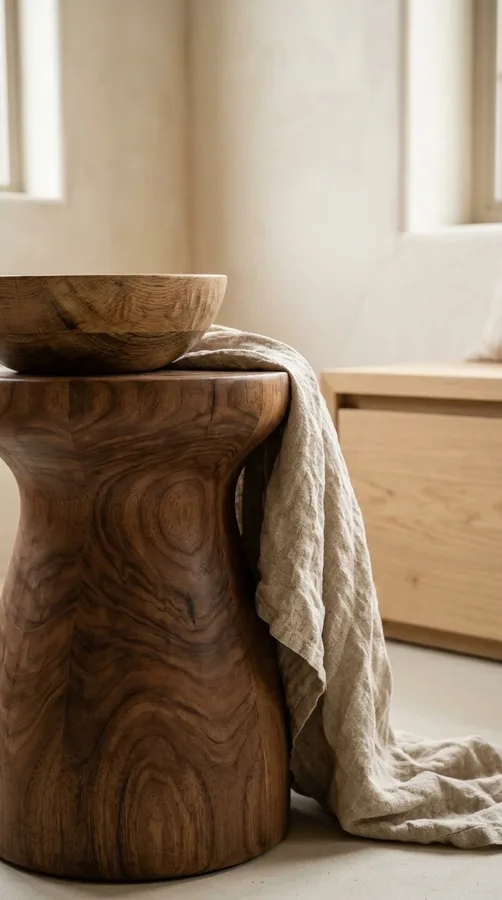
Travel souvenirs become much more special when they are selected thoughtfully rather than purchased simply because they are available. Look for locally made textiles, small artworks, handcrafted pottery, woven baskets, or objects that remind you of a memorable experience. A single meaningful travel find can introduce color and cultural character into your interior. Display it on a bookshelf, console table, or carefully arranged wall shelf where its story can be appreciated. Consider researching the maker and the object’s origin so you understand its cultural context. Avoid mass-produced souvenirs that imitate traditional crafts without supporting the communities they represent. Over time, your home can become a personal collection of experiences, with every object connected to a place or memory.
10. Add One Statement Houseplant
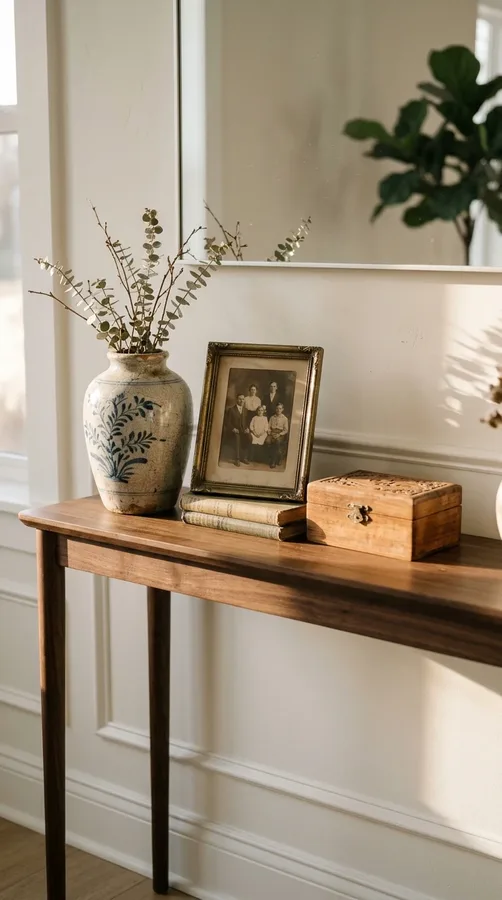
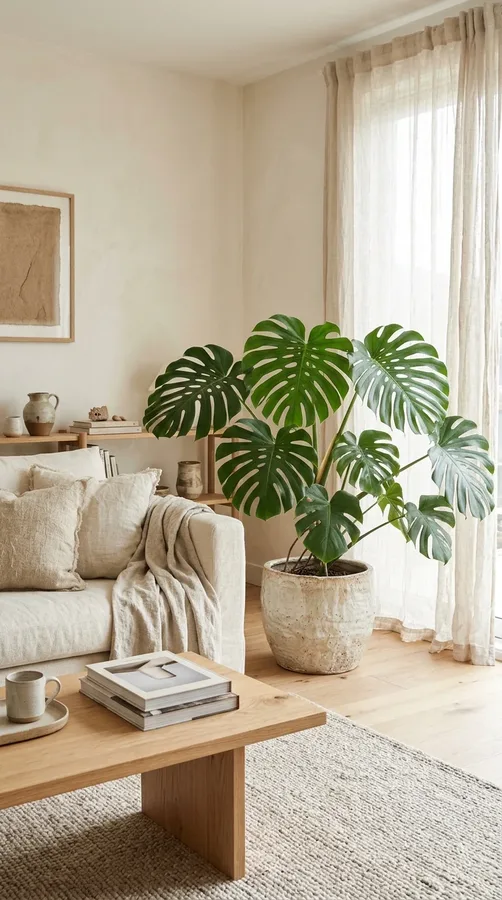
Plants bring movement, natural color, and a refreshing sense of life into interior spaces. Instead of filling every available surface with small pots, begin with one healthy statement plant that suits your room’s lighting and available space. A rubber plant, monstera, fiddle-leaf fig, or elegant palm can create a beautiful focal point when its growing requirements match your environment. Select a planter that complements your furniture without overpowering the foliage. Before purchasing, check the plant’s mature size, watering needs, and light preferences. As your confidence grows, introduce additional greenery where it serves a purpose. Caring for a plant also makes decorating more interactive, reminding you that a home develops and changes naturally over time.
11. Replace Fast Decor with Timeless Lighting
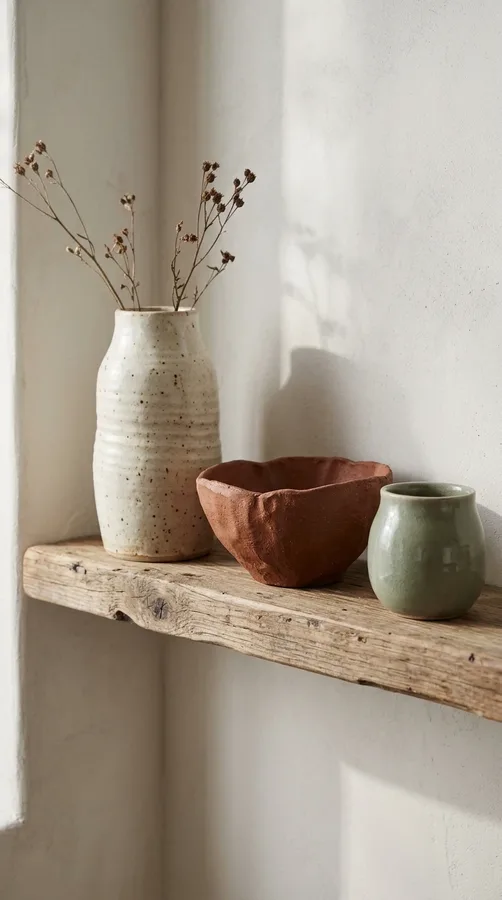
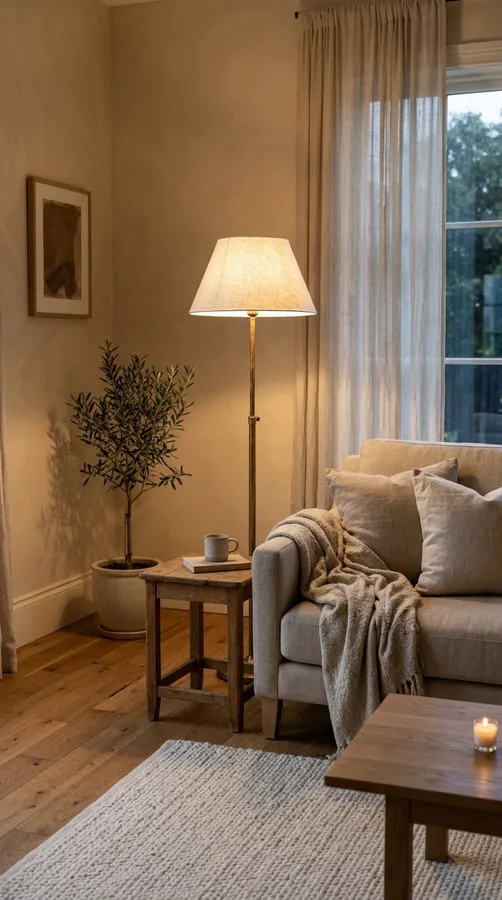
Lighting has a powerful influence on how comfortable and welcoming a room feels. Rather than purchasing multiple inexpensive decorative lamps, invest in one well-designed fixture that offers both beauty and practical illumination. A ceramic table lamp, vintage brass floor lamp, or simple fabric-shaded pendant can add character while improving the atmosphere. Consider the function of the room before choosing brightness and placement. Warm-toned bulbs generally create a relaxed feeling in living rooms and bedrooms, while task lighting is important for reading and working. Look for durable materials and replaceable components so the fixture remains useful for years. One carefully chosen lamp can make an existing room feel noticeably more complete without adding unnecessary clutter.
12. Style Bookshelves with Collected Objects
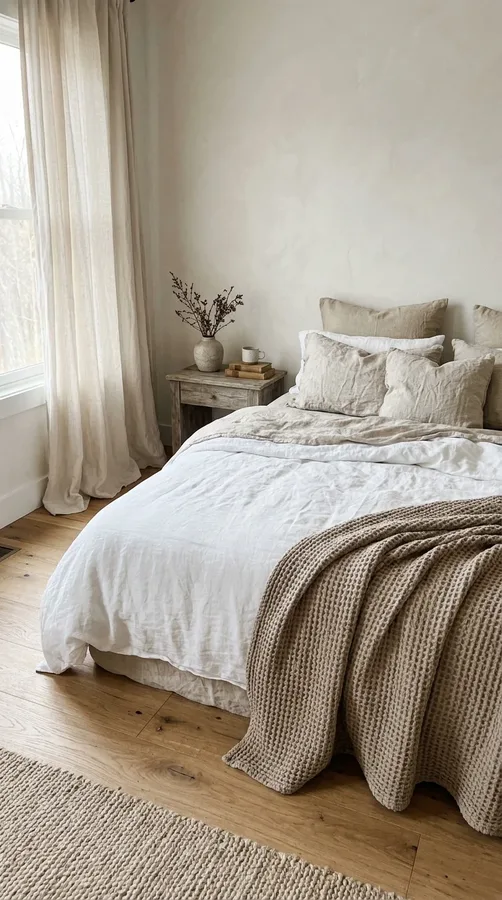
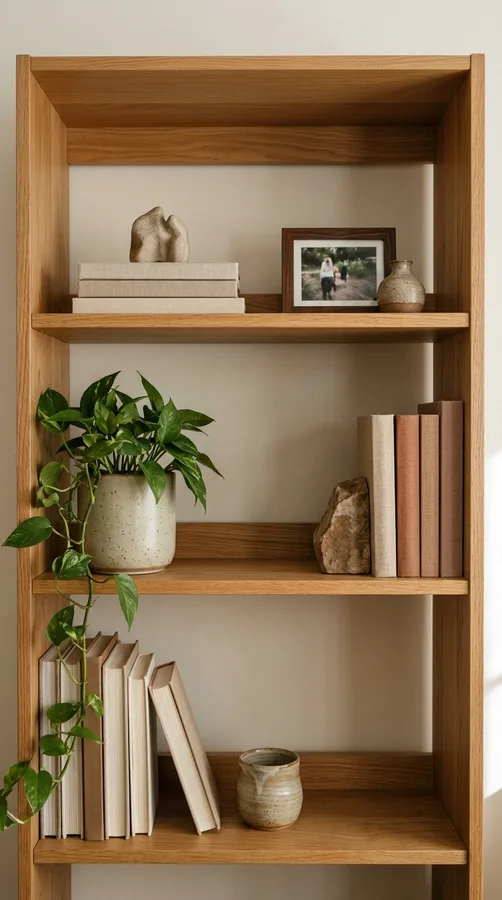
Bookshelves are excellent places to showcase a home that has developed gradually. Begin by arranging the books you already own, leaving some breathing room between groups. Add one or two meaningful objects, such as a small sculpture, framed photograph, handmade bowl, or travel souvenir. Vary the arrangement of horizontal and vertical books to introduce visual interest without making the shelves feel overly styled. You can also use empty sections to display plants or pieces of personal artwork. Resist the temptation to purchase decorative fillers simply to occupy every space. A thoughtfully edited bookshelf feels more authentic and makes it easier to appreciate individual objects. As your collection grows, rotate items rather than constantly buying new accessories.
13. Choose a Dining Table with Character
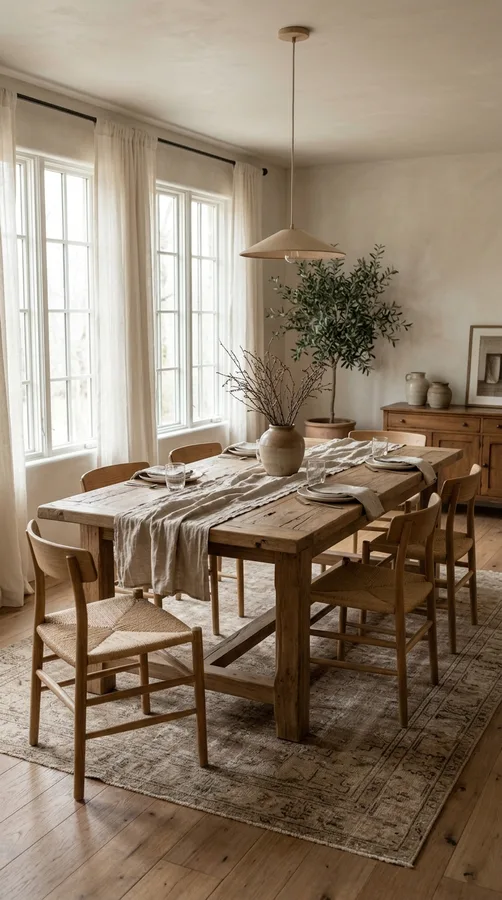
The dining table often becomes one of the most frequently used surfaces in a home, so choosing it carefully is worthwhile. Consider investing in a sturdy wooden table with a timeless silhouette instead of following a temporary furniture trend. Reclaimed timber, natural oak, and beautifully finished walnut can introduce warmth and texture. If a new table isn’t necessary, consider restoring an existing one by repairing minor damage or refreshing its finish. Keep the surrounding decor simple, allowing the table’s craftsmanship to remain visible. A handmade ceramic centerpiece or linen runner can be added later. Prioritizing a durable dining table supports slow decorating because it becomes a long-term part of everyday meals, conversations, celebrations, and family traditions.
14. Bring Nature Indoors with Organic Materials
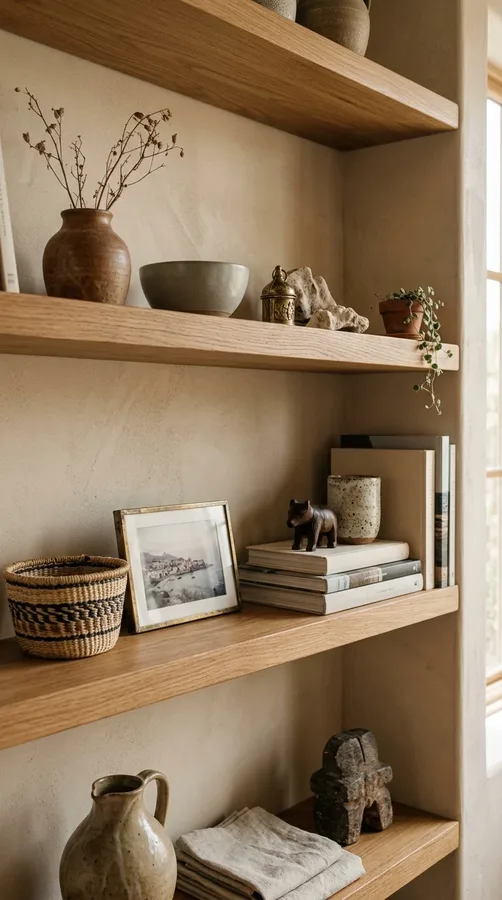
Organic materials help create interiors that feel relaxed, tactile, and connected to nature. Start with one thoughtfully chosen item made from rattan, jute, bamboo, wool, stone, or natural wood. A woven storage basket, textured jute rug, carved stone object, or bamboo pendant can introduce an interesting material contrast. These elements work particularly well with neutral palettes because their natural textures provide depth without relying on bold colors. Choose products that are responsibly sourced and made to withstand regular use. You can gradually repeat similar materials throughout your home to create a cohesive appearance. Mixing a few organic textures with smooth surfaces, such as glass or metal, keeps the overall design balanced rather than overly rustic.
15. Frame Photographs That Tell Your Story
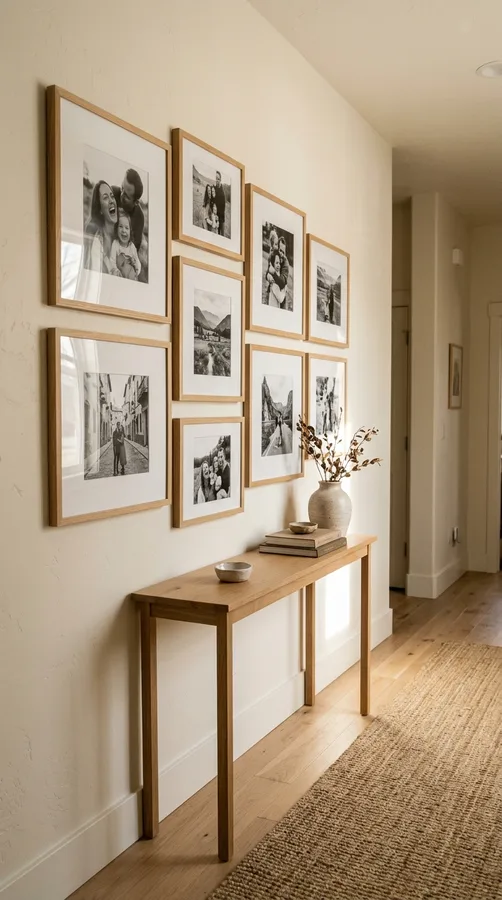
Personal photographs are among the most meaningful decorative pieces you can introduce into a home. Instead of printing dozens of pictures and displaying them all at once, select a few that capture important relationships, memorable journeys, or everyday moments. Choose simple frames that complement your interior, such as natural wood, brushed metal, or understated black. A single photograph on a bedside table can be just as impactful as an entire gallery wall. As your collection grows, create a thoughtfully arranged display in a hallway or living room. Consider using archival-quality printing and protective glazing for photographs you particularly treasure. This approach turns decorating into a way of preserving memories rather than simply filling empty surfaces.
16. Repurpose What You Already Own
One of the most sustainable slow decorating ideas is to look at familiar belongings in a new way. An old wooden stool might become a bedside table, a decorative tray could organize a coffee station, or a vintage glass jar might serve as a simple vase. Before purchasing something new, consider whether an existing object can fulfill the same purpose with a little creativity. Sometimes a thorough cleaning, minor repair, or fresh coat of suitable paint is all a piece needs. Make sure any modifications are appropriate for the material and intended use. Repurposing helps reduce waste, saves money, and encourages resourcefulness. It also makes your interior more distinctive because the objects reflect your own choices and experiences.
17. Leave Room for Your Home to Evolve
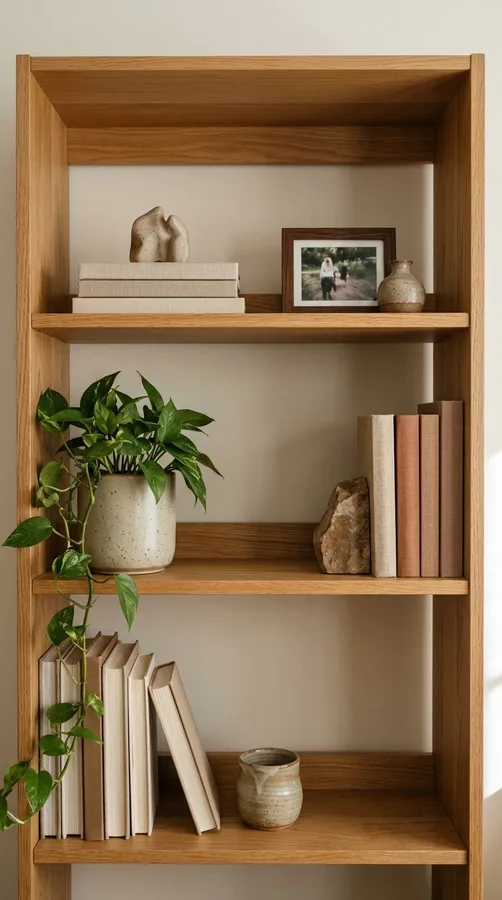
Perhaps the most important slow decorating idea is learning to appreciate an unfinished room. Empty corners and uncluttered shelves are not necessarily decorating problems that need immediate solutions. They give you space to discover what works as your routines, interests, and preferences change. Rather than rushing to purchase accessories, live with your current arrangement and notice which areas feel uncomfortable or incomplete. Keep a list of items you genuinely need, research quality options, and wait until you find something worth bringing home. Allow your interior to develop through thoughtful decisions instead of constant shopping. This flexible mindset creates a home that feels authentic, comfortable, and connected to the people who live in it.
How to Make Slow Decorating Work in Everyday Life
Slow decorating becomes easier when you approach it as an ongoing process instead of a major project with a strict deadline. Start by identifying what your home actually needs, then prioritize purchases according to usefulness, quality, and personal meaning. Before buying anything, consider whether it complements your existing belongings and whether you can imagine enjoying it several years from now.
These practical habits can help you maintain a thoughtful decorating routine:
- Set a realistic budget: Save gradually for durable furniture and meaningful accessories rather than relying on frequent impulse purchases.
- Shop second-hand: Explore vintage stores, estate sales, charity shops, and local marketplaces for distinctive finds.
- Measure before purchasing: Check dimensions and available space to avoid unnecessary returns or unsuitable furniture.
- Prioritize function: Choose objects that improve everyday living as well as the appearance of your home.
- Rotate existing decor: Refresh your surroundings by moving meaningful pieces between rooms instead of constantly buying replacements.
- Take your time: Give yourself permission to wait until you find something that feels genuinely right.
Conclusion
Slow decorating is about creating a home that reflects your personality, values, and everyday experiences rather than chasing an ever-changing collection of trends. By choosing vintage furniture, meaningful artwork, handmade accessories, natural materials, and treasured belongings, you can build an interior that feels warm and individual. Start with one piece you truly love, give it room to shine, and allow the rest of your home to develop naturally. A thoughtfully decorated home doesn’t need to be finished all at once. Its beauty comes from the memories, craftsmanship, and meaningful choices that accumulate over time.
Leave a Reply