
Seasonal Pinterest traffic can bring a valuable wave of visitors to your blog, website, or online business, but getting those results takes more than publishing attractive pins. Many creators miss important opportunities because they publish too late, overlook seasonal search behavior, reuse outdated designs, or fail to organize their content around what people actually want to find. These small Pinterest marketing mistakes can reduce visibility during the busiest shopping, decorating, and planning seasons of the year.
Whether you are preparing for Christmas, Thanksgiving, Valentine’s Day, spring decorating, or summer travel, a thoughtful Pinterest strategy can help your content reach people while they are actively searching for ideas. Understanding what hurts seasonal performance is the first step toward improving it. Here are 18 common Pinterest marketing mistakes to avoid so you can build stronger seasonal visibility, attract relevant audiences, and make the most of every publishing opportunity.
1. Publishing Seasonal Pins Too Late
One of the biggest Pinterest marketing mistakes is waiting until a holiday or seasonal event is already approaching before publishing related content. Pinterest users often search for inspiration weeks or months before they need it. Someone planning Christmas decorations in October may already have saved dozens of ideas before December begins. If your content appears too late, you can miss the early discovery period when interest starts growing. Create a seasonal publishing calendar that accounts for preparation time, design, writing, and indexing. Start sharing relevant pins well before the season arrives, then continue publishing throughout the period. Early preparation gives your content more opportunities to gain saves, engagement, and search visibility.

2. Ignoring Seasonal Keyword Research
Creating beautiful seasonal content without researching keywords can make it difficult for Pinterest to understand who should see your pins. Broad phrases such as Christmas ideas or summer inspiration may be highly competitive and fail to communicate the specific value of your content. Instead, investigate more descriptive searches, including small Christmas kitchen decorating ideas, easy Thanksgiving appetizers, or budget-friendly summer patio updates. Consider the language people use when planning, shopping, and solving seasonal problems. Include relevant phrases naturally in pin titles, descriptions, and board names. A focused keyword strategy helps connect your content with users who are searching for exactly what you offer.
3. Using the Same Pin Design for Every Season
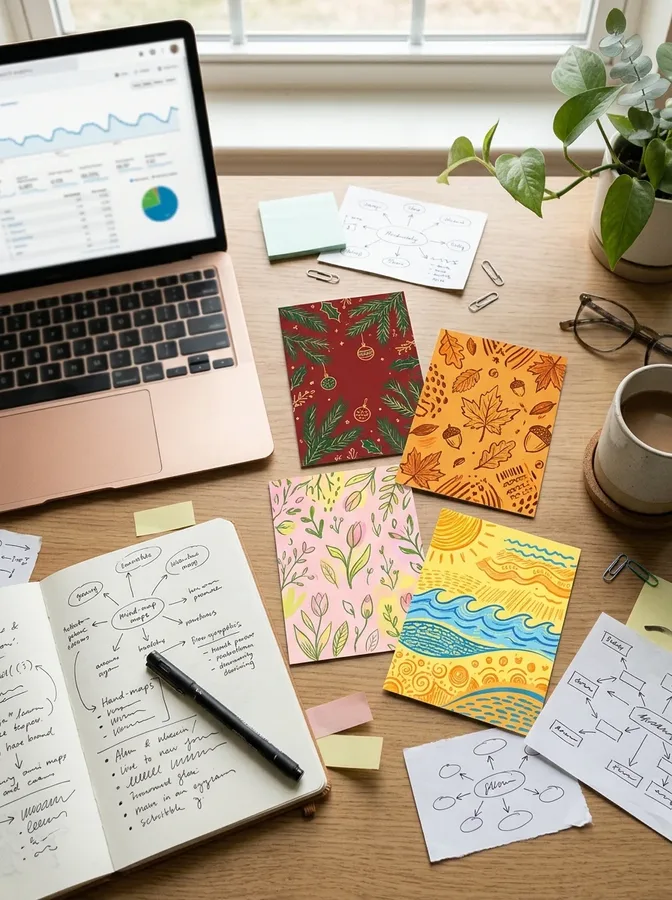
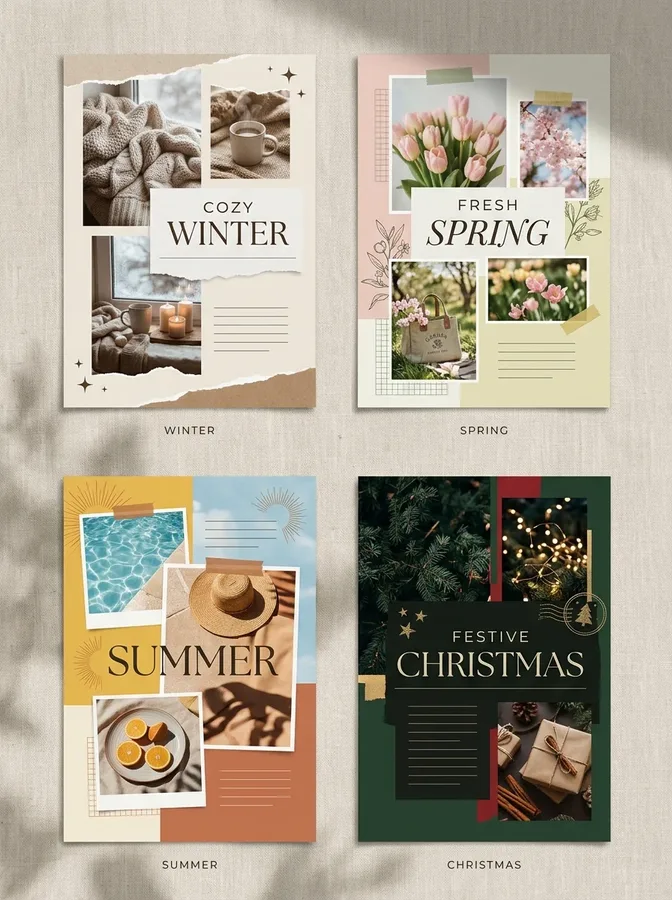
Seasonal audiences respond to different colors, moods, and visual themes throughout the year. A design that works for summer travel inspiration may not feel appropriate for a cozy winter decorating article. Repeating one generic template across every campaign can make your pins look disconnected from current seasonal interests. Adapt your visual presentation to the subject while maintaining recognizable branding. Use warm textures and rich tones for winter content, fresh colors for spring, and bright imagery for summer. Seasonal design should communicate the topic immediately without overwhelming the viewer. A thoughtful visual approach can make your content more appealing in crowded Pinterest search results.
4. Choosing Images That Do Not Match the Content
A visually attractive pin cannot perform well consistently if its image promises something the linked article does not deliver. For example, a pin featuring an elaborate luxury Christmas table may disappoint visitors who arrive at an article about inexpensive holiday decorations. This mismatch can damage trust and discourage people from exploring your website further. Choose images that accurately represent the information, products, recipes, or projects covered in the destination content. If your article includes several ideas, select a photograph that clearly illustrates one of its strongest sections. Honest visual presentation helps attract the right audience and creates a more satisfying experience after someone clicks.

5. Writing Weak or Unclear Pin Titles
Your pin title gives users an immediate reason to stop scrolling and explore your content. Generic titles such as Holiday Inspiration or Beautiful Home Ideas do not explain what visitors will discover after clicking. Strong titles communicate a clear topic and offer a useful benefit. For instance, 15 Cozy Winter Bedroom Ideas for a Relaxing Retreat is more informative than Winter Bedroom Inspiration. Place the primary keyword naturally near the beginning when possible, and make the wording easy to understand. Avoid excessive punctuation, exaggerated promises, or unnecessary capitalization. A specific, compelling title helps both Pinterest users and the platform understand the purpose of your content.

6. Writing Keyword-Stuffed Pin Descriptions
Adding keywords to Pinterest descriptions is important, but repeating the same phrase unnaturally can make your writing difficult to read. A description filled with variations of Christmas decor, Christmas decorations, Christmas decorating, and Christmas ideas may look spammy rather than helpful. Write a natural explanation of what the linked content contains. Include your primary keyword and a few closely related terms where they fit comfortably. Mention useful details, such as budget, style, audience, or project difficulty. A description should help people understand why the pin is relevant to their interests. Clear, informative language is more valuable than trying to squeeze every possible search phrase into a short paragraph.
7. Neglecting Pinterest Board Organization
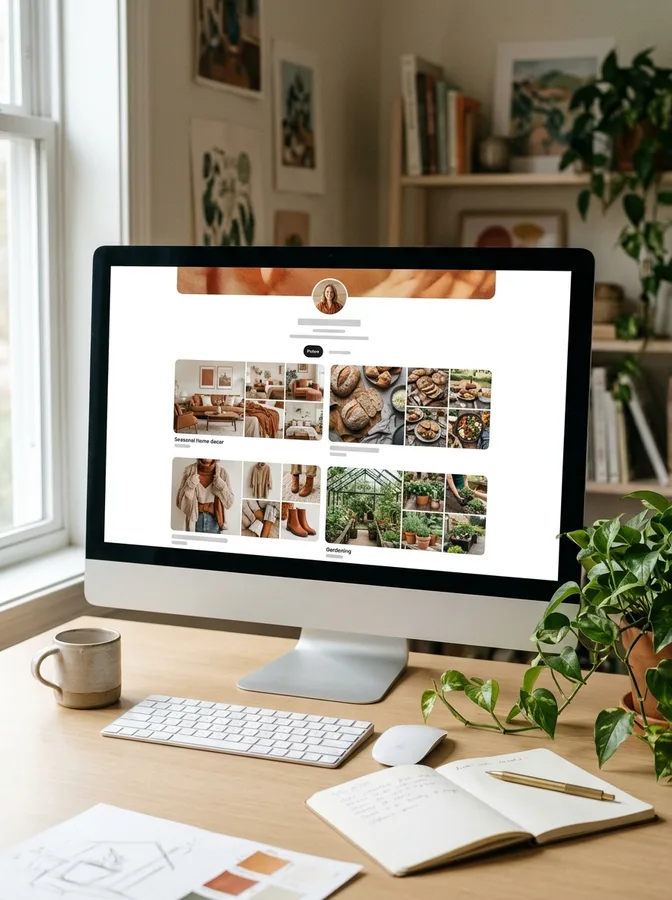
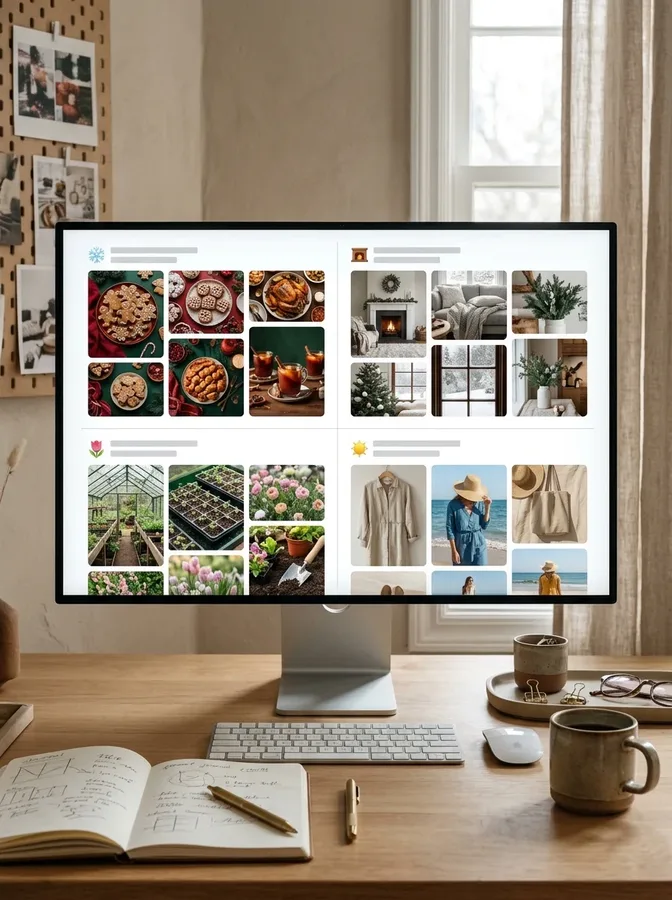
Boards help organize your content into meaningful categories, making it easier for visitors to discover related ideas. Placing Christmas recipes, summer outfits, bathroom renovations, and travel inspiration together on a single general board creates an unfocused collection. Instead, organize boards around specific topics and seasonal interests. Examples include Thanksgiving Dinner Ideas, Cozy Winter Home Decor, Spring Garden Inspiration, and Summer Vacation Outfits. Give each board a descriptive title and a useful description containing relevant keywords. Keep its content closely related to the main subject. Organized boards improve the browsing experience and give your Pinterest profile a more intentional appearance.
8. Forgetting to Update Older Seasonal Content
Older seasonal articles can continue attracting Pinterest visitors, but outdated information may reduce their usefulness. A Christmas gift guide might contain discontinued products, an old holiday recipe may include broken links, or a decorating article may have images that no longer reflect its recommendations. Review successful seasonal posts before their relevant traffic period begins. Replace unavailable products, correct outdated details, improve photographs, and check that all links work. You can also create fresh pin designs for an updated article without changing its original URL. Refreshing valuable existing content allows you to build on previous work instead of relying entirely on new publications every season.
9. Ignoring Pinterest’s Vertical Image Format
Image dimensions can influence how your content appears in Pinterest feeds and search results. Uploading poorly cropped horizontal images or graphics with unreadable text can weaken your visual presentation, particularly on mobile devices. Standard vertical pins with a 2:3 aspect ratio, such as 1000 by 1500 pixels, are a practical starting point for many campaigns. Keep important text and visual elements within the main design area so they remain visible when displayed at different sizes. Avoid stretching photographs or adding excessive decorative elements. A clean, appropriately sized pin makes it easier for viewers to understand your idea while scrolling through seasonal inspiration.

10. Publishing Without a Consistent Schedule
Seasonal marketing requires planning because audience interest changes throughout the year. Publishing several pins in one day and then disappearing for weeks can make your content strategy difficult to maintain. A realistic schedule helps you distribute new designs, seasonal articles, and relevant older content over time. You do not need to publish an overwhelming number of pins every day. Focus on a manageable routine that supports quality and consistency. Use Pinterest’s scheduling features or an approved scheduling tool to prepare content ahead of busy periods. Regular publishing also makes it easier to test different topics and identify which seasonal ideas attract meaningful engagement.

11. Reusing Identical Pins Repeatedly
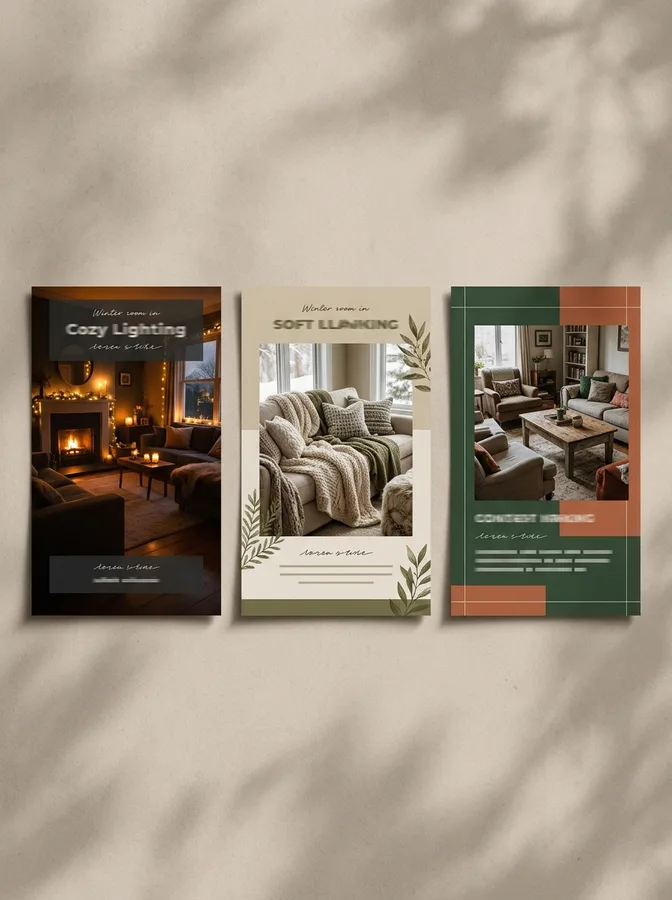
Sharing the same image, headline, and description repeatedly can make your Pinterest content feel repetitive. Even when an article deserves additional promotion, users benefit from seeing different creative approaches to the same subject. Develop several genuinely distinct pin designs that highlight separate benefits or sections of the article. A winter living room post, for example, could feature one pin about cozy lighting, another about affordable blankets, and another about furniture arrangements. Each design should remain relevant to the linked page and offer a clear reason to click. Creative variation helps you explore different visual angles without simply flooding your account with duplicate-looking content.
12. Failing to Create Mobile-Friendly Pin Designs
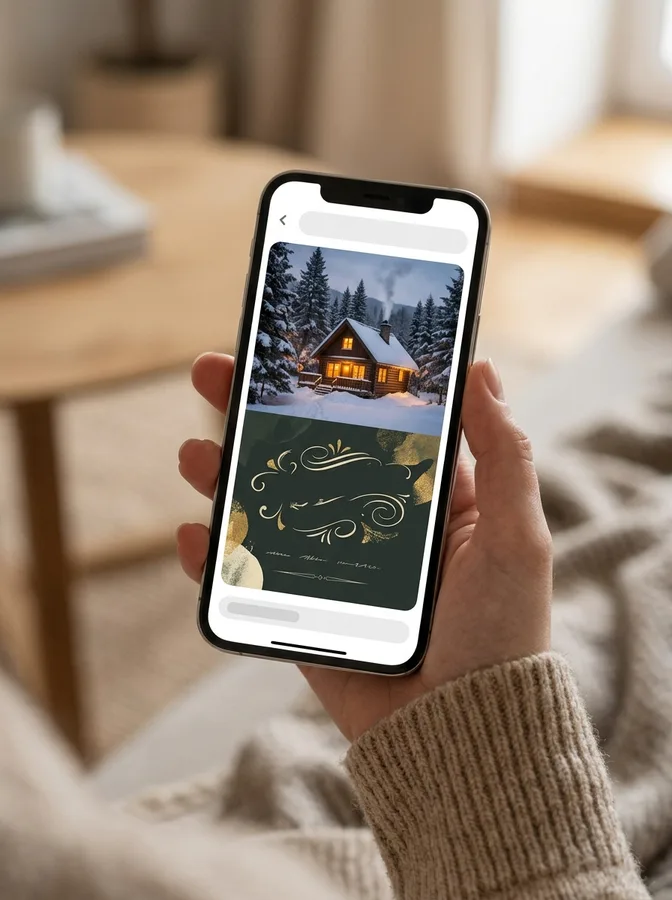
Many Pinterest users discover content on their phones, which means small design details can become difficult to read on mobile screens. Tiny typography, crowded layouts, low-contrast text, and complicated graphics can make a pin ineffective even when the original design looks impressive on a desktop computer. Preview your graphics at a smaller size before publishing. Use readable fonts, strong contrast, and a clear visual hierarchy. Limit the amount of text to the most important message and avoid placing essential details near the edges. A mobile-friendly design communicates its value quickly, allowing users to recognize relevant seasonal ideas without struggling to understand the image.

13. Linking Pins to the Wrong Website Pages
A seasonal pin should send visitors directly to the page that fulfills its promise. Linking a Thanksgiving recipe pin to your homepage, for example, forces readers to search for the information they expected to find immediately. This creates unnecessary friction and can reduce the value of your Pinterest traffic. Before publishing, open every destination URL and confirm that it loads correctly, works on mobile devices, and contains the relevant content. Check for broken links, redirects, expired landing pages, and unexpected pop-ups. If you create multiple pins for different sections of a seasonal article, make sure each one points to the appropriate destination rather than an unrelated page.

14. Overlooking Pinterest Analytics
Without reviewing performance data, it is difficult to understand which seasonal topics and creative approaches are working. Pinterest Analytics can help you evaluate impressions, saves, outbound clicks, and other available performance indicators. Do not judge every campaign using impressions alone. A pin with fewer impressions but a stronger outbound click rate may bring more valuable website visitors than a widely displayed pin that receives little action. Compare performance across topics, designs, and publishing periods. Look for patterns that can inform your next seasonal campaign. Regular analysis helps you spend more time creating content that supports your actual goals rather than repeating strategies without understanding their results.

15. Focusing Only on Popular Seasonal Trends
Popular holiday trends can generate attention, but following every trending topic may distract you from the subjects your audience genuinely needs. A creator who normally publishes budget-friendly home decorating ideas may not benefit from suddenly producing unrelated luxury fashion content simply because it is popular. Choose trends that naturally connect with your website’s niche and existing audience. You can also approach a popular seasonal theme from a more specific angle, such as affordable Thanksgiving table decorations or simple winter outfits for everyday wear. This combination of timely interest and relevant expertise helps your content remain recognizable while giving readers something useful and distinctive.

16. Neglecting Your Pinterest Profile and Branding
Your Pinterest profile gives visitors a broader impression of your content, so it should support the seasonal pins you publish. An incomplete profile, unclear description, inconsistent branding, or unrelated board collection can make it harder for new visitors to understand what your account offers. Use a recognizable profile image, write a concise keyword-aware bio, and organize your strongest boards around your main content categories. Keep your visual identity reasonably consistent through fonts, colors, and design choices without making every pin look identical. When someone discovers a seasonal pin and visits your profile, they should quickly recognize the type of ideas and information they can expect to find.
17. Ignoring Seasonal Content After Publishing
Publishing a seasonal article and immediately moving on to another topic can mean missing valuable opportunities. Monitor important pages throughout their relevant season and pay attention to changes in traffic, engagement, and search visibility. If a pin receives saves but few outbound clicks, consider whether its title or design communicates the article’s value clearly. If a destination page has technical problems, fix them promptly. You can also create additional relevant graphics when an article contains useful sections that deserve individual promotion. Seasonal content should be treated as an ongoing marketing asset rather than a one-time publishing task. Small improvements during the season can make your existing work more effective.

18. Giving Up Before Seasonal Content Has Time to Grow
Expecting every new pin to generate immediate website traffic can lead creators to abandon useful strategies too quickly. Pinterest performance can develop over time, and a newly published pin may need additional exposure before its results become meaningful. Some seasonal topics also have predictable periods of stronger interest, meaning a pin published early may become more valuable as the relevant holiday approaches. Instead of deleting content because it does not perform immediately, review its relevance, design quality, keywords, and destination page. Make thoughtful improvements and compare results over a suitable period. Patience, consistency, and informed adjustments are more sustainable than constantly changing your entire strategy.
Conclusion
Successful seasonal Pinterest marketing depends on more than attractive graphics and frequent publishing. Timing, keyword research, relevant imagery, organized boards, accurate links, and consistent performance reviews all contribute to a stronger strategy. Avoiding these 18 common mistakes can help you make better use of your seasonal content and create a more enjoyable experience for Pinterest users.
Start by reviewing your existing seasonal pins and identifying the areas that need improvement. Update outdated articles, prepare new graphics early, refine your keywords, and monitor the results of your campaigns. With thoughtful planning and consistent effort, your Pinterest marketing strategy can become a more reliable source of seasonal visibility and website traffic throughout the year.
Leave a Reply