
Thanksgiving and Christmas are two of the busiest and most rewarding seasons for bloggers, content creators, and online businesses. Readers actively search for holiday recipes, decorating inspiration, gift guides, entertaining tips, seasonal crafts, and practical ways to prepare for celebrations. For bloggers who rely on organic search and Pinterest traffic, these holidays offer an excellent opportunity to reach new audiences and build lasting engagement. However, successful seasonal content rarely happens by accident. It requires thoughtful planning, strategic keyword research, consistent publishing, and an understanding of what readers want throughout the holiday season. Starting early gives your content enough time to gain visibility before search interest peaks. Whether you run a lifestyle blog, food website, home decor platform, or parenting blog, a well-organized seasonal content calendar can make holiday publishing much easier. These 19 seasonal content planning tips will help you prepare engaging Thanksgiving and Christmas content, attract Pinterest users, and make the most of the holiday traffic opportunity.
1. Start Planning Your Holiday Content Early

One of the most important seasonal content planning tips is to begin preparing well before Thanksgiving and Christmas arrive. Holiday searches often increase weeks or even months before the actual celebrations, meaning content published at the last minute may struggle to gain traction. Start brainstorming topics during late summer or early fall, giving yourself enough time to research keywords, write articles, create graphics, and optimize each post. For example, Thanksgiving dinner ideas, Christmas decorating inspiration, and holiday gift guides should ideally be ready well before November and December. Early planning also reduces pressure during busy publishing periods. Create a seasonal calendar with realistic deadlines for research, writing, editing, publishing, and Pinterest promotion.
2. Research Thanksgiving and Christmas Keywords

Keyword research helps you understand exactly what your audience wants to discover during the holidays. Instead of choosing topics based only on personal inspiration, investigate the phrases people actually search for. Look for seasonal keywords such as easy Thanksgiving appetizers, cozy Christmas bedroom decor, budget-friendly holiday gifts, and simple Christmas crafts for kids. Pinterest search suggestions, Pinterest Trends, Google autocomplete, and keyword research tools can reveal useful variations. Pay attention to long-tail keywords because they often represent specific reader needs and provide opportunities to create focused articles. Organize your findings into separate Thanksgiving and Christmas keyword lists, then group related phrases by topic. This approach makes it easier to build relevant content clusters and avoid publishing several articles targeting exactly the same search intent.
3. Create a Dedicated Seasonal Content Calendar
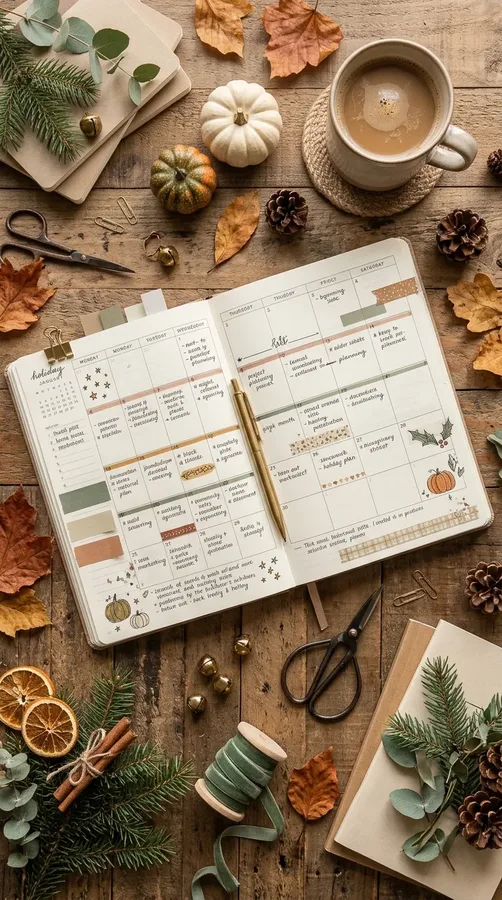
A seasonal content calendar gives your holiday publishing strategy structure and direction. Rather than deciding what to publish every week, map out your Thanksgiving and Christmas content in advance. Include article titles, primary keywords, target publishing dates, Pinterest design deadlines, and promotion schedules. You can organize your calendar using a spreadsheet, project management application, or simple printable planner. Consider dividing the calendar into preparation, early-season inspiration, peak holiday content, and last-minute ideas. For instance, publish Thanksgiving recipes and table decor inspiration early enough for readers to plan their celebrations, then transition toward Christmas decorating and gift content. A visual calendar helps you identify gaps, balance different categories, and maintain a consistent publishing schedule without overwhelming yourself.
4. Organize Content Around Holiday Topic Clusters

Topic clusters make your seasonal content more organized and useful for readers. Instead of publishing unrelated holiday articles, create groups of posts connected by a central subject. A Thanksgiving cluster might include turkey recipes, side dishes, appetizers, table settings, centerpieces, and hosting checklists. A Christmas cluster could cover tree decorating, mantel styling, homemade gifts, holiday desserts, and festive party ideas. Each article should address a distinct question while naturally connecting to other relevant posts through internal links. This structure encourages readers to explore more of your website and helps search engines understand the relationship between your articles. It also creates multiple Pinterest content opportunities because one central theme can generate several specific, searchable blog posts.
5. Focus on Seasonal Search Intent
Understanding search intent is essential when choosing Thanksgiving and Christmas blog topics. Someone searching for Thanksgiving menu planning needs practical meal ideas, while someone searching for Thanksgiving centerpiece inspiration wants visual decorating suggestions. Your content should match the reason behind each search rather than simply repeating a popular keyword. Before writing an article, examine the questions, images, and formats appearing in relevant search results. Determine whether readers want instructions, inspiration, comparisons, printable resources, or quick solutions. Then create content that delivers the information they expect. Matching search intent improves the reader experience and makes your articles more useful. It also helps your Pinterest graphics communicate a clear benefit, encouraging users to save and click through to your website.
6. Develop Thanksgiving Content Before Christmas Takes Over
Because Thanksgiving and Christmas overlap in the holiday planning season, it is important to give each celebration enough attention. Thanksgiving content should generally receive priority during the early fall, when readers are searching for recipes, entertaining ideas, fall decorations, and hosting inspiration. Prepare a collection of useful posts before the seasonal transition begins. Consider topics such as Thanksgiving appetizers, simple holiday desserts, elegant table settings, family activities, and budget-friendly hosting tips. Once Thanksgiving approaches, gradually increase your Christmas publishing schedule. This transition keeps your content relevant without abandoning either holiday. It also prevents your website from becoming dominated by Christmas articles before readers have had a chance to discover your Thanksgiving resources.
7. Build a Christmas Content Strategy Around Popular Categories
Christmas is a broad seasonal topic, so organizing your ideas into popular categories makes planning easier. Consider creating dedicated content around home decorating, Christmas recipes, handmade gifts, holiday fashion, family activities, party planning, and seasonal organization. Within each category, brainstorm specific topics that address different reader needs. For example, home decor content could include Christmas mantel ideas, small living room decorating, minimalist Christmas trees, and cozy bedroom styling. Food content could cover appetizers, cookies, festive drinks, and easy dinners. This category-based approach provides variety while keeping your editorial direction consistent. It also helps you identify which subjects deserve additional articles and which categories already have enough coverage for the upcoming holiday season.
8. Prioritize Evergreen Seasonal Content
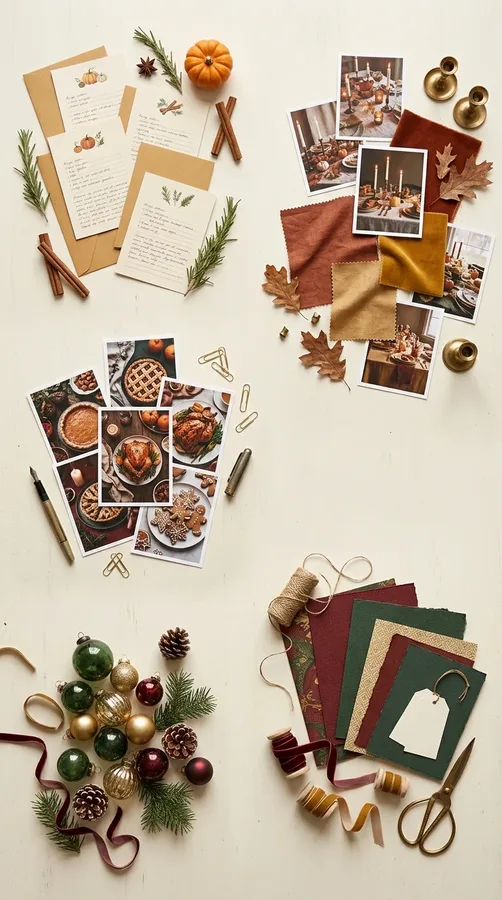
Not every holiday article needs to focus on a specific year’s trends or events. Evergreen seasonal content remains useful and searchable across multiple Thanksgiving and Christmas seasons. Examples include classic Christmas decorating ideas, traditional Thanksgiving side dishes, homemade holiday gift ideas, and easy winter organization tips. These articles can continue attracting organic traffic long after their original publication dates. When planning your calendar, balance timely trend-based content with topics that can be refreshed and reused. Update outdated product recommendations, replace old photographs when necessary, verify instructions, and improve internal links before each holiday season. Building an evergreen seasonal library reduces the amount of new content you must create every year while strengthening your website’s long-term traffic potential.
9. Create Pinterest-Friendly Blog Topics

Pinterest can be an important traffic source for seasonal bloggers because users frequently visit the platform to collect ideas and plan upcoming celebrations. When brainstorming blog topics, consider whether the subject can be communicated through an attractive vertical graphic. Topics such as 15 Christmas mantel decorating ideas, easy Thanksgiving desserts, and budget-friendly holiday gift baskets naturally translate into Pinterest-friendly content. Prioritize specific, visually appealing subjects that offer clear value. A broad article about holiday inspiration may be less compelling than a focused guide answering a particular question. Before adding a topic to your calendar, think about the image opportunities, potential pin headlines, and practical information the article can provide. This makes it easier to create content that works across both search engines and Pinterest.
10. Design Multiple Pinterest Pins for Important Articles

Creating just one Pinterest graphic for an important seasonal article can limit your opportunity to reach different audiences. Develop several original pin designs that promote the same useful blog post while presenting different visual approaches or headlines. For example, an article about Christmas kitchen decor might have one pin highlighting cozy farmhouse styling and another emphasizing simple budget-friendly decorations. Use clear typography, appealing photography, readable text, and vertical layouts that look attractive on mobile devices. Each design should communicate the article’s actual content without making misleading promises. Schedule the pins strategically rather than publishing every variation simultaneously. Reviewing performance over time can help you identify which designs and messaging styles generate the strongest engagement and website visits.
11. Plan Seasonal Content Around Your Audience’s Problems
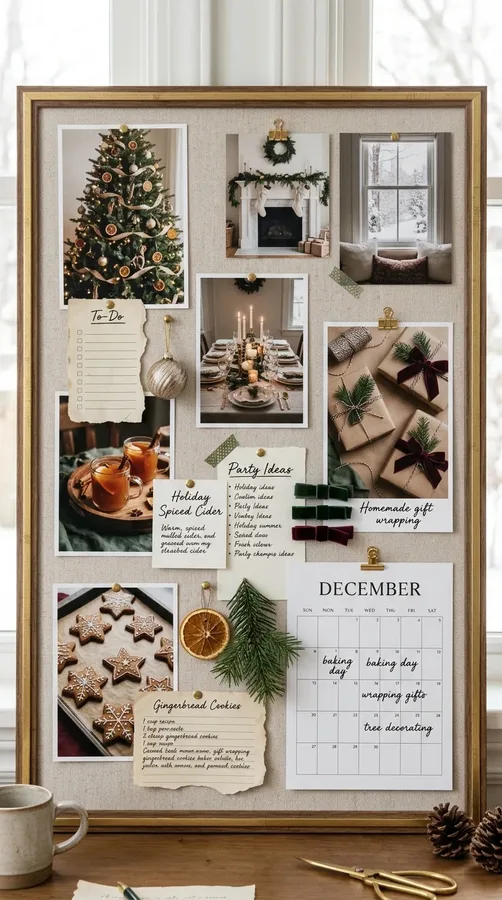
The most useful holiday content solves real problems rather than simply following seasonal trends. Readers may be looking for affordable Thanksgiving menus, quick Christmas crafts, small-space decorating solutions, or ways to organize a busy holiday schedule. Identify common challenges your audience faces and develop articles that provide practical answers. For example, a post about preparing Thanksgiving dinner ahead of time could include make-ahead recipes, storage advice, and a realistic preparation timeline. A Christmas organization article might explain how to store decorations, arrange gift supplies, and manage seasonal clutter. Content that addresses specific frustrations tends to offer more lasting value. It also gives Pinterest users a compelling reason to save your graphics for future reference.
12. Prepare Gift Guides and Shopping Content Early

Gift guides are especially popular during the Christmas shopping season, but they require preparation to remain helpful and relevant. Begin researching potential gift categories early, including gifts for parents, children, teachers, coworkers, hosts, and people with particular hobbies. Focus on clear recommendations that suit different interests and budgets. If your content includes affiliate links, disclose those relationships appropriately and make sure product information is accurate. Avoid publishing recommendations without checking availability, pricing, and suitability. You can also create non-product gift articles featuring homemade presents, printable gift tags, personalized packaging, and DIY gift baskets. Publishing these resources before the busiest shopping weeks gives readers more time to discover your suggestions and make thoughtful purchasing decisions.
13. Repurpose Existing Blog Content for the Holidays
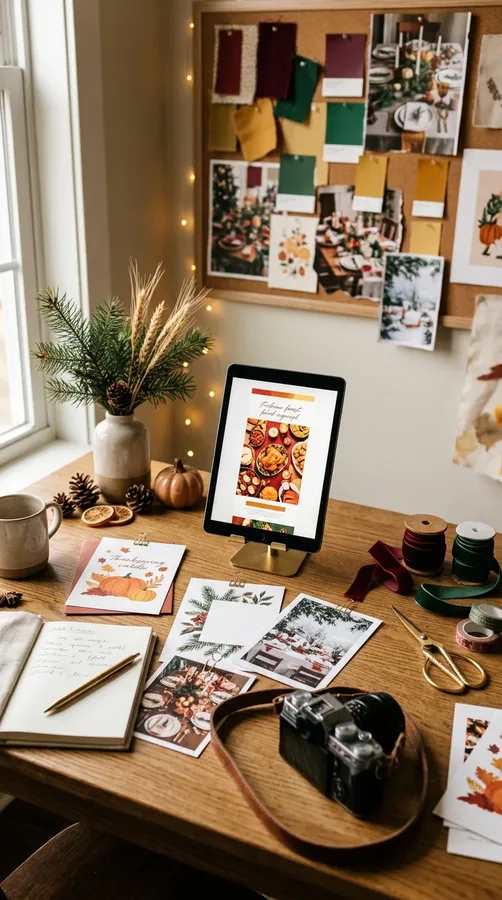
Repurposing existing content is an efficient way to expand your seasonal publishing schedule without starting every article from scratch. Review your website for older posts that could be updated with a holiday angle. A general cookie recipe might become a Christmas cookie platter guide, while a home organization article could inspire a practical post about preparing your house for holiday guests. You can also transform existing content into checklists, Pinterest graphics, email newsletters, and social media posts. However, repurposing should add genuine value rather than simply changing a headline. Update the information, improve the examples, and make sure the revised content serves a distinct search purpose. This strategy helps you maximize the value of your existing work while keeping your seasonal content fresh.
14. Build a Consistent Seasonal Publishing Schedule
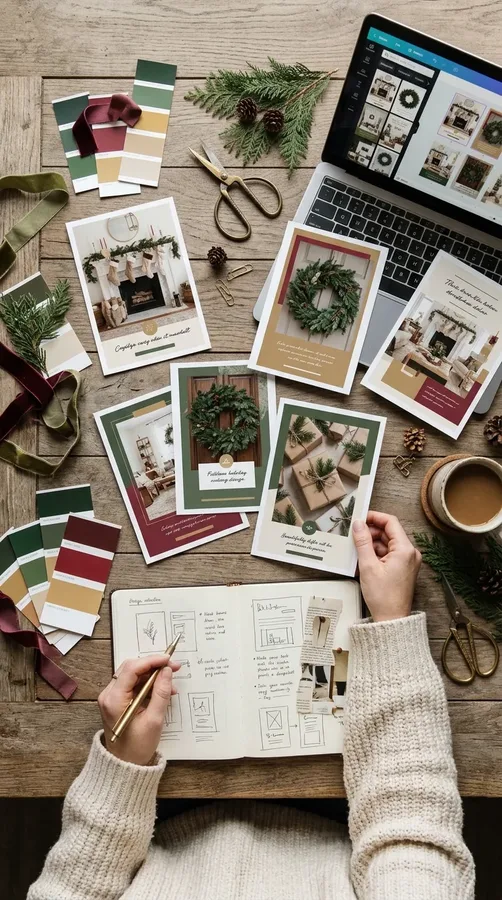
Consistency helps you maintain momentum during a busy holiday publishing season. Rather than publishing several articles in one week and disappearing for the next month, choose a realistic schedule you can maintain. Your publishing frequency should reflect your available time, content quality standards, and audience expectations. For example, you might publish two detailed blog posts each week while preparing Pinterest graphics and updating older seasonal articles on other days. Reserve dedicated time for writing, editing, keyword optimization, and promotion. It is also helpful to keep a small collection of completed articles ready for unexpected delays. A manageable schedule reduces stress and allows you to concentrate on producing useful content instead of rushing to meet unrealistic deadlines.
15. Include Practical Holiday Checklists and Printables

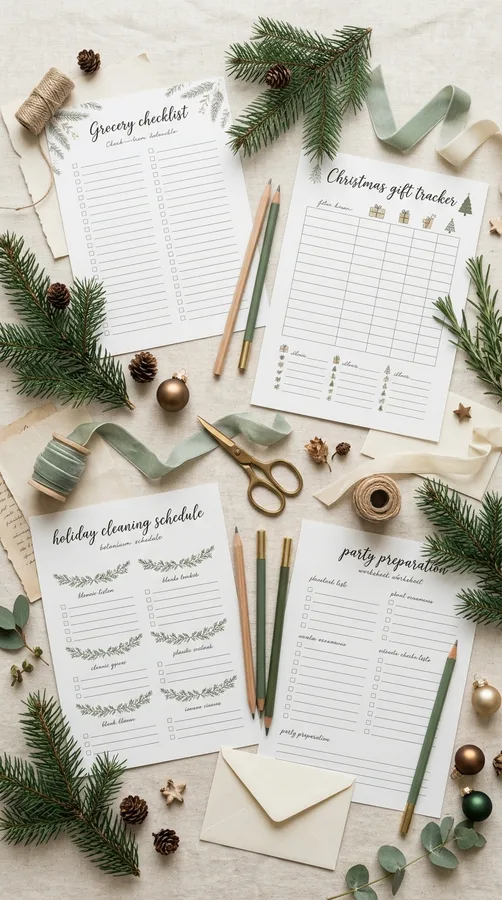
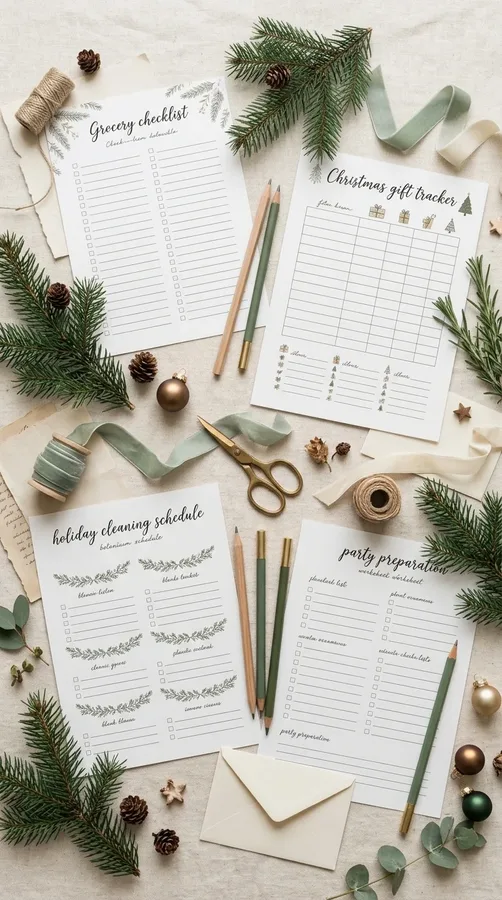
Checklists and printable resources make seasonal articles more actionable and encourage readers to save useful information for later. Consider creating a Thanksgiving grocery checklist, Christmas gift tracker, holiday cleaning schedule, party preparation timeline, or seasonal decorating planner. These resources can accompany detailed blog posts or become standalone articles targeting specific searches. Keep the design simple, organized, and easy to print. Include practical details rather than filling the page with decorative elements that make the resource difficult to use. You can also create Pinterest graphics that highlight the printable’s benefits and direct readers to the complete resource. Useful downloadable content gives your audience an additional reason to visit your website and can help build an email subscriber list.
16. Optimize Older Holiday Articles Before the Season

Your previous Thanksgiving and Christmas articles may already have valuable search visibility, making them worth reviewing before creating entirely new posts. Examine older articles for outdated information, broken links, missing images, weak introductions, and opportunities to improve readability. Update relevant headings, strengthen internal links, and make sure the content still satisfies current reader expectations. Review your Pinterest graphics as well, replacing designs that look outdated or no longer communicate the article’s value clearly. Check whether older posts cover related keywords that could be addressed more thoroughly. Avoid changing URLs unnecessarily, especially when a post already has backlinks or established search traffic. Thoughtful seasonal updates can help existing content remain useful and competitive year after year.
17. Use Seasonal Trends Without Chasing Every Trend

Holiday trends can provide fresh content opportunities, but not every popular idea deserves a place in your editorial calendar. Monitor Pinterest Trends, social media conversations, and relevant search suggestions to discover emerging interests. You might notice growing interest in vintage Christmas decorations, natural Thanksgiving tablescapes, handmade ornaments, or budget-friendly entertaining. Choose trends that genuinely connect with your audience and fit your website’s subject matter. Before investing time in a new article, consider whether the trend has enough practical value and whether you can create original, helpful coverage. Combining timely inspiration with evergreen topics gives your seasonal strategy flexibility. This balance helps your website stay relevant without depending entirely on short-lived trends that may disappear quickly.
18. Track Seasonal Content Performance and Improve Your Strategy

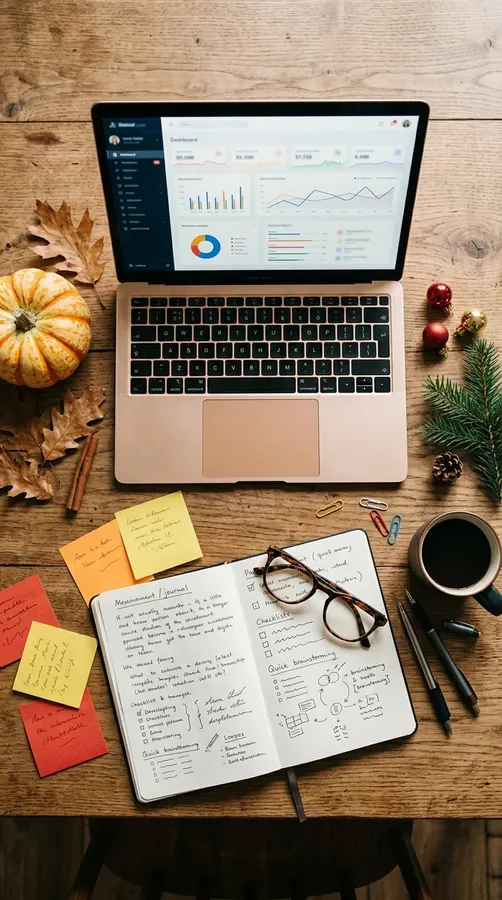
Monitoring performance helps you understand which Thanksgiving and Christmas topics deserve more attention. Use Google Analytics, Google Search Console, and Pinterest Analytics to evaluate traffic, impressions, clicks, saves, and engagement. Look beyond overall page views to identify the specific articles and keywords attracting your most valuable visitors. For example, you may discover that Christmas organization articles perform better than gift guides, or that Thanksgiving appetizer pins receive more clicks than general holiday recipes. Record these findings in your content calendar so they can inform future decisions. Allow enough time for seasonal content to gain visibility before judging its performance. Regular analysis turns each holiday season into an opportunity to improve your next publishing strategy.
19. Create a Post-Holiday Content Plan
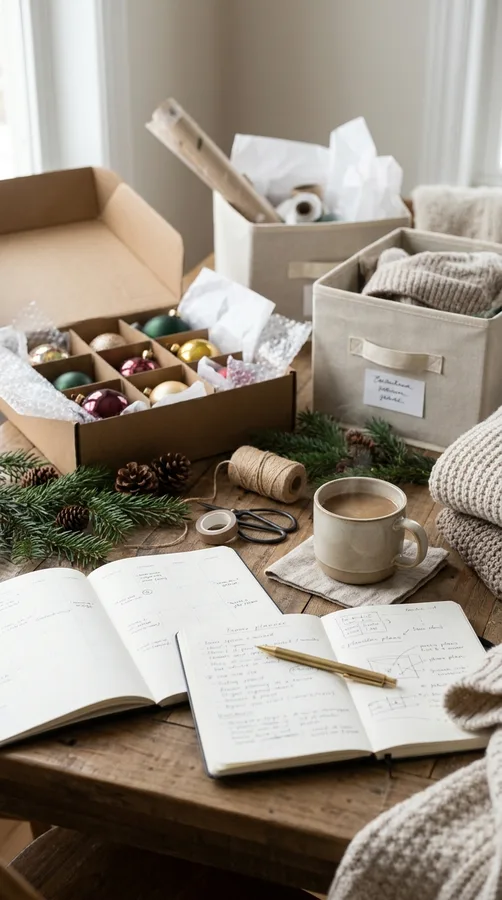
Your seasonal content strategy should not end when Christmas Day arrives. The period immediately after the holidays creates new opportunities to connect with readers who are thinking about organization, winter routines, New Year preparations, and future celebrations. Plan articles about taking down Christmas decorations, storing holiday supplies, organizing gift receipts, refreshing winter interiors, and setting household goals. You can also review your seasonal performance, identify successful Pinterest designs, and update your editorial calendar for the following year. Save useful keyword research, content briefs, and design templates so you can reuse them efficiently. Planning beyond December creates a smoother transition into the next publishing season and prevents your website from experiencing an unnecessary content gap.
Conclusion: Make Thanksgiving and Christmas Content Planning Easier
Successful Thanksgiving and Christmas content planning begins with preparation, thoughtful keyword research, and a clear understanding of your audience. By building a seasonal editorial calendar, organizing related topics, publishing early, and creating Pinterest-friendly graphics, you can give your articles more opportunities to reach readers. Remember to balance timely holiday trends with evergreen content that continues delivering value in future seasons. Updating older posts, tracking performance, and preparing resources for the weeks after Christmas will make your strategy even stronger. You do not need to publish everything at once or chase every trending topic. Focus on creating genuinely helpful content, maintaining a realistic schedule, and giving each article enough time to gain visibility. With these 19 seasonal content planning tips, you can approach Thanksgiving and Christmas with greater confidence, less stress, and a more organized strategy for growing your blog traffic.
Leave a Reply