
Creating a beautiful home doesn’t have to mean buying everything brand-new. Sustainable decorating offers a thoughtful way to design spaces that feel personal, welcoming, and stylish while reducing unnecessary waste. By choosing recycled materials, restoring vintage furniture, shopping second-hand, and finding creative ways to reuse everyday objects, you can give your home a fresh look without constantly consuming new resources. The best part is that sustainable decor doesn’t require sacrificing comfort or visual appeal. From reclaimed wood furniture and thrifted artwork to upcycled planters and repurposed textiles, small choices can make a meaningful difference. Whether you’re decorating a cozy apartment, refreshing a living room, or transforming an entire home, these sustainable decor ideas will help you create an inviting space with character, creativity, and a lighter environmental footprint.
1. Decorate with Reclaimed Wood Furniture
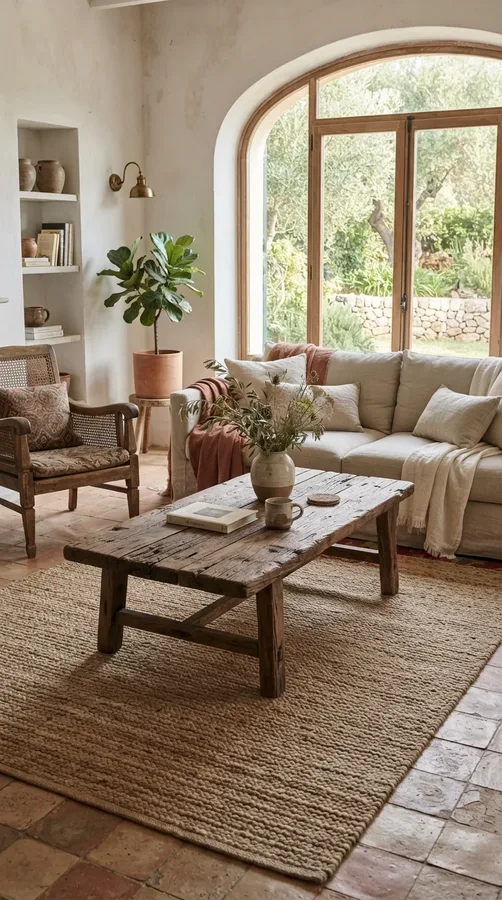
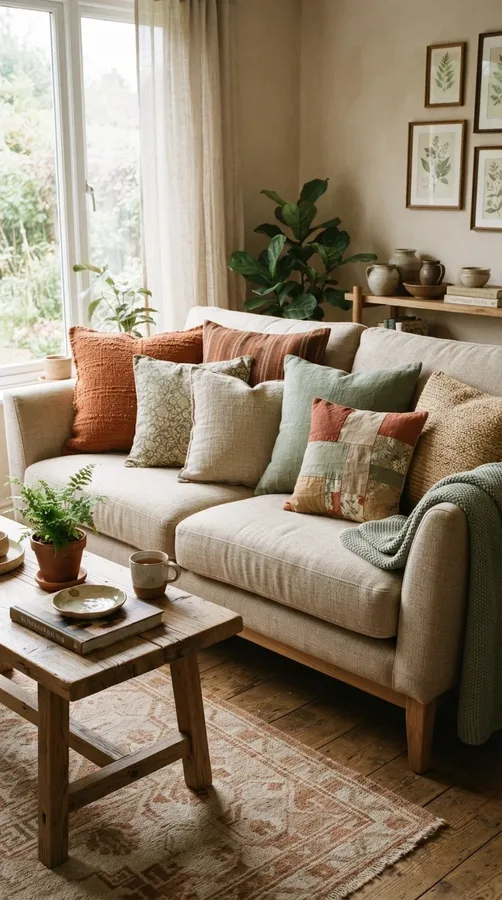
Reclaimed wood furniture brings natural warmth, beautiful imperfections, and timeless character into any home. Instead of purchasing newly manufactured pieces, look for tables, shelves, benches, and cabinets made from salvaged timber. Old floorboards, barn wood, and recovered construction materials can become striking furniture with a second life. A reclaimed wood coffee table looks especially inviting in a living room styled with neutral upholstery and soft textiles. You can also find local craftspeople who transform discarded wood into custom furniture. Choose pieces with sturdy construction and finishes that are safe for indoor use. The natural grain, weathered texture, and subtle variations make every item unique while helping reduce demand for newly harvested timber.
2. Create a Vintage Thrift Store Gallery Wall
A gallery wall made with second-hand artwork is an affordable way to introduce personality without purchasing mass-produced decorations. Visit thrift shops, flea markets, estate sales, and antique stores to discover vintage paintings, botanical prints, old photographs, and interesting illustrations. Combine different frame sizes and finishes for an collected appearance, or paint mismatched frames in a shared color to create a more coordinated display. You don’t need expensive original artwork to make the arrangement feel special. Look for subjects and colors that complement your existing furniture and wall palette. Before hanging everything, arrange the pieces on the floor to experiment with spacing. This approach transforms overlooked finds into a meaningful focal point.
3. Turn Glass Jars into Decorative Storage
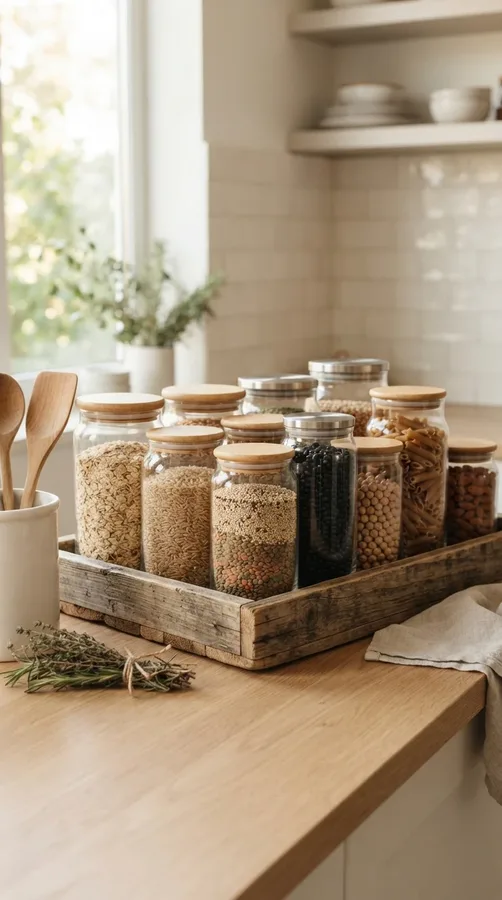
Glass jars are among the easiest household items to reuse creatively. Rather than throwing away empty food containers, clean them thoroughly and turn them into attractive storage for kitchens, bathrooms, craft rooms, and home offices. Use larger jars for pantry staples, smaller ones for cotton pads, and decorative containers for buttons, beads, or stationery. For a more polished appearance, remove labels, use matching lids, and group jars on a reclaimed wooden tray. You can also transform a few into simple flower vases or candle holders, provided they are suitable for the intended use. Reusing glass reduces disposable packaging waste and creates practical decor that feels organized and thoughtfully styled.
4. Choose Second-Hand Upholstered Furniture
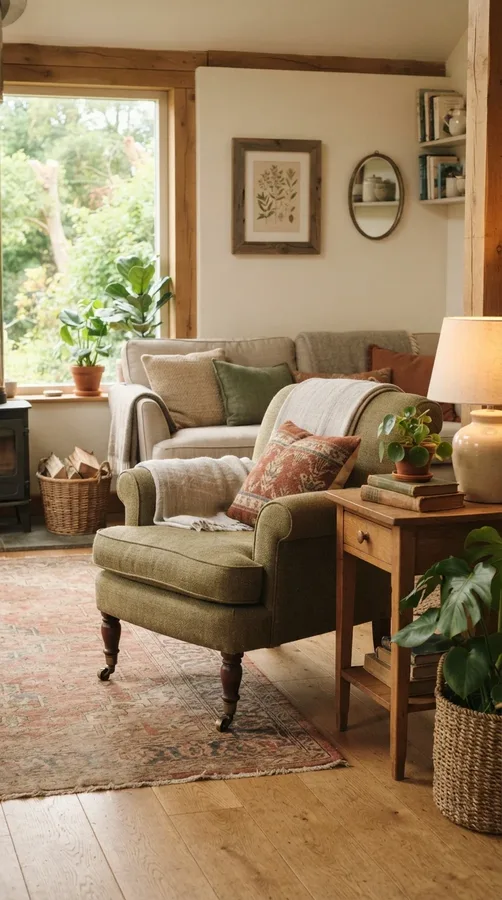
Buying second-hand sofas, armchairs, dining chairs, and ottomans can prevent perfectly usable furniture from ending up in landfills. Search local resale platforms, charity shops, furniture warehouses, and estate sales for well-made pieces with solid frames. Pay attention to construction, upholstery condition, odors, and signs of moisture or pests before purchasing. A dated armchair can become a beautiful statement piece with professional reupholstery or a carefully selected washable cover. Choose durable, neutral fabrics if you want flexibility when changing your decor later. Even a single pre-loved accent chair can give a room more character than a collection of inexpensive new accessories. Prioritize comfort and quality over appearance alone.
5. Make Planters from Upcycled Containers
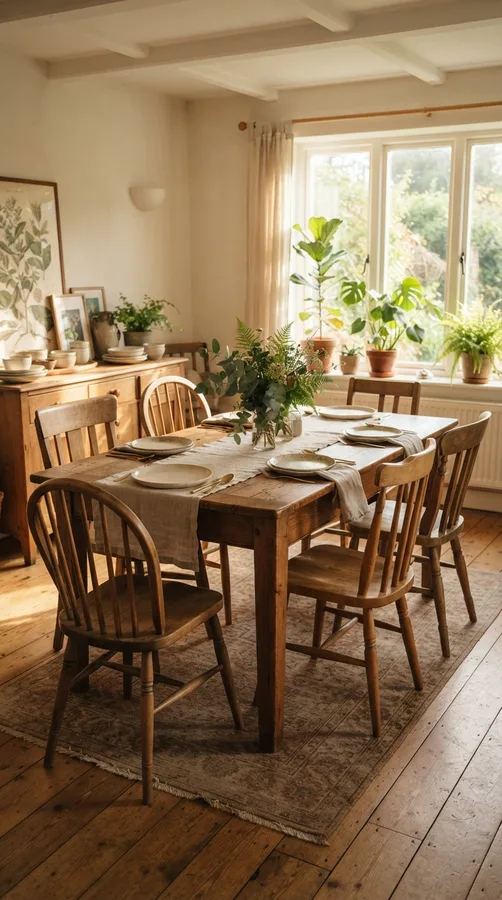
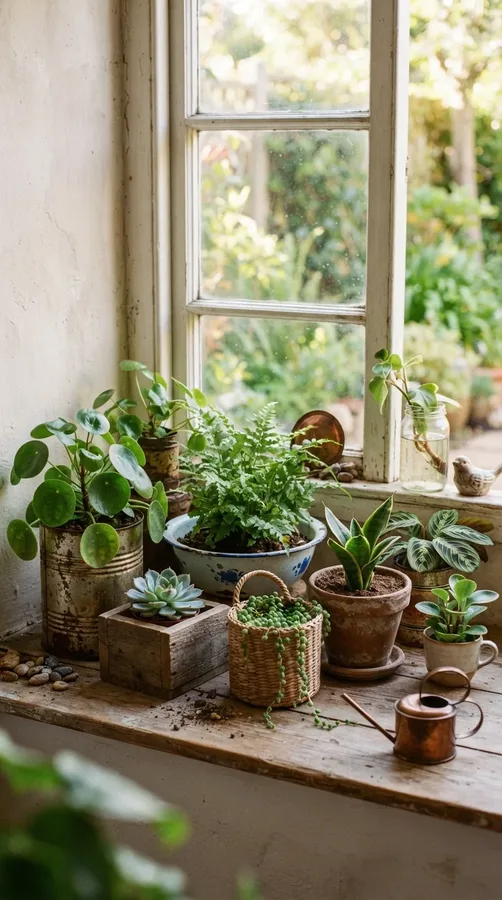
Give old containers a decorative purpose by turning them into planters for indoor greenery. Tin cans, wooden crates, ceramic bowls, and unused baskets can all become attractive homes for suitable plants. Clean each container carefully, smooth any sharp edges, and make sure it offers appropriate drainage. If the material cannot safely hold water, use it as a decorative outer cover around a nursery pot. A collection of different-sized upcycled planters looks lovely on windowsills, shelves, and balcony corners. You can paint containers with low-VOC finishes or leave their original textures visible for a rustic look. Pairing reused materials with living plants creates a refreshing display while reducing the need for new decorative pots.
6. Refresh Your Space with Vintage Rugs
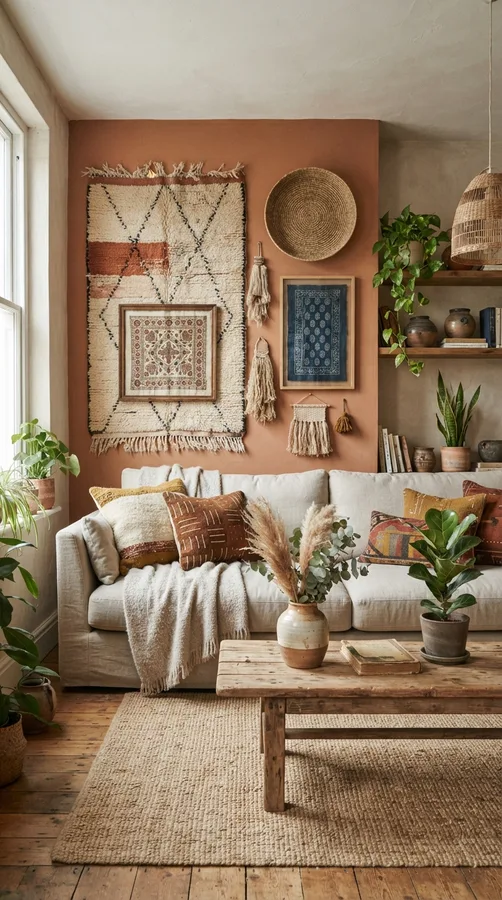
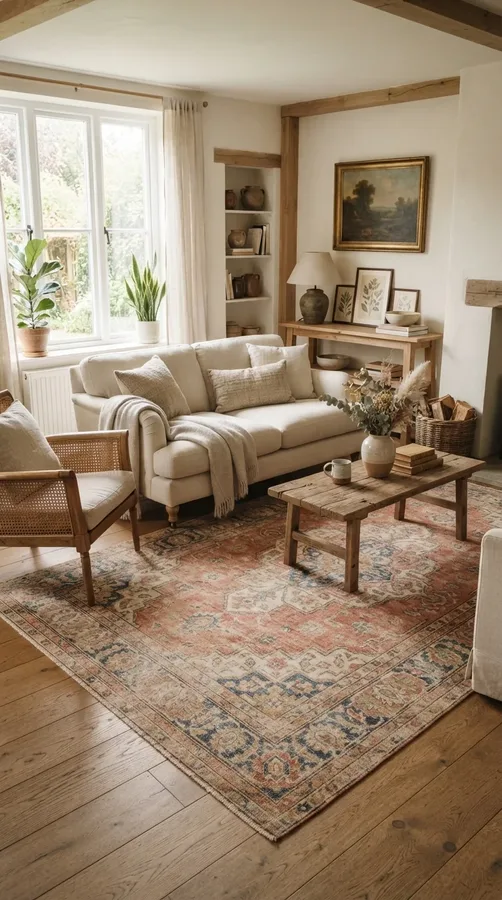
Vintage rugs are a sustainable way to add color, softness, and history to your home. Instead of buying a newly manufactured floor covering, explore second-hand marketplaces, antique dealers, and vintage textile shops for pre-loved rugs. Traditional patterns, faded colors, and naturally worn textures can make a room feel warm and collected. A vintage runner works beautifully in a hallway, while a larger patterned rug can anchor a living room or dining area. Check the backing, edges, and fibers carefully, and ask about previous cleaning or repairs. Professional cleaning may be worthwhile before bringing a used rug indoors. Choosing a durable vintage piece can extend the life of an existing textile and reduce demand for new production.
7. Repurpose Old Ladders into Display Shelves
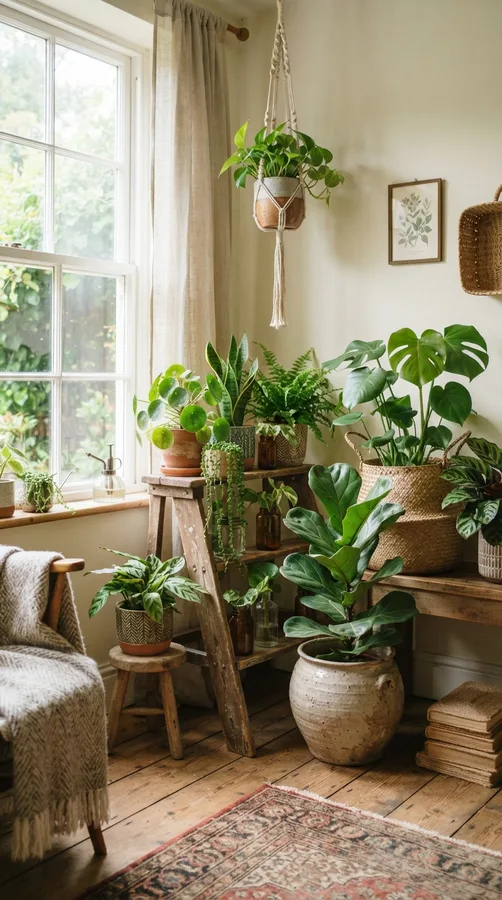
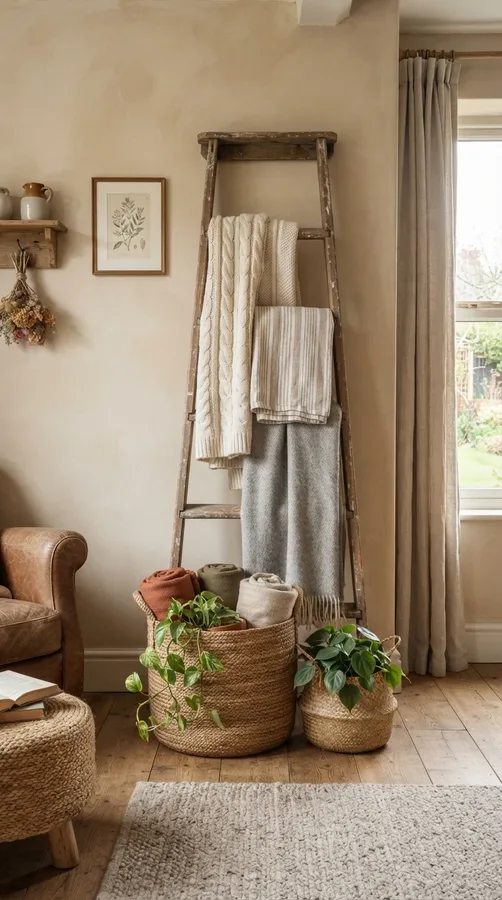
An old wooden ladder can become an attractive decorative feature when given a new purpose. A sturdy ladder can lean against a wall and display folded blankets, lightweight baskets, small plants, or decorative textiles. Alternatively, a suitable freestanding ladder can be adapted into shelving with securely attached boards. This idea works especially well in rustic, farmhouse, cottage, and eclectic interiors. Before using an old ladder, inspect it for cracks, loose joints, splinters, and unstable feet. Secure leaning designs appropriately and avoid placing heavy or fragile objects where they could fall. Rather than discarding an outdated household item, you can transform it into useful vertical storage with plenty of visual character.
8. Style Your Home with Second-Hand Ceramics
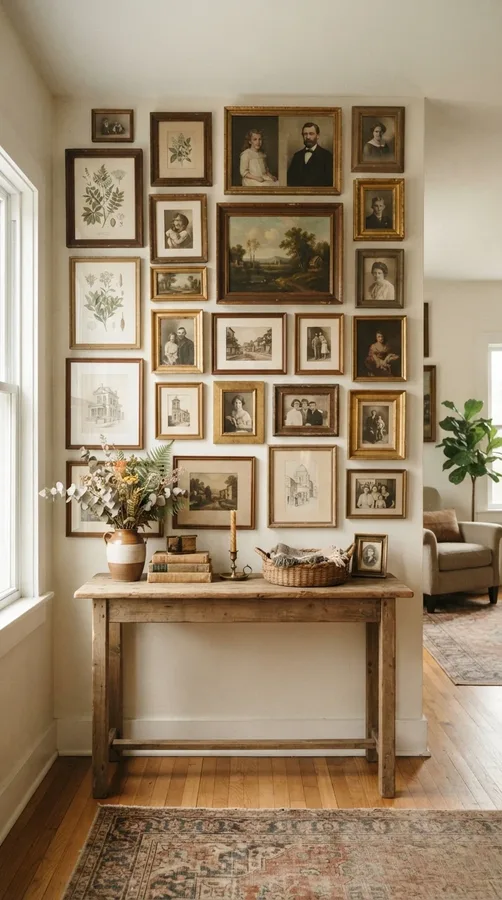
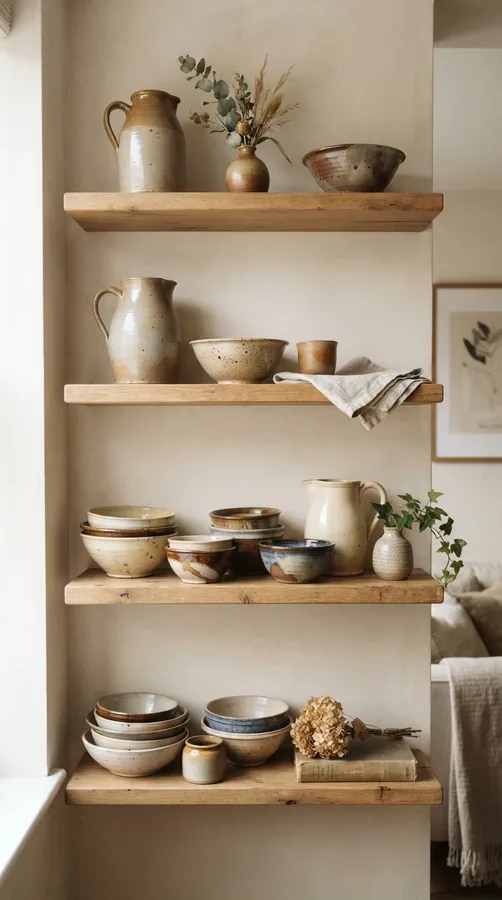
Thrifted ceramics offer an easy way to decorate shelves, dining tables, kitchen counters, and sideboards with pieces that feel individual. Look for vintage bowls, handmade pottery, ceramic pitchers, decorative plates, and small vases at second-hand shops. Mix different shapes and finishes while keeping a consistent color palette, such as warm white, earthy brown, muted green, or soft blue. A vintage pitcher can hold fresh branches, while a collection of small bowls can organize everyday essentials. Check ceramic items for cracks, chips, and unstable bases. If an item will hold food, verify that its glaze is suitable for food contact. Decorative ceramics add texture and craftsmanship without requiring newly manufactured accessories.
9. Turn Fabric Scraps into Decorative Cushion Covers
Leftover fabric doesn’t have to remain forgotten in a storage box. Repurpose old curtains, unused clothing, linen tablecloths, and upholstery offcuts into attractive cushion covers. Combining different fabric textures can create an interesting layered look, especially when you coordinate colors rather than matching every pattern. Cotton, linen, and durable woven fabrics are practical choices for frequently used cushions. If sewing isn’t your strength, consider simple envelope-style covers that require minimal stitching. You can also reuse buttons, zippers, and decorative trims from old garments. This project reduces textile waste while giving existing cushions a completely different appearance. It is particularly useful when you want to refresh a living room without replacing its furniture.
10. Decorate with Antique Wooden Mirrors
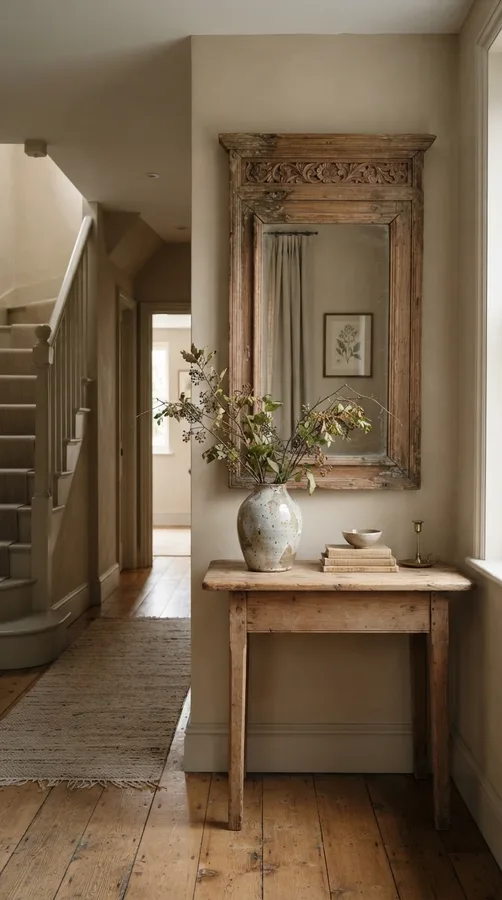
An antique mirror can bring depth, elegance, and personality to a room while making use of an existing decorative object. Search antique shops, salvage yards, and second-hand marketplaces for wooden-framed mirrors with interesting shapes or carved details. An ornate vintage mirror can become a statement above a console table, while a simple weathered frame works beautifully in a relaxed bedroom or hallway. If the frame looks tired, clean it gently and consider restoring damaged sections rather than replacing the entire piece. Avoid removing original finishes unnecessarily, as their aged appearance often contributes to the mirror’s charm. Check that the glass and hanging hardware are secure before installation. A restored mirror combines practical function with sustainable style.
11. Use Woven Baskets for Stylish Storage
Second-hand woven baskets are practical, attractive, and easy to incorporate into almost any decorating style. Look for pre-loved baskets made from natural materials such as seagrass, wicker, rattan, and bamboo. Use larger designs to organize blankets, toys, laundry, or magazines, and smaller baskets for bathroom essentials or everyday accessories. Grouping baskets in different sizes creates texture while helping keep clutter under control. Before purchasing, check for loose weaving, mold, unpleasant odors, and sharp broken strands. Clean and dry each piece thoroughly before bringing it inside. Reusing baskets gives existing household goods a longer life and adds an organic element that pairs beautifully with wood furniture, plants, and neutral textiles.
12. Transform Old Doors into Statement Furniture
Salvaged wooden doors can become impressive decorative furniture when reused creatively. An old solid door can be converted into a dining table, desk, headboard, or large wall feature with the right preparation and support. Its original panels, carved details, and aged paint may provide character that is difficult to recreate with new materials. Sanding, sealing, or carefully restoring the surface can help make it suitable for its new purpose. Check for structural damage, protruding nails, lead paint risks in older finishes, and other hazards before starting. Work with a skilled carpenter when cutting or modifying large pieces. Repurposing architectural salvage is a distinctive way to decorate sustainably while preserving materials that might otherwise be discarded.
13. Create Pendant Lights from Recycled Materials
Lighting made from reclaimed or recycled materials can give your home a distinctive focal point. Consider professionally designed pendant lights that reuse glass bottles, salvaged metal, reclaimed timber, or recycled glass. You can also repurpose suitable decorative glass shades from older light fixtures when their electrical components are safe and compatible. A recycled-glass pendant above a dining table creates a beautiful glow, while reclaimed metal lighting adds character to an industrial-inspired kitchen. The most important consideration is safety: electrical fittings, wiring, heat resistance, and installation should meet applicable standards. Have a qualified electrician handle modifications and connections. Choosing a well-made recycled-material fixture allows you to combine energy-conscious lighting with thoughtful interior design.
14. Style Shelves with Second-Hand Books
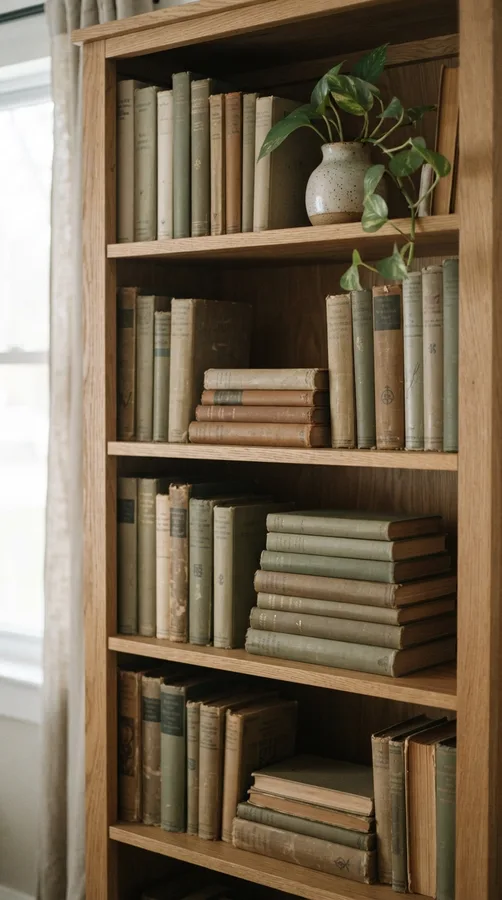
Books are wonderful sustainable decorating accessories because they combine visual interest with lasting usefulness. Find second-hand books at charity shops, used bookstores, library sales, and community markets. Arrange them vertically and horizontally to create attractive shelf displays, or use a small stack to elevate a decorative bowl or plant. Group books by color for a coordinated look or mix older covers for a relaxed, collected appearance. Choose titles that genuinely interest you so the display remains meaningful rather than purely decorative. Older hardcovers can introduce beautiful textures and typography to minimalist rooms. Reusing books extends their lifespan and supports the circulation of existing resources instead of encouraging unnecessary new purchases.
15. Give Old Wooden Crates a New Purpose
Wooden crates are versatile materials for affordable, sustainable home decorating. Salvaged fruit crates and sturdy storage boxes can become side tables, open shelving, magazine holders, or practical organizers. Stack several securely to create a casual bookshelf, or mount suitable crates on a wall for lightweight decorative storage. Their natural wood texture works especially well with farmhouse, rustic, industrial, and Scandinavian-inspired interiors. Clean crates thoroughly and inspect them for splinters, loose boards, stains, and pests before use. Sand rough edges and apply an appropriate low-VOC finish if needed. Avoid assuming that every shipping crate is suitable for indoor use, particularly if its previous contents or treatment are unknown. Reusing safe crates adds useful storage and character.
16. Decorate with Recycled Glass Vases
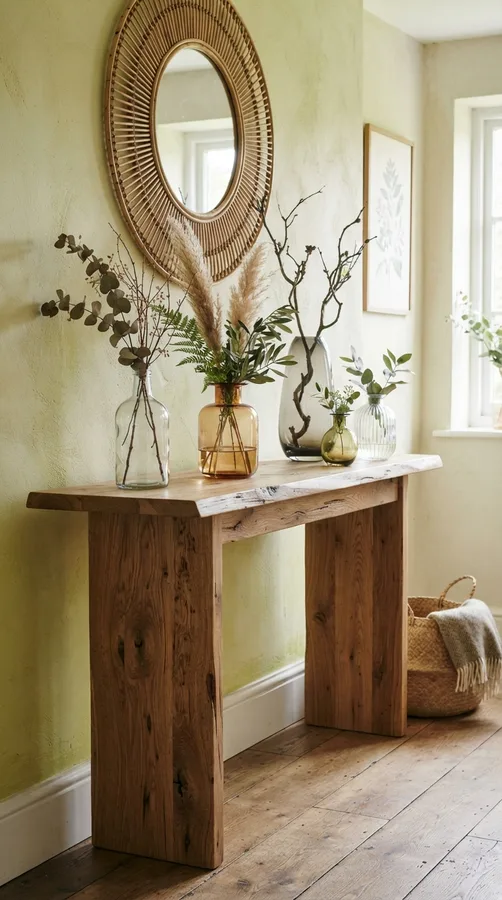
Recycled glass vases offer a simple way to bring sustainable beauty into your home. Look for vases made from recycled glass or reuse attractive glass bottles and containers that are already available. Their transparent, green, amber, and smoky finishes complement flowers, dried grasses, decorative branches, and simple foliage. Instead of filling every surface with accessories, arrange two or three vases together to create a balanced centerpiece. Different heights and silhouettes make the display feel more intentional. Recycled glass can have subtle variations that add charm without appearing overly polished. Check reused containers for cracks and stability before adding water. This decorating idea proves that a small material choice can create an elegant result.
17. Choose Vintage Dining Tables and Chairs
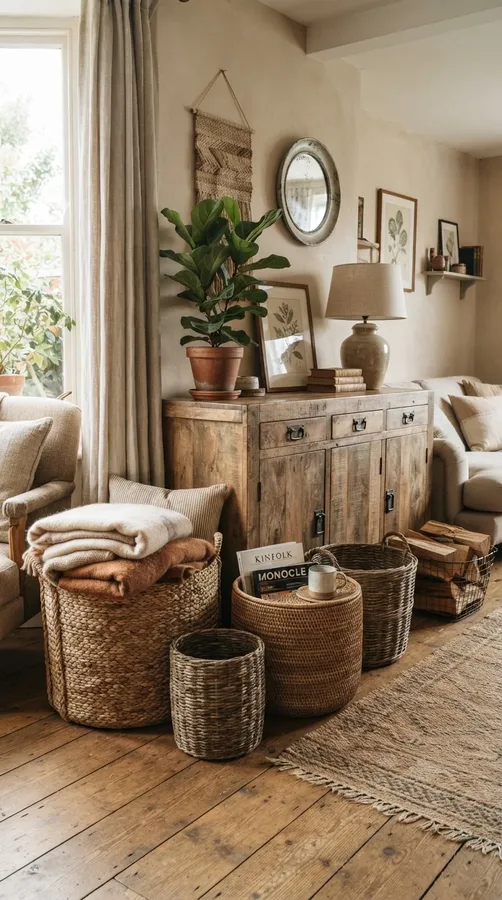
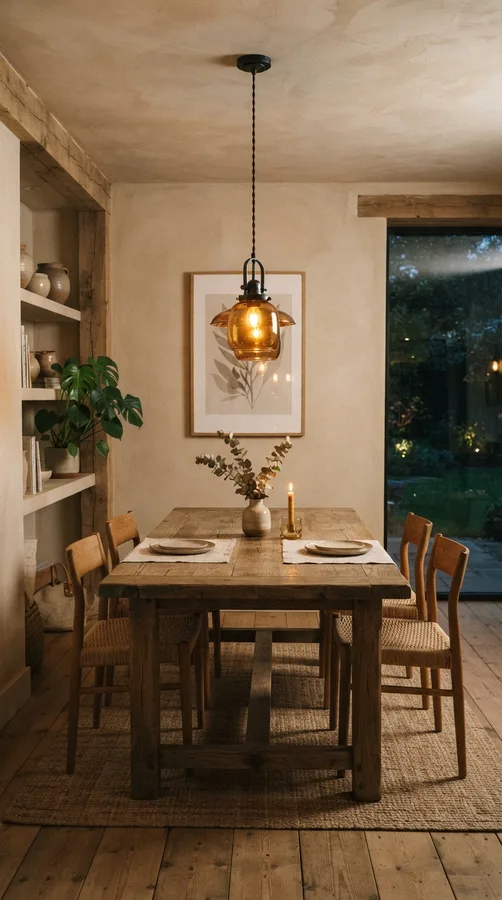
A vintage dining set can become the heart of a sustainable dining room. Rather than buying an entirely new matching collection, combine a pre-loved wooden table with second-hand chairs in complementary shapes or finishes. This mix-and-match approach creates a relaxed, collected appearance that feels more personal than a showroom arrangement. Look for solid wood construction, sturdy joints, and surfaces that can be repaired or refinished. If the chairs are structurally sound but visually outdated, consider replacing worn seat fabric or refreshing the finish. Keep the table’s natural grain visible whenever possible. Investing in durable second-hand dining furniture reduces demand for new materials while creating a welcoming setting for everyday meals and special gatherings.
18. Make Wall Decor from Reclaimed Textiles
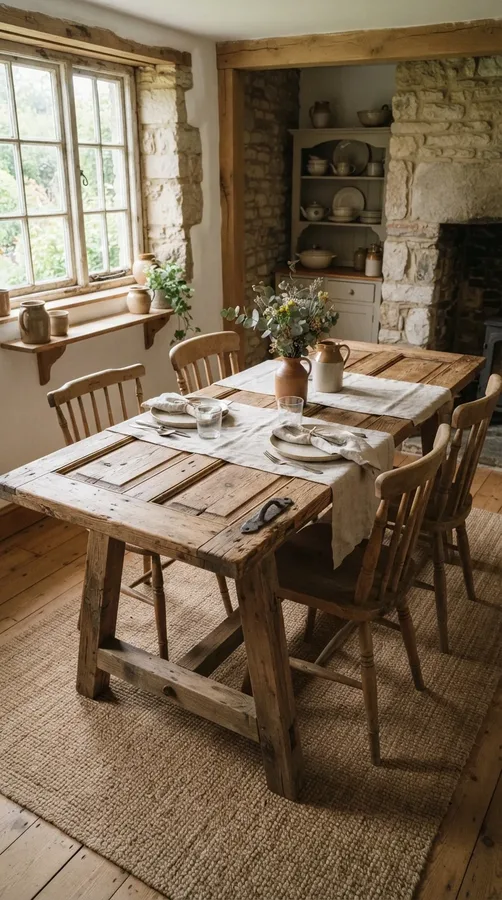
Old textiles can become beautiful wall decorations when displayed thoughtfully. Consider framing vintage scarves, embroidered tablecloth sections, antique fabric samples, or handmade pieces that might otherwise remain unused. A large woven textile can act as a soft focal point above a bed or sofa, while smaller framed fabric panels work well in a gallery arrangement. Choose materials with interesting patterns, craftsmanship, or cultural significance. Clean and inspect fabrics carefully before displaying them, and avoid exposing delicate pieces to strong direct sunlight. Use appropriate hanging methods that distribute weight evenly and prevent damage. Reusing textiles as wall art adds softness, color, and personal history to your home without relying on mass-produced decorative prints.
19. Build a Sustainable Decor Corner with Indoor Plants
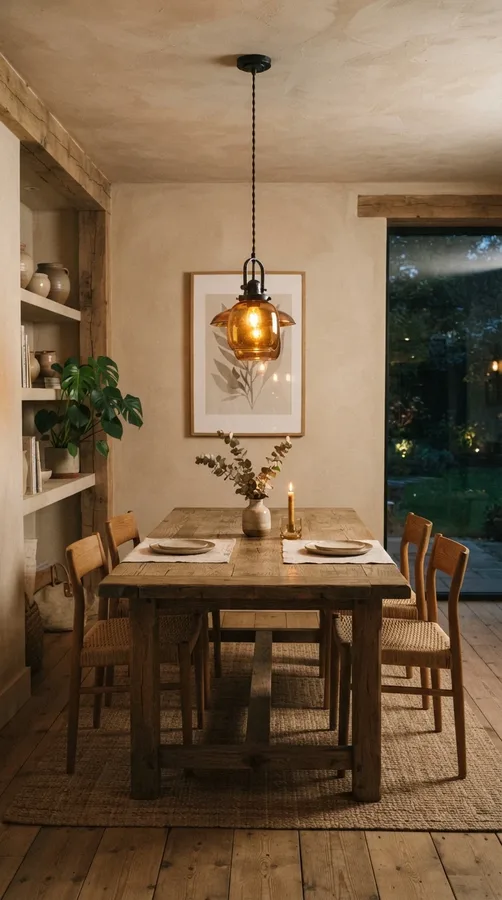
Indoor plants are a natural finishing touch for a home decorated with recycled, vintage, and second-hand finds. Create a small green corner using healthy plants, thrifted ceramic pots, reclaimed wooden stools, and reused glass containers. Choose varieties that suit the available light, humidity, and amount of care you can provide. Propagating suitable plants from cuttings is another budget-friendly way to expand your collection without purchasing new specimens. Combine different leaf shapes and heights to create a layered arrangement, but leave enough room for each plant to grow. Reuse existing saucers and decorative trays to protect furniture from water damage. A thoughtfully arranged plant corner brings life and freshness to sustainable interiors while making everyday spaces feel more connected to nature.
How to Make Sustainable Decorating Choices That Last
The most sustainable decorating approach starts with using what you already own. Before shopping, assess your furniture, accessories, and storage needs to identify pieces that can be repaired, rearranged, or repurposed. When purchasing second-hand, prioritize quality, durability, and genuine usefulness rather than buying something simply because it is inexpensive. Choose materials that can be maintained or recycled, and avoid unnecessary disposable accessories. It is also worth supporting local artisans, repair specialists, and businesses that use reclaimed or responsibly sourced materials. Sustainable decor is not about creating a perfectly styled home overnight. It is about making thoughtful decisions over time and choosing items that bring lasting beauty, function, and meaning to your everyday surroundings.
Conclusion
Sustainable decor makes it possible to create a beautiful, welcoming home while being more mindful of the resources you use. From reclaimed wood furniture and vintage artwork to recycled glass, thrifted ceramics, and upcycled textiles, these ideas show how much potential already exists in pre-loved and overlooked materials. Start with one small project, explore second-hand shopping, or give an old household item a creative new purpose. With a little imagination, you can build a home that feels unique, timeless, and personal while making more responsible decorating choices.
Leave a Reply