
The holiday season is one of the most exciting opportunities for new bloggers to grow their website traffic. As people search for Christmas inspiration, Thanksgiving recipes, winter decorating ideas, gift guides, party planning tips, and seasonal activities, Pinterest becomes an especially valuable platform for discovering fresh content. Unlike traditional social media posts that quickly disappear from feeds, Pinterest content can continue attracting visitors for weeks or even months after publication.
However, getting meaningful traffic as a new blogger requires more than simply creating attractive pins. You need a thoughtful strategy that combines keyword research, seasonal planning, compelling graphics, consistent publishing, and useful blog content. The good news is that you do not need thousands of followers or an established audience to get started. These 20 practical Pinterest traffic strategies will help you build visibility, reach holiday shoppers and planners, and turn seasonal searches into valuable website visitors.
1. Research Holiday Keywords Before Creating Content
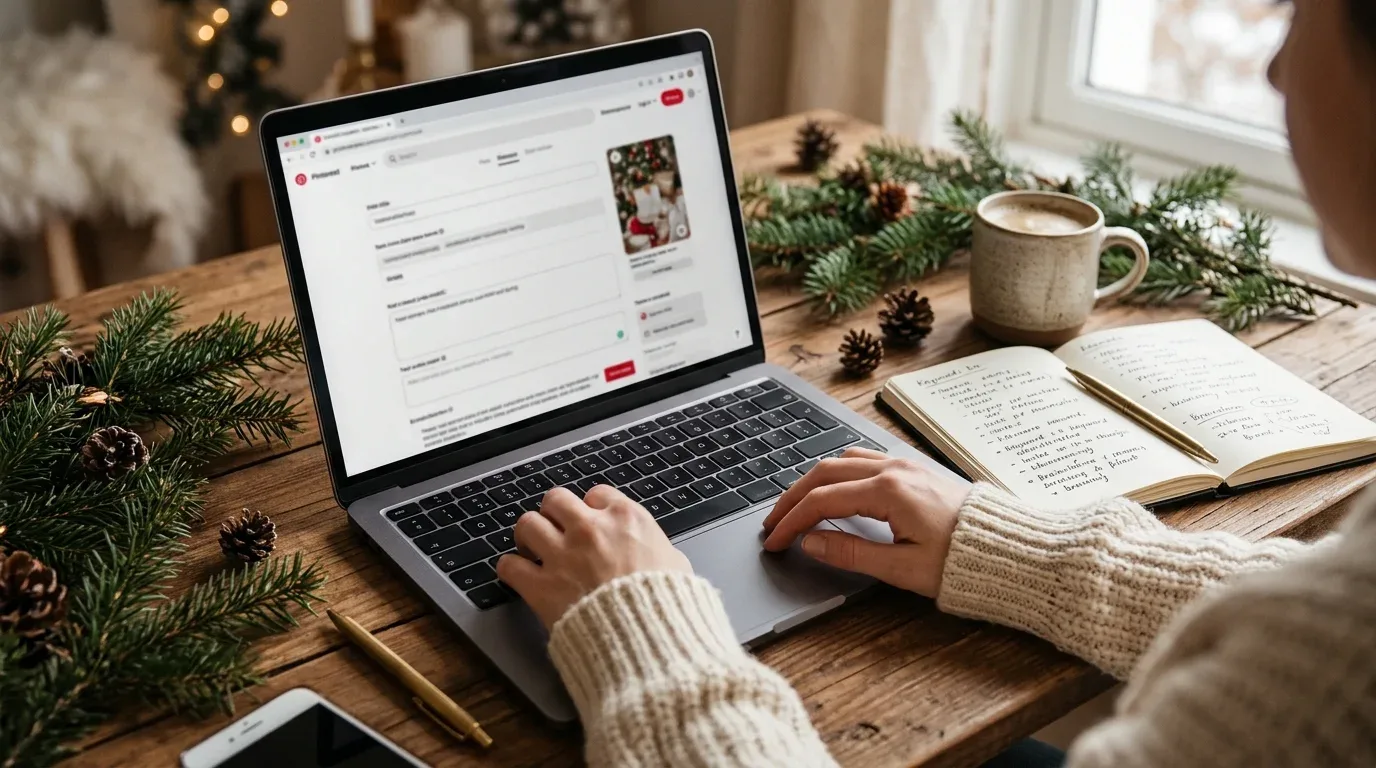
Keyword research is one of the most important steps toward getting Pinterest traffic. Before writing holiday blog posts, discover the phrases your target audience actually searches for. Consider terms such as Christmas bedroom decor ideas, easy Thanksgiving appetizers, budget-friendly holiday gifts, and winter party themes. Pinterest search suggestions can reveal related phrases and specific seasonal interests. Focus on keywords that match your blog’s niche instead of trying to rank for every popular holiday topic. Long-tail keywords are particularly useful for new bloggers because they target more specific search intentions. Build a list of relevant phrases and use them naturally in your blog titles, descriptions, board names, and pin graphics.

2. Publish Holiday Content Before the Season Begins
One common mistake new bloggers make is waiting until a holiday is approaching before publishing related content. Pinterest users often plan celebrations, shopping, and home projects weeks or months ahead. Give your content time to become indexed and discovered by publishing seasonal articles early. For example, begin sharing Christmas decorating content in early autumn and publish Thanksgiving recipes well before November. Create an editorial calendar that works backward from important holidays. This approach gives you enough time to design pins, optimize descriptions, and distribute content consistently. Early publishing also helps you avoid rushing through important details when competition for seasonal attention becomes stronger.

3. Create Eye-Catching Vertical Pin Graphics
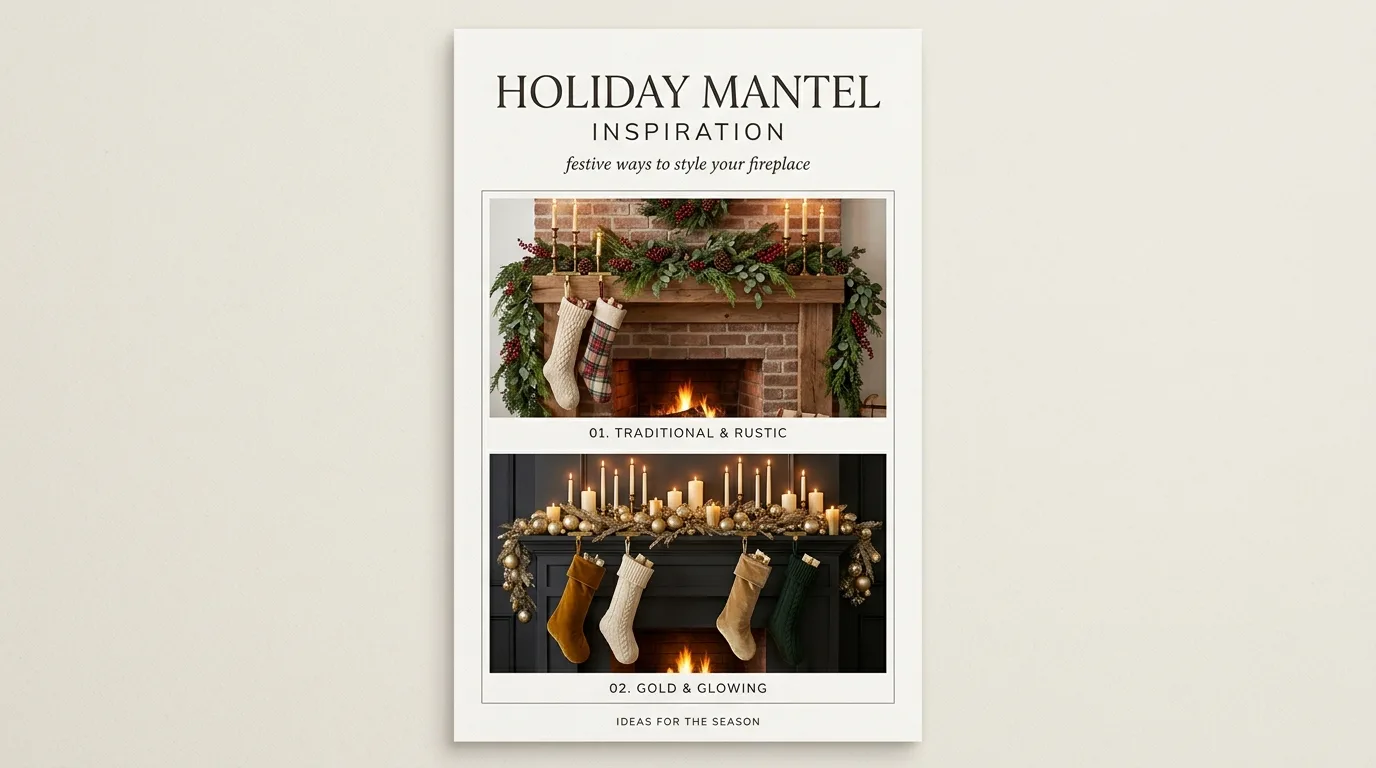
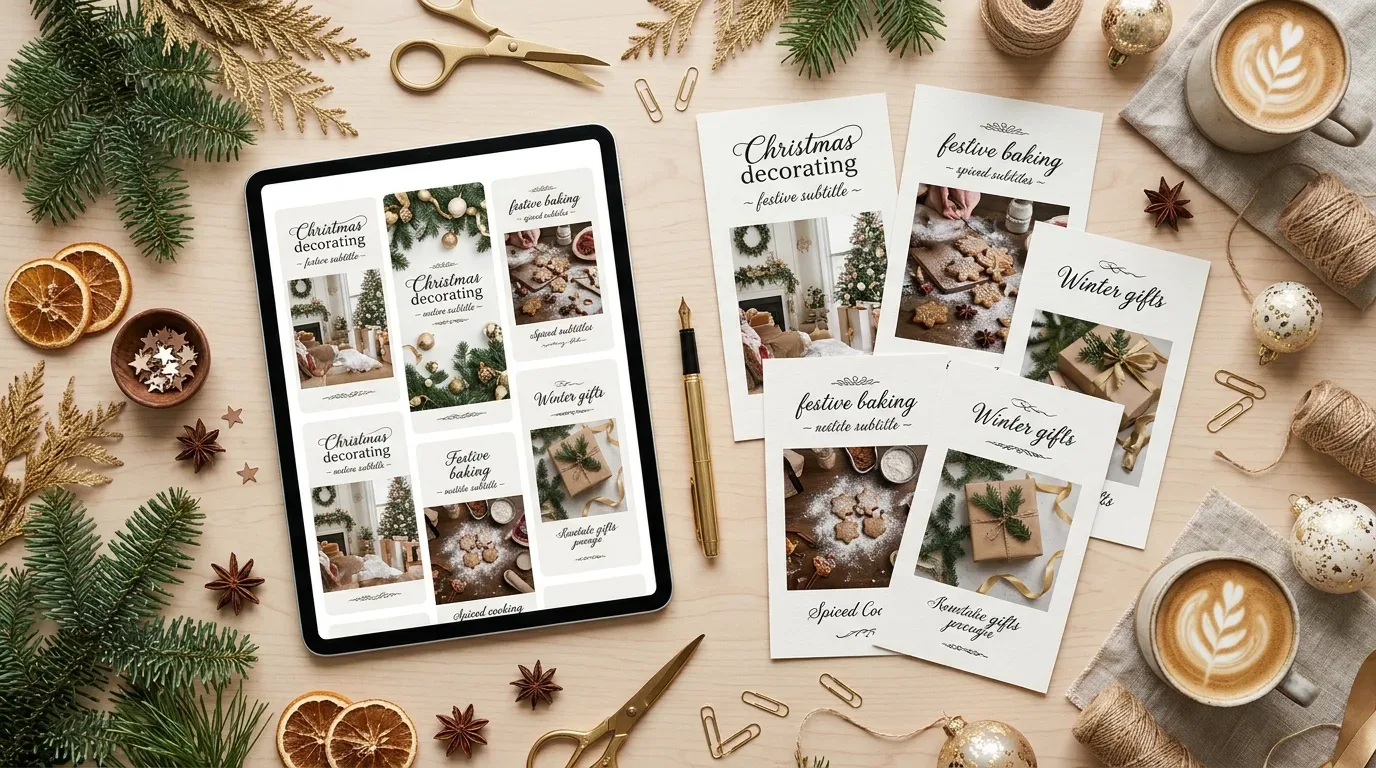
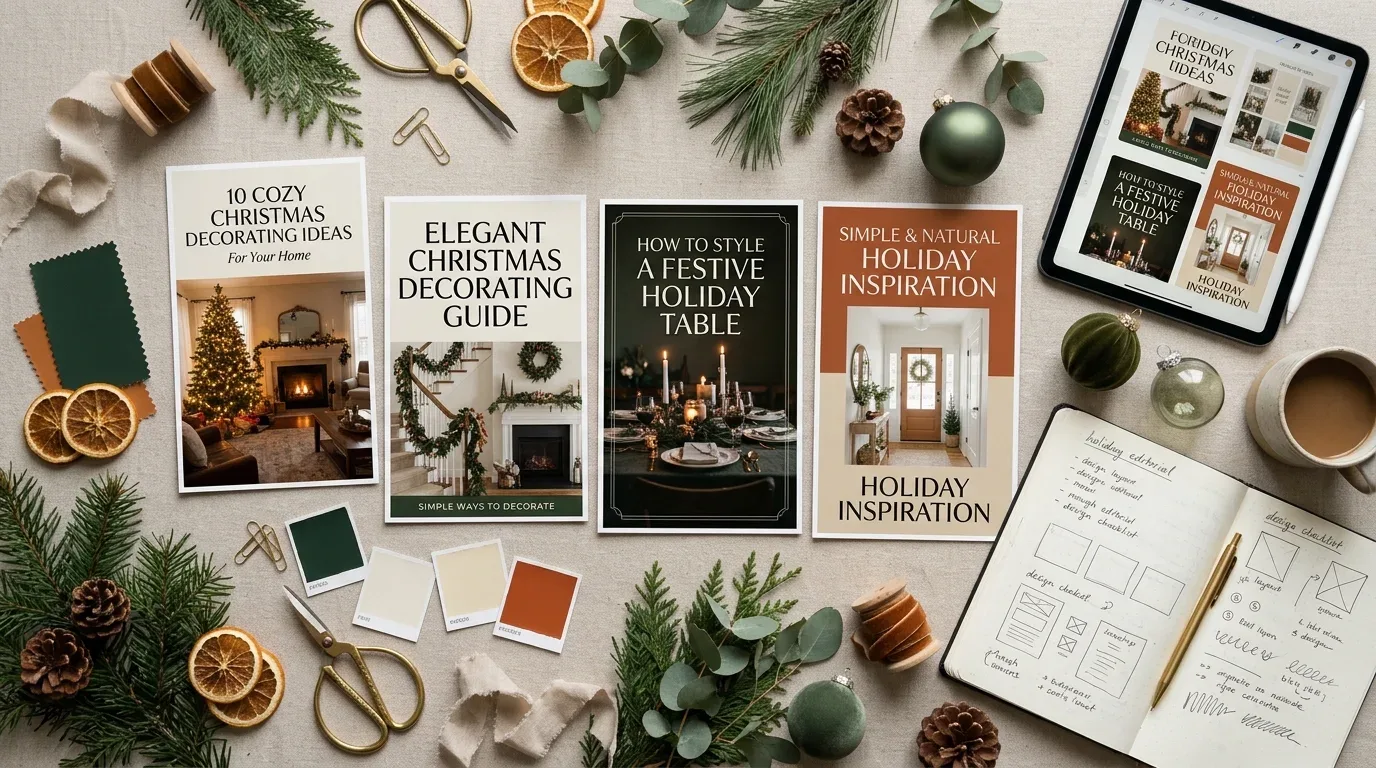
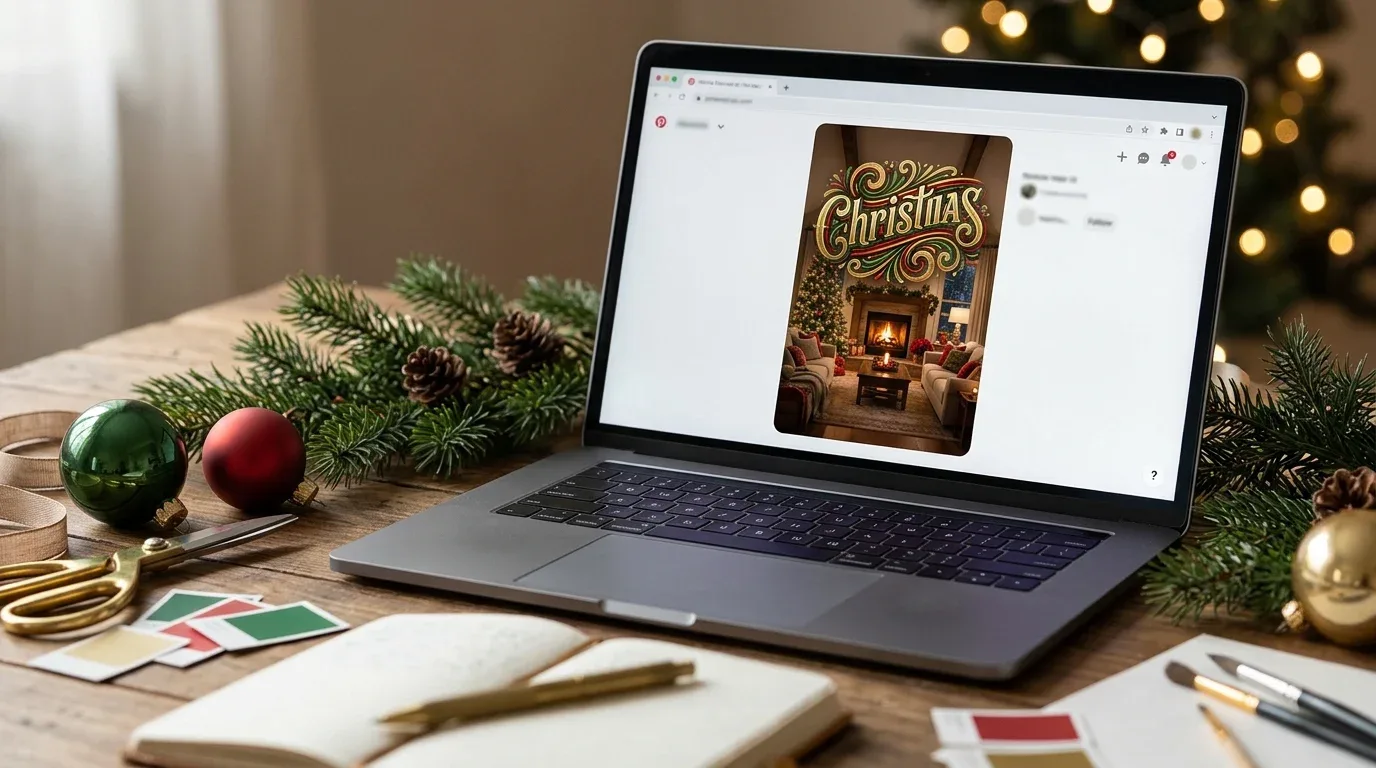
Visual presentation plays a major role in Pinterest discovery. Your pin should immediately communicate what readers will gain by clicking through to your blog. Use a vertical layout, clear typography, attractive photography, and a simple color palette that reflects your brand. A 2:3 aspect ratio, such as 1000 by 1500 pixels, is a practical starting point. Holiday graphics can incorporate seasonal colors, subtle decorative elements, and readable headlines without becoming overcrowded. Make the main topic visible even on a small mobile screen. You can use Canva or another design tool to create reusable templates, helping you produce professional-looking pins without spending hours designing every graphic.

4. Optimize Every Pin Description With Relevant Keywords
A beautiful pin needs a descriptive, keyword-rich description to help Pinterest understand its subject. Avoid writing vague captions such as “Beautiful holiday inspiration” when you can explain exactly what the linked article offers. For example, describe a post as “Discover easy Christmas mantel decorating ideas featuring greenery, candles, neutral ornaments, and cozy winter accents.” Include your primary keyword naturally, followed by a few closely related phrases. Write for people rather than stuffing descriptions with repetitive search terms. A useful description should make readers curious while accurately representing the destination page. Consistent keyword optimization across your pins can improve their relevance for seasonal searches.
5. Build Dedicated Holiday Pinterest Boards
Organizing your Pinterest profile into focused boards makes your content easier to discover and helps communicate your blogging niche. Instead of placing every seasonal pin on one general board, create separate collections such as Christmas Decorating Ideas, Thanksgiving Dinner Inspiration, Holiday Gift Guides, Winter Recipes, and DIY Christmas Crafts. Write keyword-rich board descriptions that clearly explain the type of content each collection contains. Save relevant pins to the most appropriate boards and keep your organization consistent throughout the year. A well-structured profile gives visitors more opportunities to explore your content and discover related articles. Avoid creating dozens of nearly identical boards that offer little additional value.

6. Design Multiple Pin Variations for Every Blog Post
One of the easiest ways to increase your Pinterest reach is to create several genuinely different pin designs for each important article. A Christmas gift guide, for instance, might have one pin highlighting affordable gifts, another emphasizing handmade presents, and a third focusing on gifts for specific recipients. Change the headline, image selection, composition, or visual angle while keeping every variation connected to the same useful article. This allows you to appeal to different search interests without writing an entirely new post each time. Make sure every graphic accurately represents the linked content. Avoid repeatedly publishing identical pins, since meaningful creative variations provide a better experience for your audience.

7. Focus on Long-Tail Holiday Search Terms
Broad keywords such as Christmas ideas or holiday decorations can be highly competitive. New bloggers may have better opportunities by targeting specific searches with clearer intentions. Try phrases like small apartment Christmas decorating ideas, easy holiday desserts for beginners, affordable gifts for coworkers, or rustic Thanksgiving table centerpieces. These searches often attract readers who already know what they want and are looking for practical inspiration. Incorporate long-tail phrases into relevant article headings, pin titles, descriptions, and board names. Choose topics where you can provide genuinely useful information rather than creating thin articles simply to target additional keywords. Specific content can help a new blog establish topical relevance over time.

8. Use Seasonal Trends to Discover New Blog Topics
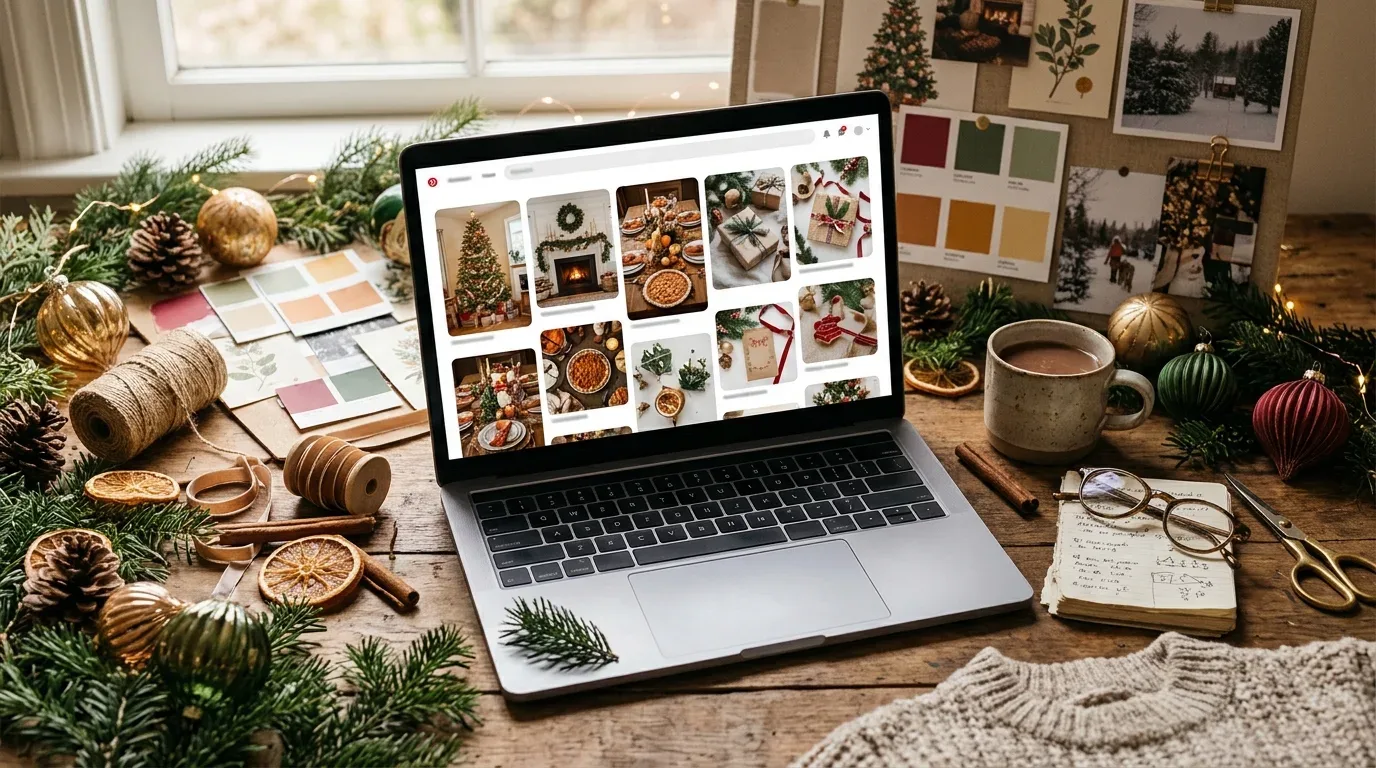
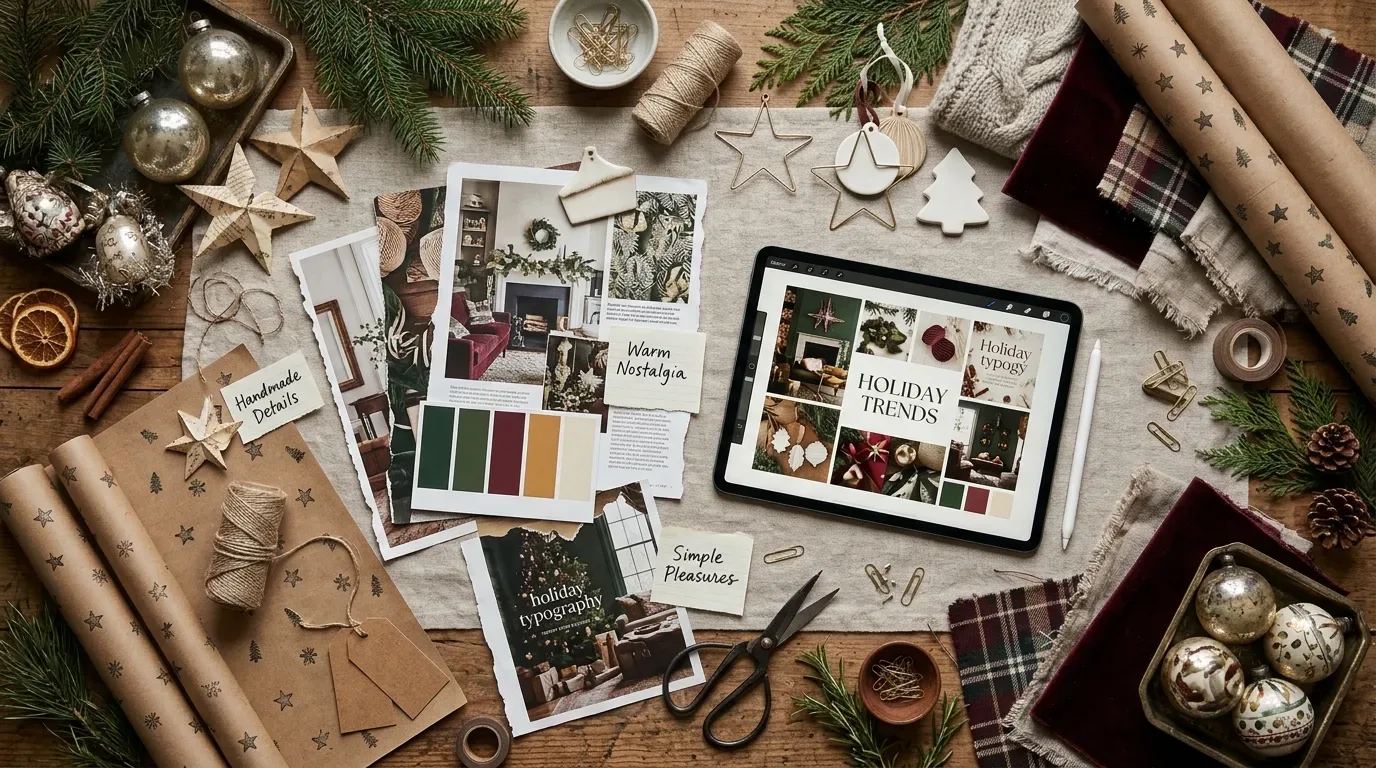
Holiday interests change from year to year, making trend research valuable for bloggers who want to publish relevant content. Explore Pinterest search suggestions, seasonal trend reports, and popular visual themes to identify emerging interests. You might notice growing interest in nostalgic Christmas decorations, minimalist holiday styling, handmade gift wrapping, or budget-friendly festive meals. Use these discoveries as inspiration rather than copying popular pins or articles. Think about how you can offer a fresh perspective, a practical tutorial, or a more specific solution. Combining a trending topic with your existing niche allows you to create timely content while keeping your blog focused and recognizable.

9. Write Compelling Pin Titles That Encourage Clicks
Your pin title should make its value immediately clear. Instead of using generic wording such as “Holiday Inspiration,” create a more specific headline like “15 Easy Christmas Table Decorations for a Cozy Holiday Dinner.” Numbers, descriptive adjectives, and practical benefits can make a title more engaging when they accurately reflect the article. Keep the wording concise enough to remain readable on mobile devices. Place the main keyword naturally near the beginning whenever possible. Avoid exaggerated promises or clickbait headlines that do not match the actual content. A strong title helps potential readers understand why your article deserves their attention among numerous competing holiday pins.
10. Create Helpful Holiday Gift Guides
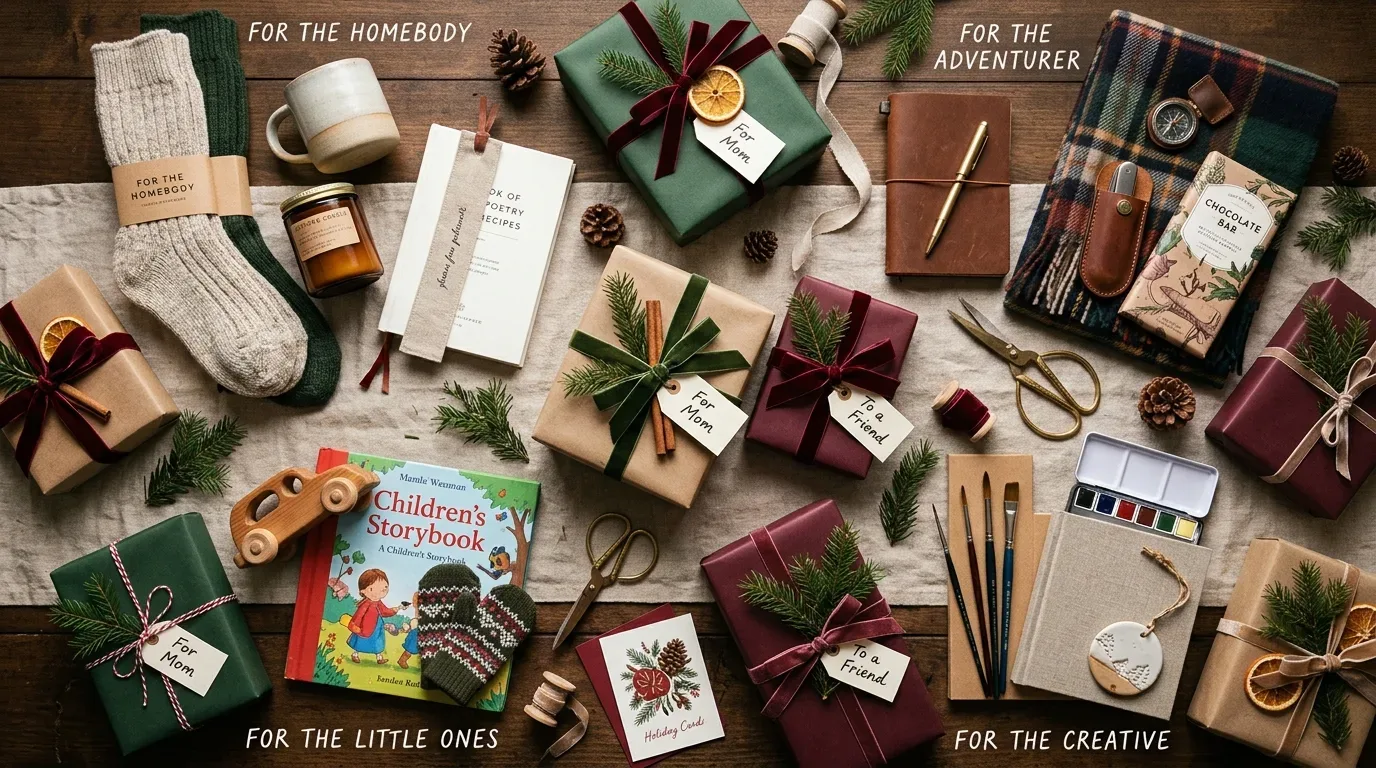
Gift-related searches become especially popular during the holiday shopping season. New bloggers can attract interested readers by publishing thoughtful gift guides that solve specific shopping problems. Consider articles featuring affordable gifts for teachers, thoughtful presents for grandparents, stocking stuffers for teenagers, or personalized gifts for friends. Make recommendations useful by including clear descriptions, price considerations where appropriate, and suggestions for different interests. Organize the article into helpful categories so readers can quickly find suitable options. Create separate pins highlighting different recipient groups or gift themes. Always keep recommendations relevant and update outdated information when products, availability, or prices change.
11. Refresh Older Blog Posts With Holiday Updates
You do not always need to publish a completely new article to benefit from seasonal Pinterest traffic. Review older posts that could become more relevant during the holidays. A general baking article might be updated with festive serving suggestions, while a home organization guide could include practical advice for preparing guest spaces. Improve outdated information, replace broken links, add useful seasonal examples, and update images when necessary. Create fresh pins that accurately reflect the improved article. Refreshing existing content can help you make better use of the work you have already completed. However, only update posts when you can add meaningful value rather than changing publication dates without improving the content.
12. Maintain a Consistent Pinterest Publishing Schedule
Consistency helps new bloggers build a sustainable Pinterest marketing routine. You do not need to publish an overwhelming number of pins every day. Start with a realistic schedule that allows you to create original graphics, write thoughtful descriptions, and share relevant content regularly. Prepare several pins in advance so you are not designing everything at the last minute. Pinterest’s scheduling tools or an approved scheduling platform can make this process easier. Prioritize fresh, useful creative assets over repetitive posting. Monitor your publishing routine and adjust it according to your available time and performance data. A manageable schedule is more effective over the long term than an ambitious routine you cannot maintain.
13. Link Every Pin to a Relevant, Valuable Blog Post
Pinterest traffic becomes meaningful when visitors arrive at a page that delivers what the pin promised. Make sure every pin links directly to the appropriate article rather than sending all visitors to your homepage. The destination should load smoothly, work well on mobile devices, and present the promised information near the beginning. Use descriptive headings, readable paragraphs, and helpful images to make the article easy to explore. Avoid misleading graphics that advertise content your page does not contain. A positive visitor experience can encourage readers to explore additional articles, bookmark your website, or return for future seasonal inspiration.

14. Add Pinterest-Friendly Images Throughout Your Articles
Your blog posts should contain attractive images that readers can save to their Pinterest boards. Create original graphics that illustrate important ideas, showcase finished projects, or summarize useful information. For a holiday recipe article, include appealing food photography and a clear visual of the finished dish. For a decorating guide, show different room arrangements or styling details. Add descriptive image alt text to help communicate what each image represents and improve accessibility. You can also include a dedicated Pinterest-optimized graphic within longer articles. Make sure images are relevant, high quality, and properly sized so they enhance the reading experience instead of slowing down your website.
15. Use Pinterest Analytics to Identify Successful Content
Publishing pins without reviewing their performance makes it difficult to understand what attracts your audience. Pinterest Analytics provides useful information about impressions, saves, outbound clicks, and other engagement signals. Pay particular attention to which topics and creative designs generate website visits. A pin receiving many impressions but few outbound clicks may need a clearer headline or a more compelling visual. An article receiving consistent clicks could inspire related content or additional pin variations. Review performance regularly instead of making decisions based on a single day’s results. Use the information to refine your content strategy and spend more time developing topics that demonstrate genuine audience interest.
16. Create Seasonal Roundup Articles With Multiple Ideas
Roundup articles are particularly suitable for Pinterest because they offer several ideas in one convenient resource. You could publish 20 Christmas mantel decorating ideas, 15 easy holiday party appetizers, or 18 cozy winter bedroom inspiration ideas. Readers searching for inspiration often appreciate having multiple options to compare without visiting several websites. Organize each idea under a descriptive heading and provide enough detail to make the article useful. Add relevant images throughout the post and create a strong vertical pin featuring a few representative examples. Roundups also create opportunities to target related long-tail keywords naturally while developing a collection of content around your blog’s main seasonal topics.
17. Improve Your Blog’s Mobile Loading Speed
Many Pinterest users browse on smartphones, so a slow website can undermine your traffic-building efforts. If visitors have to wait too long for an article to load, they may leave before reading it. Compress large images, choose reliable hosting, limit unnecessary plugins, and use a lightweight website theme. Check that your text is easy to read on smaller screens and that navigation menus work properly. Avoid intrusive pop-ups that cover the article immediately after someone arrives. Test important pages on different mobile devices and fix problems that interfere with browsing. A fast, user-friendly website helps visitors enjoy your content and makes your Pinterest traffic more valuable.

18. Develop Related Content Around Your Main Holiday Topics
Instead of publishing unrelated seasonal articles, create connected groups of content that cover different aspects of a popular holiday topic. For example, a Christmas decorating collection might include tree styling ideas, mantel decorations, front porch inspiration, bedroom accents, and budget-friendly DIY projects. Link related articles together so visitors can discover more useful information after reading their first post. This approach helps establish your blog as a helpful resource within a specific subject area. It also creates more opportunities for Pinterest visibility because each article can target a different search phrase. Choose connected topics that your audience genuinely wants to explore rather than creating repetitive variations of the same article.

19. Add Clear Calls to Action That Encourage Saves and Clicks
A thoughtful call to action can help readers understand what to do after discovering your content. On your blog, encourage visitors to save a useful idea for later, explore a related holiday guide, or share a recipe with someone planning a celebration. Your pin graphics can also use concise phrases such as “Save These Ideas for Christmas” when the wording naturally fits the content. Make sure calls to action feel helpful rather than demanding. The most important step is delivering something worth saving in the first place. Practical instructions, attractive inspiration, and genuinely useful seasonal information give readers a reason to return to your content.
20. Plan a Post-Holiday Pinterest Strategy
Your Pinterest marketing should not stop when Christmas or another major holiday ends. The transition into a new season creates opportunities to reach people searching for New Year’s Eve celebrations, winter organization, Valentine’s Day crafts, spring decorating, and fresh meal ideas. Review which holiday articles performed best and identify topics that could remain useful throughout the year. Update seasonal content when appropriate, organize your analytics, and begin preparing your next editorial calendar. You can also repurpose evergreen lessons from successful holiday articles into related posts. Planning beyond one celebration helps prevent traffic from depending entirely on a short seasonal window and creates a more sustainable blogging strategy.

Conclusion
Growing Pinterest traffic as a new blogger during the holiday season takes planning, creativity, and consistency. Start with focused keyword research, publish seasonal content early, design attractive vertical pins, and make every article genuinely useful to your readers. Build organized boards, experiment with different pin variations, and use analytics to understand which topics deserve more attention. Most importantly, remember that Pinterest growth is a long-term process. You may not see immediate results from every pin, but regularly publishing valuable, searchable content gives your blog more opportunities to reach new audiences. With these 20 strategies, you can turn holiday inspiration into a practical traffic-building plan and establish a stronger foundation for your blog throughout the year.
Leave a Reply