
Seasonal content offers bloggers and content creators an exciting opportunity to attract fresh audiences, increase website traffic, and make the most of Pinterest’s search-driven platform. Whether you’re sharing Christmas decorating inspiration, Thanksgiving recipes, spring cleaning tips, summer travel guides, or cozy fall outfits, the way you design and publish your pins can make a significant difference in how many people click through to your website. Creating beautiful Pinterest graphics is important, but successful seasonal pins require more than attractive colors and stylish fonts. They need relevant keywords, compelling headlines, clear messaging, and visuals that connect with what people are searching for at the right time. The good news is that you don’t need professional design skills or an enormous marketing budget to create effective pins. With a thoughtful strategy, you can turn seasonal blog posts into eye-catching Pinterest content that encourages saves and clicks. Here are 20 practical ways to create Pinterest pins that attract more seasonal traffic and help your content stand out throughout the year.
1. Design Pins Around Seasonal Search Trends
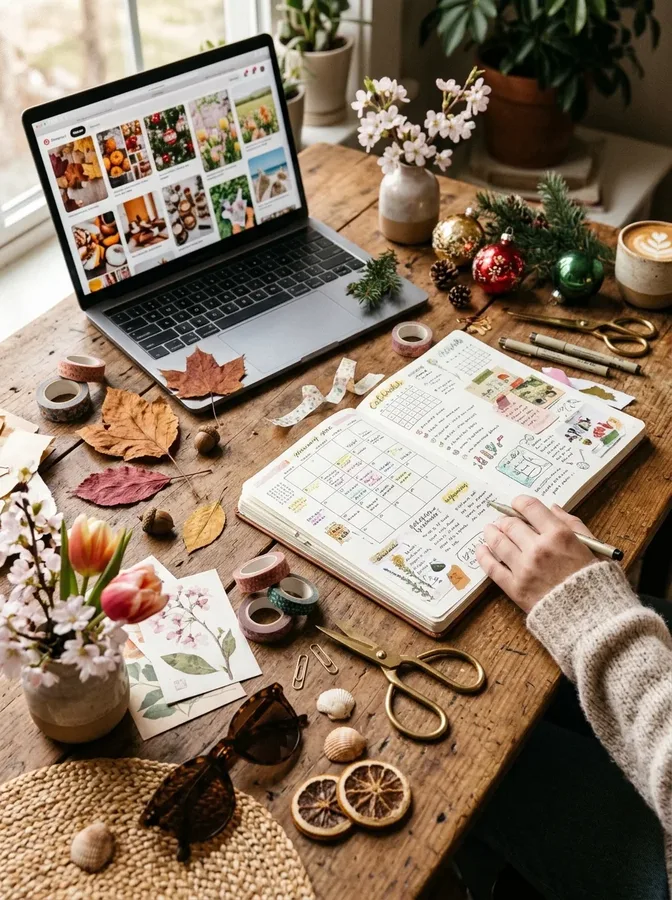
Start by understanding what Pinterest users are actively searching for during different seasons. Seasonal interests change throughout the year, and your pin designs should reflect those shifts. For example, searches for Christmas mantel decorations, holiday recipes, and gift ideas often increase before December, while spring gardening, Easter crafts, and outdoor decorating become more relevant as winter ends. Research seasonal search phrases before choosing your pin topics. Pinterest Trends can help you identify rising interests and understand when particular searches gain popularity. Use these insights to create graphics that directly match audience demand. Instead of designing random seasonal content, focus on subjects people already want to discover. This makes your pins more relevant and gives them a better opportunity to earn impressions and clicks.
2. Use Eye-Catching Vertical Pin Dimensions
The shape and proportions of your Pinterest graphics influence how they appear in the feed. Vertical images generally provide more visual space than horizontal graphics, making them useful for showcasing seasonal ideas on mobile devices. A standard 2:3 aspect ratio, such as 1000 by 1500 pixels, is a reliable starting point for most static pins. This format gives you enough room for a strong headline, an attractive photograph, and supporting design elements without making the graphic unnecessarily long. Keep important text and visual details away from the edges so they remain easy to see. A well-proportioned pin should communicate its main idea immediately, even when someone is scrolling quickly through a busy Pinterest feed.
3. Write Headlines That Highlight Seasonal Benefits
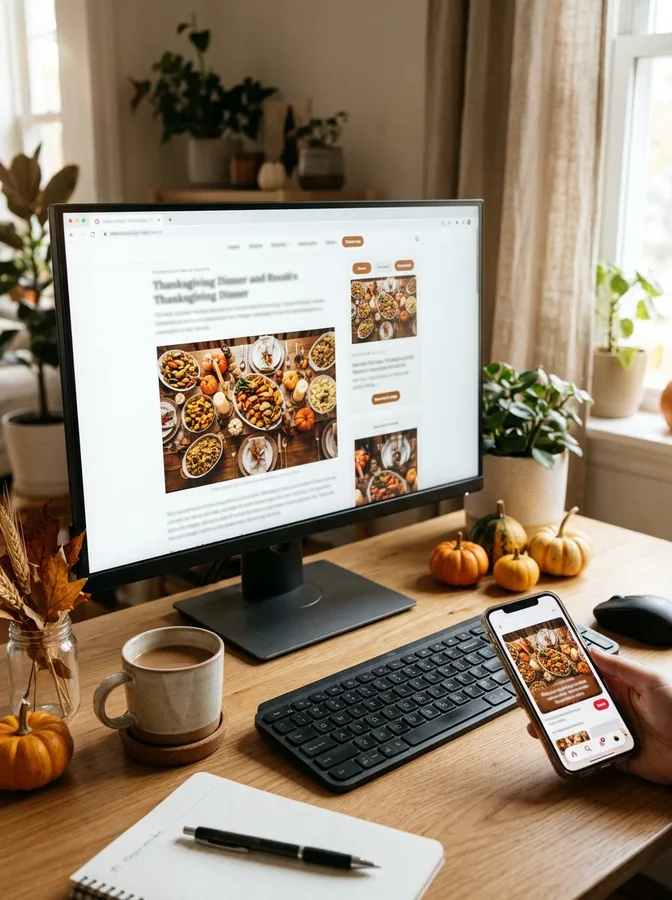
Your pin headline should tell people exactly what they will discover after clicking. Generic phrases such as Holiday Inspiration or Beautiful Seasonal Ideas may look attractive, but they don’t communicate a specific benefit. Instead, use descriptive headlines such as 15 Cozy Christmas Living Room Ideas or Easy Thanksgiving Appetizers for a Crowd. Numbers, useful adjectives, and clear topics help readers understand the value of your content. Think about what someone wants to accomplish during that particular season. They might be looking for affordable decorations, quick recipes, simple crafts, or practical organization solutions. Incorporate that benefit into your headline. A strong headline creates a connection between the viewer’s search intent and the information available on your blog.

4. Choose Seasonal Colors That Match the Occasion
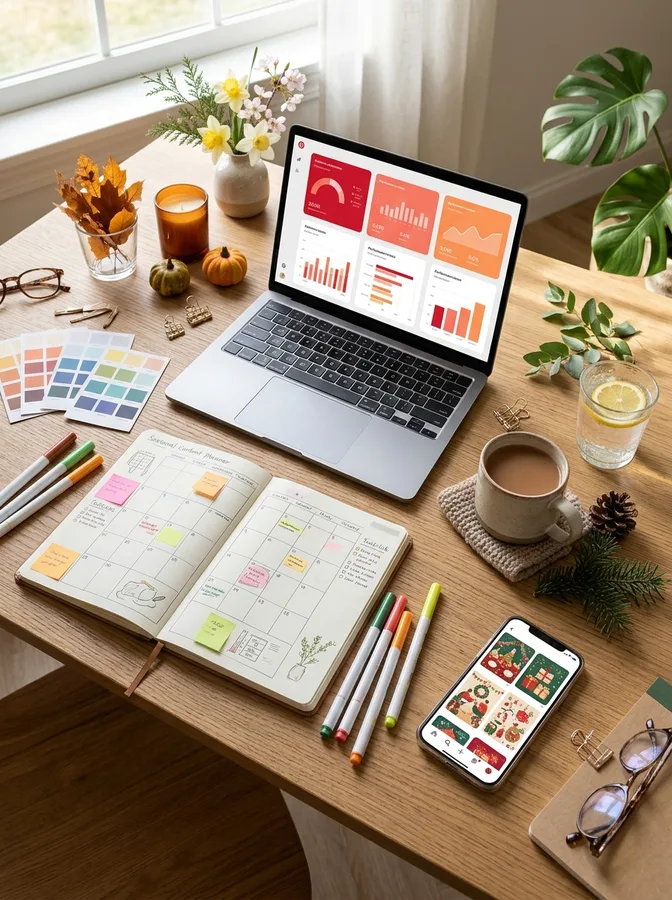
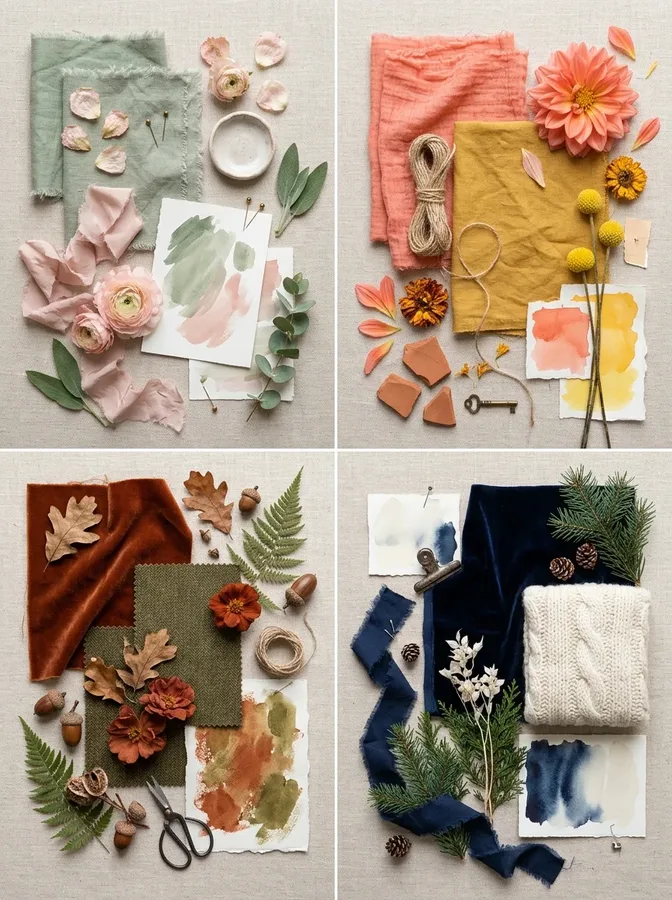
Color is one of the quickest ways to communicate a seasonal theme. Warm oranges, earthy browns, and muted greens work beautifully for autumn content, while icy blues, soft whites, and deep reds can create a winter holiday atmosphere. Spring graphics often benefit from pastel pinks, sage greens, and fresh yellows, whereas summer designs can feature sunny colors and refreshing coastal tones. However, you don’t need to follow traditional seasonal palettes every time. A sophisticated neutral design can perform well when it matches your blog’s aesthetic and the subject of the pin. Choose two or three complementary colors and use them consistently. The result will feel intentional, recognizable, and visually appealing without overwhelming your audience.
5. Use High-Quality Photographs That Create an Emotional Connection
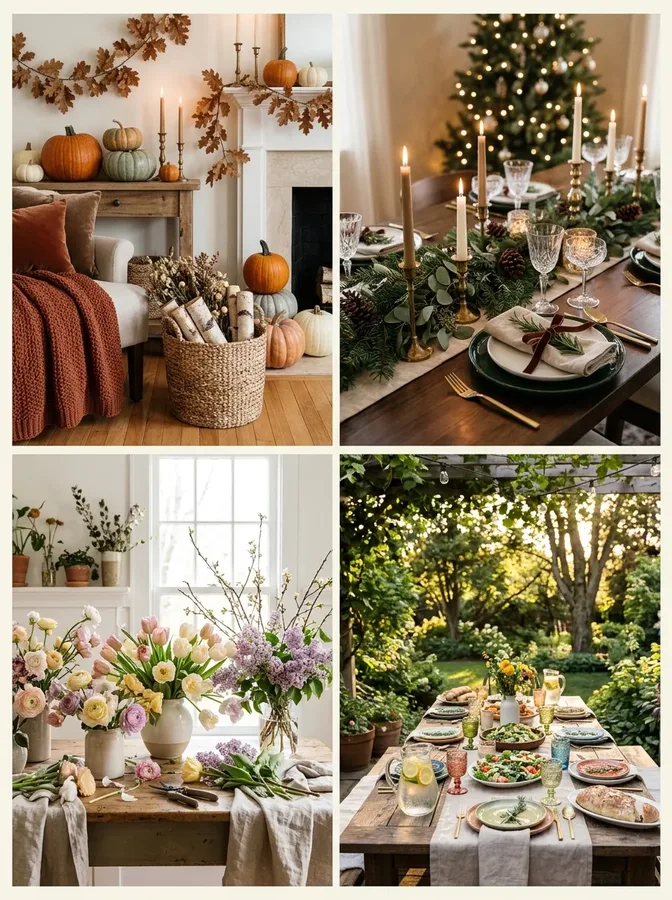
Beautiful photography helps seasonal pins capture attention and communicate the experience behind an idea. A photograph of a warmly lit Christmas living room, a colorful spring flower arrangement, or a beautifully prepared Thanksgiving table can make viewers imagine enjoying that experience themselves. Choose clear, well-lit images that showcase the main subject without unnecessary distractions. Natural lighting, thoughtful styling, and attractive compositions can make even simple seasonal ideas look inviting. When possible, use original photographs from your blog because they help establish a recognizable visual identity. If you use licensed stock photography, select images that accurately represent the content people will find after clicking. A visual promise that matches the destination encourages trust and more meaningful engagement.
6. Make Your Pin Text Easy to Read
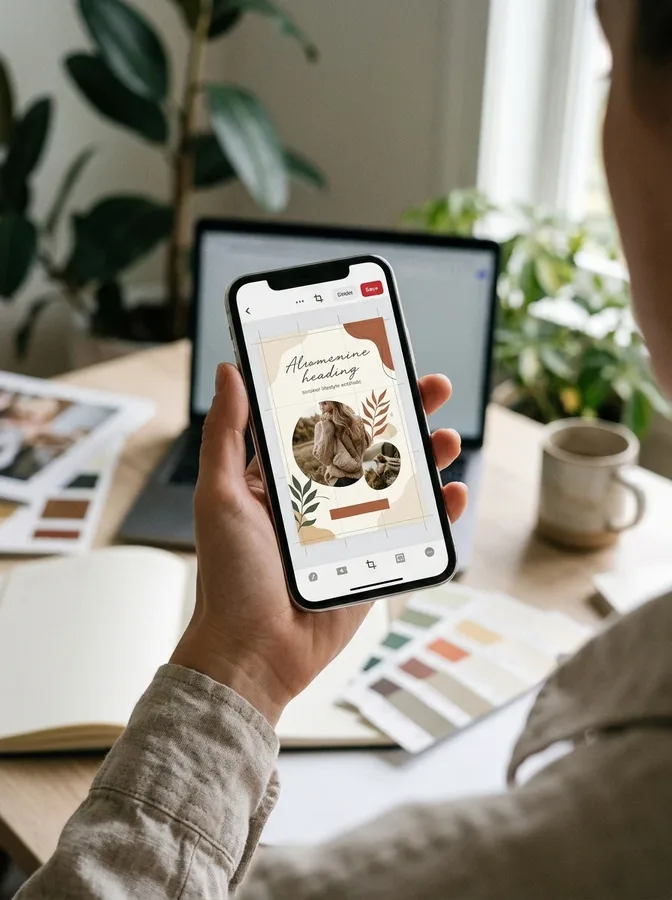
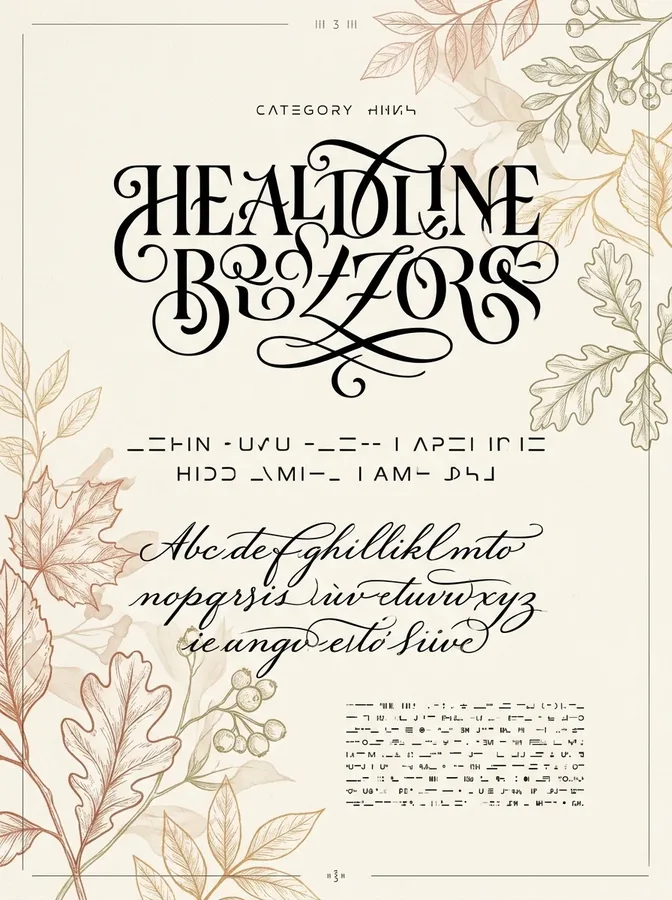
Even the most beautiful Pinterest graphic can lose potential clicks if its headline is difficult to read. Choose fonts that remain clear when viewed on a small mobile screen. Decorative scripts can add personality to holiday or lifestyle graphics, but they should be reserved for short accent words rather than entire headlines. Pair a distinctive display font with a simple sans-serif font for supporting text. Make sure the text contrasts sufficiently with the background, especially when placing words over photographs. Avoid overcrowding your design with too many phrases, decorative elements, or unnecessary details. Ideally, someone should understand the main topic within a few seconds. Clear typography improves the viewing experience and makes your seasonal content easier to discover.
7. Incorporate Relevant Seasonal Keywords Naturally
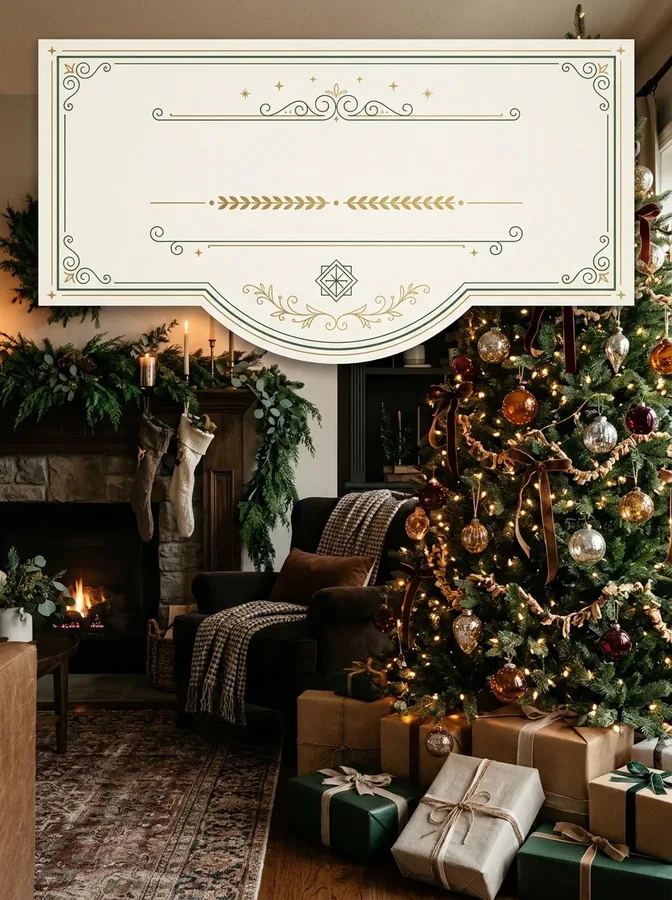
Keywords help Pinterest understand what your pin is about and connect it with relevant searches. Include your primary seasonal phrase in the headline and, where appropriate, use related terms in the pin description and destination content. For example, a graphic about autumn decorating might naturally incorporate phrases such as fall home decor, cozy autumn living room, and seasonal decorating ideas. Avoid adding unrelated keywords simply because they appear popular. Every phrase should accurately describe the content. Think about the different ways people might search for the same subject, including specific materials, styles, occasions, and intended uses. A focused keyword strategy helps your pin reach an audience that is genuinely interested in visiting the linked article.
8. Create Multiple Pin Designs for One Blog Post
One seasonal blog post can provide inspiration for several different Pinterest graphics. Rather than repeatedly publishing the same design, create multiple versions that highlight different benefits, images, and headlines. For an article about Christmas decorating, you might design one pin featuring a festive mantel, another highlighting budget-friendly ideas, and a third showcasing cozy living room inspiration. Each graphic can appeal to a slightly different search intent while directing visitors to the same relevant article. Make sure every version offers a distinct visual presentation instead of making nearly identical copies. This approach helps you test which combinations attract attention and gives your seasonal content additional opportunities to reach new audiences over time.

9. Design Pins That Communicate a Specific Solution
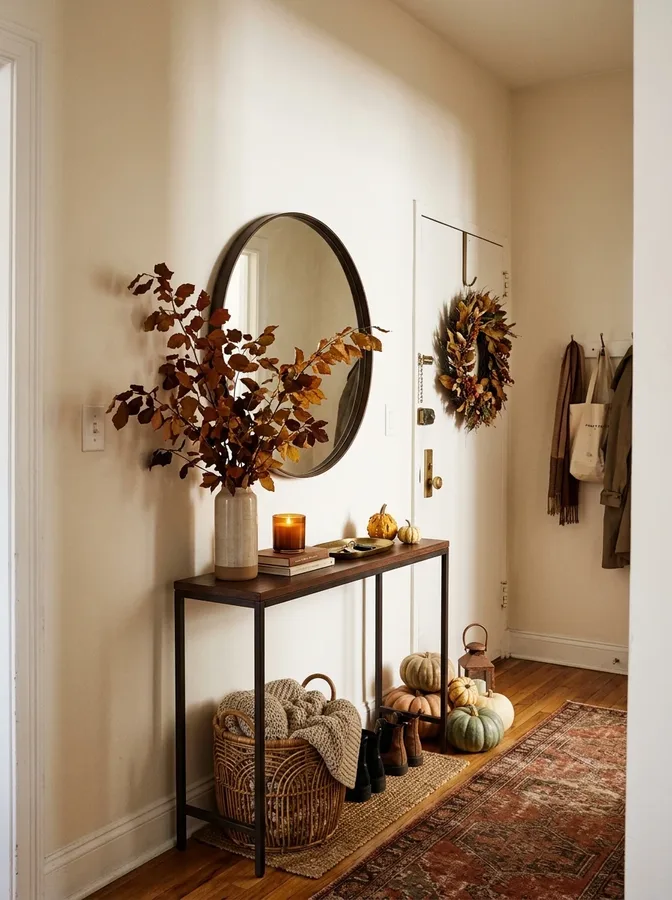
People often visit Pinterest because they need inspiration or want to solve a practical problem. Your seasonal graphics should make that solution obvious. Instead of using a vague headline such as Fall Inspiration, consider something more specific, such as Small Entryway Decorating Ideas for Fall. Similarly, a pin about winter meals could highlight quick weeknight dinners, affordable ingredients, or comforting family recipes. Specific messaging helps users decide whether the linked content is relevant to their needs. It also creates a stronger reason to click because the viewer knows what kind of information to expect. Before finalizing a graphic, ask yourself whether someone unfamiliar with your blog could immediately understand the problem or interest that the pin addresses.
10. Use Seasonal Collages to Showcase More Ideas
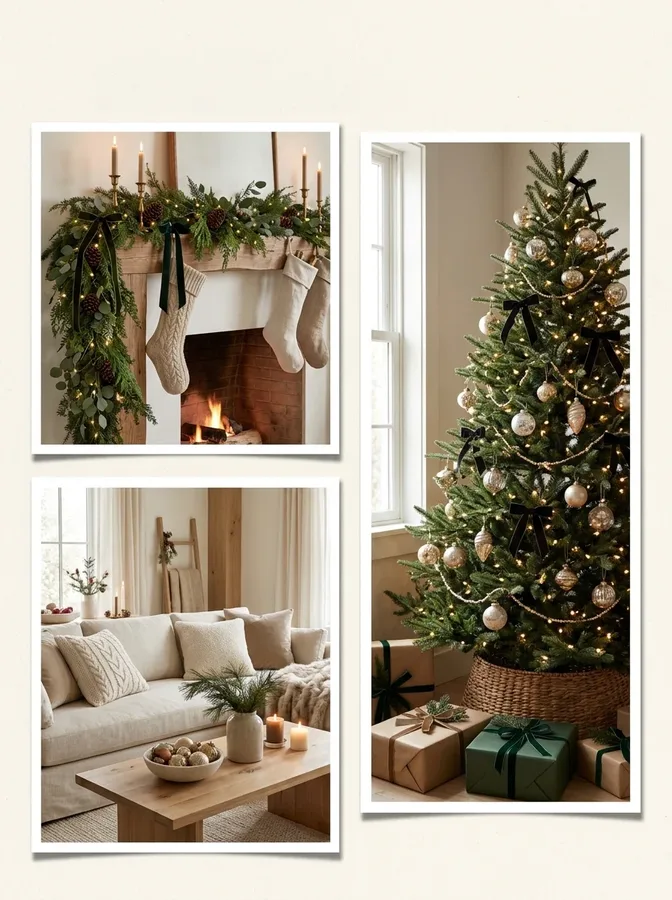
Collage-style Pinterest graphics are useful when your article contains several visual examples. They allow viewers to preview different ideas within one attractive composition. For example, a Christmas bedroom decorating pin could feature a festive bed, cozy lighting, seasonal pillows, and a decorated bedside table. A spring fashion article might showcase several outfit combinations in a coordinated collage. Choose images that complement one another and maintain enough spacing to prevent the layout from looking crowded. Include a clear headline that explains the overall topic rather than trying to label every individual photograph. Collages are especially helpful for list-based blog posts because they communicate variety and give readers an immediate sense of the inspiration available in the full article.

11. Add Your Website Branding Consistently
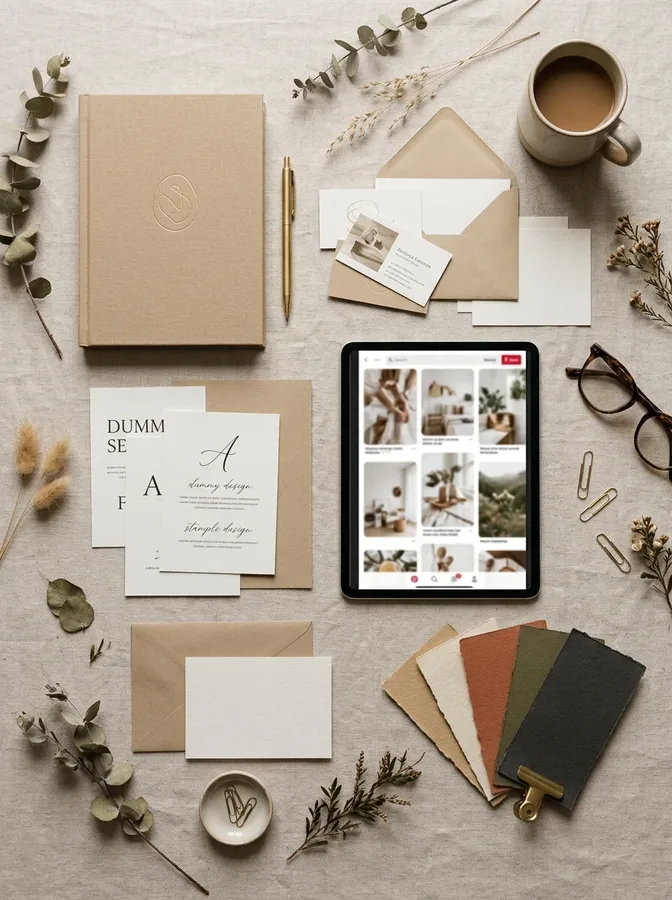
Consistent branding makes your seasonal pins easier to recognize when they appear repeatedly in Pinterest search results and feeds. Include a small website name, logo, or recognizable brand element in a consistent location. You can also establish a visual identity through recurring font combinations, background colors, and photography styles. The goal is to create familiarity without making the design feel like an advertisement. Keep branding subtle enough that the main headline and seasonal photograph remain the focus. When someone saves your graphic and discovers it again later, recognizable design elements can help them associate the content with your website. Strong visual consistency also makes it easier to produce multiple seasonal designs without starting from scratch each time.
12. Design Holiday Pins Several Weeks in Advance
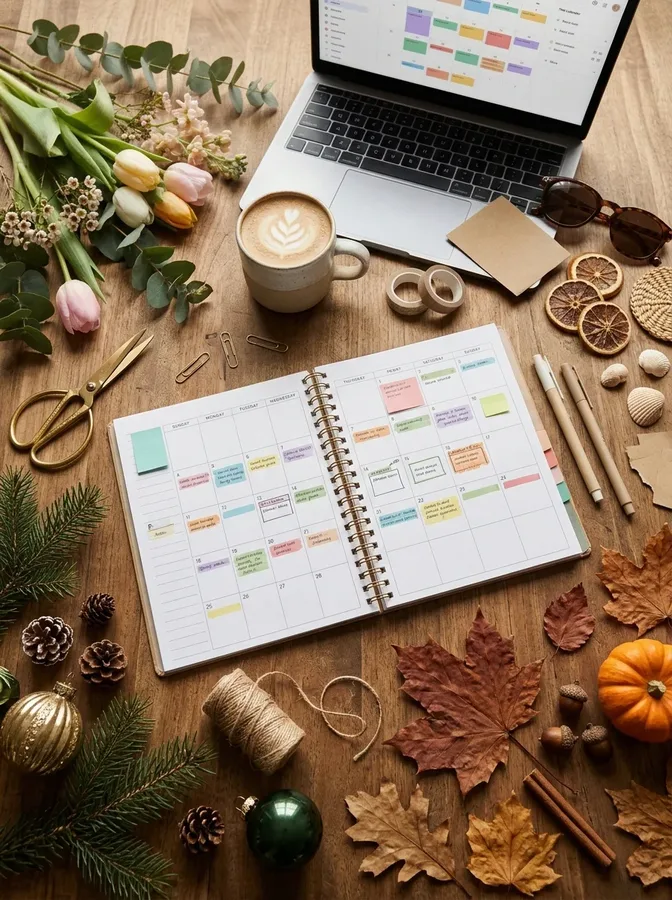
Seasonal Pinterest marketing works best when you plan ahead instead of waiting until an occasion is already approaching. People frequently search for inspiration before they begin decorating, shopping, preparing recipes, or organizing celebrations. Create your holiday graphics early enough to publish them before the main seasonal demand arrives. For example, begin preparing autumn content during summer and develop Christmas graphics well before December. Your exact publishing schedule should reflect your niche, audience behavior, and available Pinterest Trends data. Planning ahead also gives you time to create multiple versions, optimize descriptions, and prepare relevant destination pages. An organized seasonal content calendar prevents last-minute design work and gives your pins more time to gain visibility.
13. Highlight Budget-Friendly Seasonal Ideas
Affordable inspiration appeals to readers who want beautiful seasonal results without spending too much money. Budget-focused headlines can make your pins especially relevant when people are planning holidays, updating their homes, or preparing seasonal celebrations. Consider phrases such as Affordable Christmas Decorations, Easy DIY Fall Decor, or Budget-Friendly Summer Party Ideas. Your graphic should communicate the savings angle through both its headline and imagery. Showcase simple materials, practical arrangements, or attractive DIY results rather than relying entirely on expensive-looking styling. Make sure the linked article genuinely includes helpful low-cost suggestions so the promise matches the destination. By combining seasonal relevance with financial practicality, you can reach people looking for inspiration that fits their budgets.
14. Use Before-and-After Visuals When They Add Value
Before-and-after designs can make seasonal transformation content particularly appealing. They work well for topics such as spring cleaning, holiday table styling, outdoor decorating, pantry organization, and seasonal room makeovers. A side-by-side layout immediately communicates the change and encourages viewers to discover how it was achieved. Choose photographs with similar angles and lighting so the comparison feels believable and easy to understand. Keep the headline focused on the transformation, such as From Ordinary to Cozy: A Winter Living Room Makeover. Avoid exaggerated results that misrepresent the actual project. When a transformation is genuinely useful and visually clear, this format can create curiosity while showing readers the practical value of clicking through to the complete tutorial.
15. Match Every Pin to a Relevant Landing Page
A compelling design can attract clicks, but the linked destination determines whether visitors find what they expected. Always connect each seasonal pin to the most relevant blog post rather than sending every graphic to your homepage. If your pin promises easy Thanksgiving side dishes, the destination should provide those recipes and useful instructions. Make sure the article loads properly on mobile devices, includes the information highlighted in the graphic, and offers a pleasant reading experience. Avoid misleading headlines or photographs that suggest something the article doesn’t contain. A strong relationship between the pin and its landing page builds audience trust and creates a better experience for visitors. Relevant destinations also make your Pinterest strategy more valuable beyond the initial click.
16. Experiment With Minimalist Seasonal Pin Designs
Not every seasonal graphic needs multiple photographs, elaborate borders, or decorative illustrations. Minimalist Pinterest pins can stand out by using a single attractive image, a simple headline, and plenty of negative space. This approach works particularly well for elegant home decor, seasonal fashion, wellness content, and lifestyle inspiration. Choose one dominant photograph and allow it to communicate the atmosphere of the season. Add a short headline in a readable font and use a restrained color palette that complements the image. Minimalist designs are also relatively easy to reproduce across different seasonal campaigns, helping you maintain a consistent visual identity. The key is to make every element purposeful so the finished graphic feels polished rather than unfinished.
17. Create Pins for Different Seasonal Audiences
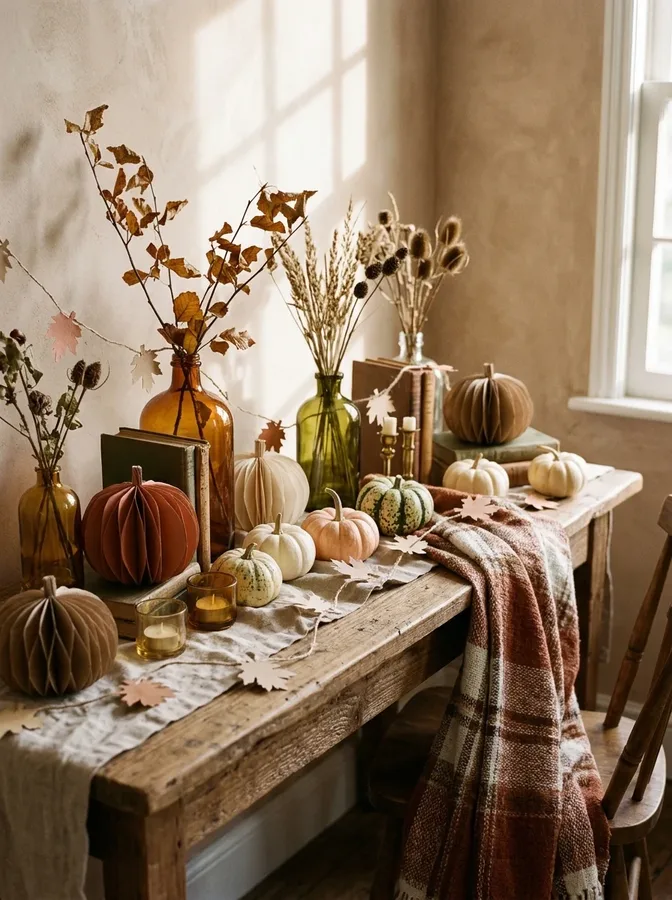
People searching for seasonal inspiration have different interests, budgets, lifestyles, and experience levels. A single topic can often be presented through several audience-focused angles. For example, a Christmas decorating article could inspire pins for small apartments, farmhouse homes, minimalist interiors, or budget-conscious families. A summer recipe post might appeal to busy parents, beginner cooks, or people planning outdoor gatherings. Think about who would benefit most from each article and adjust your headline and photography accordingly. Avoid changing the actual promise of the content just to attract a broader audience. Instead, highlight the sections and solutions that matter most to each group. Audience-focused graphics make your pins feel more relevant and encourage qualified visitors to explore your website.

18. Test Different Headlines and Visual Combinations
Successful Pinterest marketing involves experimenting rather than assuming that one design will work for every audience. Create different versions of a seasonal pin and test variations in headline wording, image selection, color combinations, and text placement. One version might emphasize a number of ideas, while another highlights a specific benefit or style. Keep your experiments organized so you can understand which changes may have influenced performance. Pinterest Analytics can help you evaluate impressions, saves, and outbound clicks. Pay particular attention to outbound click performance because your goal is to bring readers to your website. Avoid drawing conclusions from very limited data. Over time, these experiments can reveal which visual and messaging approaches work best for your seasonal content.
19. Refresh Older Seasonal Content With New Pin Designs
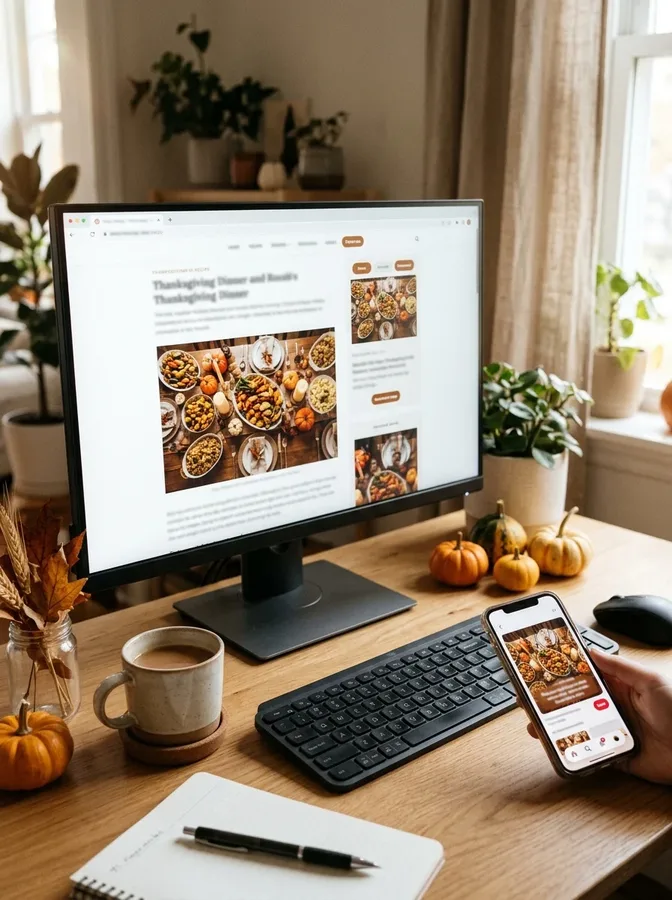
Your seasonal content library can become a valuable source of Pinterest traffic long after an article is first published. Instead of creating entirely new posts for every holiday, review existing articles and identify opportunities to give them fresh visual presentations. An older fall decorating guide might benefit from an updated headline, new photography, or a different design style. Check that the article still contains accurate information, working links, and relevant recommendations before promoting it again. Create genuinely distinct graphics that emphasize different aspects of the same useful content. This strategy helps you make better use of your existing articles and reduces the pressure to publish new material constantly. It can also bring renewed attention to valuable posts that your newer readers have never discovered.

20. Monitor Seasonal Performance and Improve Your Strategy
Creating seasonal Pinterest pins is only one part of a successful traffic strategy. Regularly review your analytics to understand which graphics attract impressions, generate saves, and produce outbound clicks. A pin with many impressions but few clicks may need a clearer headline or a stronger reason to visit your website. If a particular color palette, topic, or headline format performs well, consider testing similar approaches in future seasonal campaigns. Also examine whether visitors are engaging with the linked articles after arriving. Use your findings to improve both your graphics and the destination content. Seasonal interests change every year, so reviewing performance regularly helps you adapt your strategy rather than relying on outdated assumptions.

Final Thoughts
Creating Pinterest pins that attract more seasonal clicks is about combining beautiful design with thoughtful content strategy. From researching seasonal keywords and choosing compelling headlines to experimenting with different layouts and linking to relevant articles, every detail contributes to the overall experience. The most effective pins communicate a clear benefit, reflect what people are searching for, and give viewers a genuine reason to visit your website. Start with a few of these strategies, test different approaches, and use your analytics to understand what resonates with your audience. With consistent planning and creative experimentation, your seasonal Pinterest content can become a reliable source of inspiration, engagement, and blog traffic throughout the year.
Leave a Reply